




The complete guide
How to Choose a Talalay Latex Pillow, and Why a Matched Queen Pair Makes Sense
The problem with the pillow you have now
Most people do not choose a pillow. They inherit one. It came with a bed set, or a relative bought it, or it was the cheapest acceptable option in a shop one afternoon. Then it stays on the bed for years, slowly getting flatter, until the morning neck ache feels normal and nobody connects the two things.
Here is what actually happens. Polyester fiber fill is made of loose strands that pack tighter every time your head presses down. After six months they no longer spring back. Feather and down shift sideways, which is why you end up punching the pillow into shape at two in the morning. Cheap foam softens as it warms up, so the pillow that felt supportive when you lay down has given up by three.
The result is the same in every case. Your head drops lower than it should, your neck bends at an angle it was not meant to hold for eight hours, and the muscles along the side of your neck spend the night under tension. You wake up stiff and blame the mattress.
A latex core does not behave this way, and that is basically the whole argument for it.
How a latex pillow works
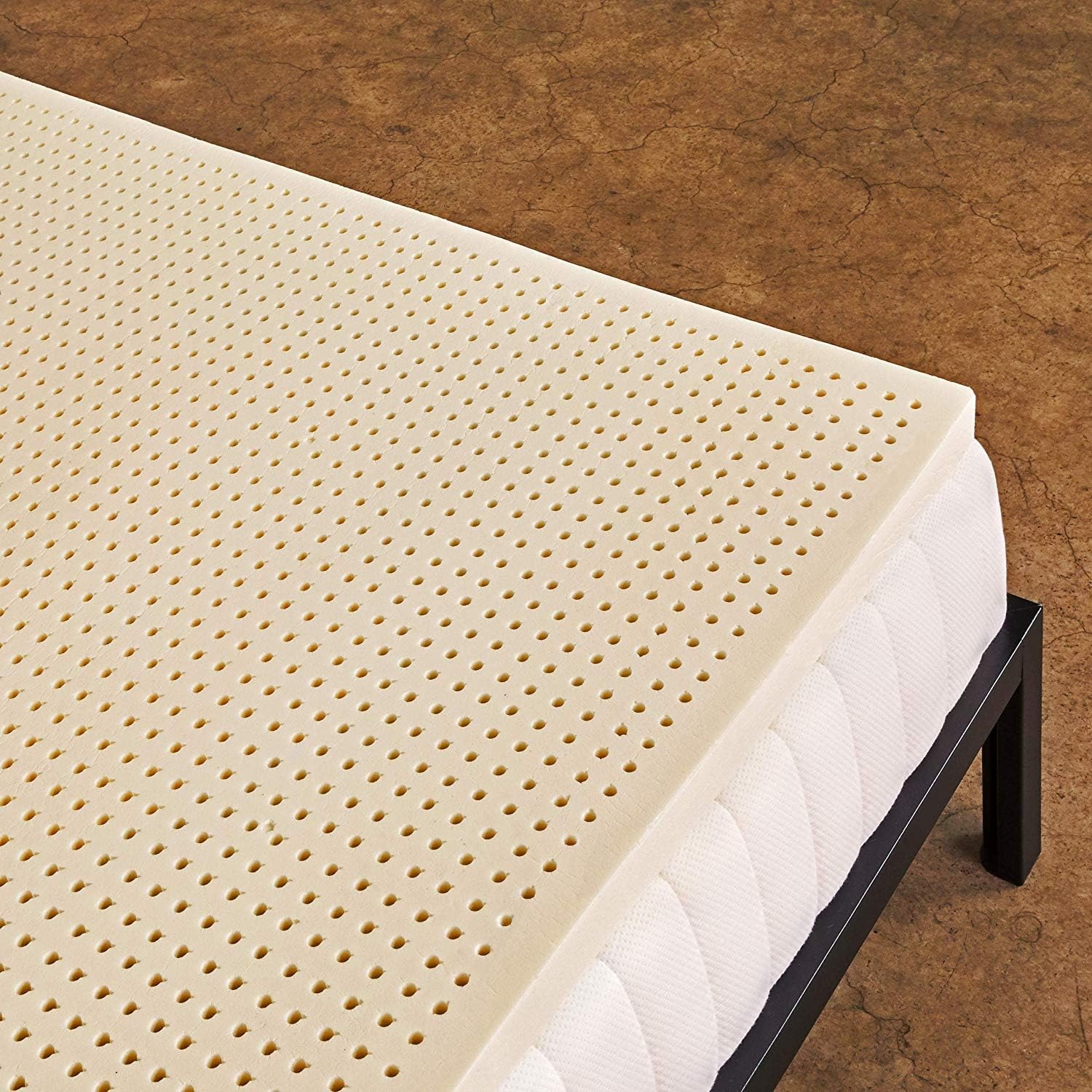
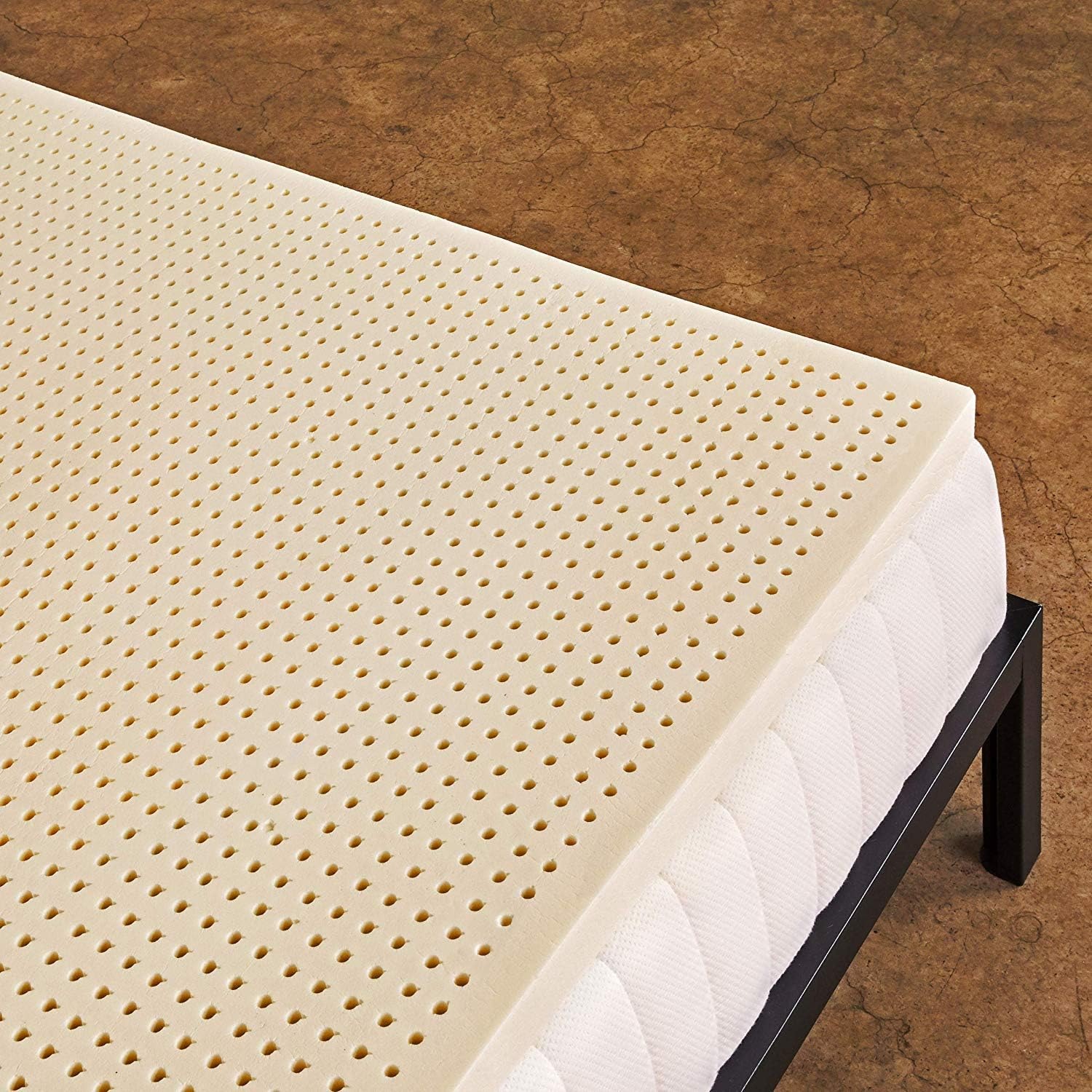
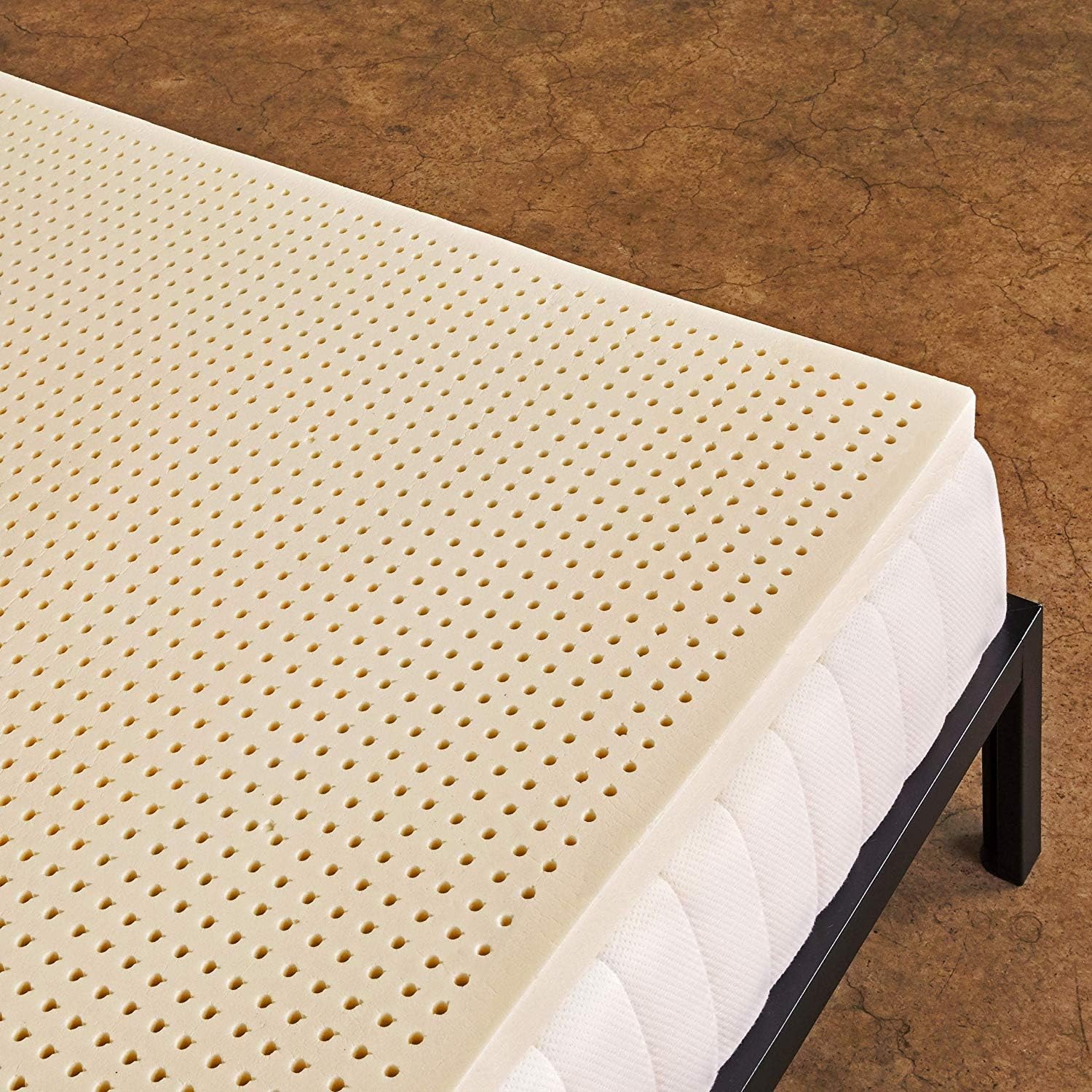
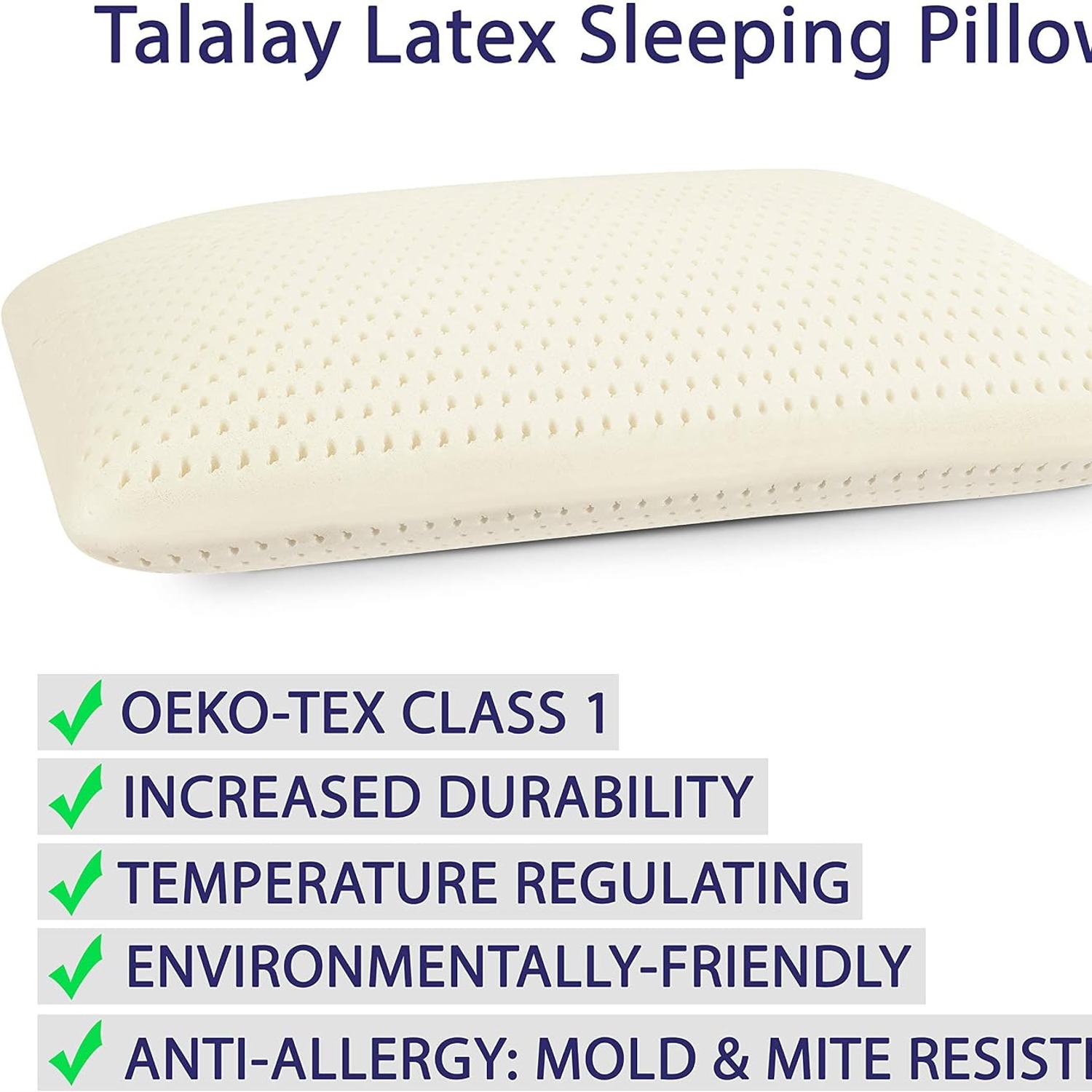
Latex foam starts as liquid rubber that gets whipped and set into a foam block. What makes the talalay method notable is the consistency of the cells through the whole core. Rather than being dense in one area and loose in another, the material is even from edge to centre.
Two things follow from that structure. First, the support is steady. Press into it and it compresses, then pushes back at a predictable rate. It does not keep sinking the longer you lie there. Second, the cells are connected rather than sealed, so air can actually travel through the pillow. This pair uses that open cell structure, which is the reason latex has a reputation for sleeping cooler than memory foam.
Heat is worth dwelling on, because it is the complaint that drives most pillow returns. When you lie on a solid foam pillow, your body heat has nowhere to escape. It builds up in the few square inches under your cheek. You flip the pillow for the cool side, get twenty minutes, and flip again. Over a night that is four or five small wake-ups you probably do not remember but definitely feel the next day. A core that lets warm air move out instead of trapping it reduces how often that cycle repeats.
The density of latex is also what gives it staying power. These pillows weigh 4 pounds each, which is noticeably more than a fiber pillow of the same size. That weight is the material being substantial rather than airy, and it is why the shape survives nightly use.
Who this pair actually suits
Medium firmness is the middle of the range, and it covers more people than any other setting. If you are not sure where you sit, medium is the sensible default.
Side sleepers are the clearest fit. When you lie on your side, there is a gap between the edge of your shoulder and the side of your head. Your pillow has to fill that gap completely, or your neck bends downward all night. A soft pillow collapses and leaves the gap open. A medium firm latex core holds the height. If you have particularly broad shoulders, you may want something taller still, but most people are well served here.
Back sleepers do well too. The even support across the surface means your head is held in roughly neutral alignment instead of being tipped forward or dropped back. Some back sleepers find a medium pillow slightly tall for the first few nights, then stop noticing.
Stomach sleepers are the group who should think twice. Sleeping face down works best with almost no pillow at all, and a medium firm Queen pillow will probably push your head too high. Some stomach sleepers use one of these under the hips to take the arch out of the lower back and sleep with their head on something flatter. If you sleep on your stomach most nights, be honest with yourself about that before ordering.
Hot sleepers, people who are tired of fluffing, and anyone replacing a pillow more than once a year are all reasonable candidates. People with a diagnosed latex allergy should skip natural rubber products entirely.
Why the size matters
Each pillow here is 27.5 inches long by 15.7 inches wide. That is a Queen, not a Standard, and the difference is around two and a half inches of length.
It sounds trivial. It is not. If you move around during the night, and almost everyone does, a Standard pillow gives you less margin. You shift, your head finds the edge, and suddenly half your skull is resting on the mattress instead of the supportive core. The extra length buys you room to move without losing support.
The width also suits people who sleep with an arm tucked under the pillow or who like to pull the edge in toward their chest. More surface area means those habits do not push you off the useful part.
Queen pillowcases are the right match. A Standard case will fit over it but will squeeze the latex and change the shape. A King case will slip around.
Why buy two
Pillows bought separately age at different rates, and within a year you have a tall side and a short side of the bed. Swap sides for a night and you notice immediately.
A matched Queen dual pack solves that. Both pillows start identical and wear at the same rate. The made bed looks even. If you sleep alone and use two pillows, as a lot of side sleepers do, having both at the same height is more comfortable than stacking mismatched ones.
There is a guest room angle as well. A matched pair of good pillows in a spare room is one of those small things visitors genuinely notice, and it saves you from the awkward routine of pulling the decent pillow off your own bed when someone stays over.
Looking after them
The rule is simple. The cover is washable, the core is not.
Pull the cotton cover off and launder it on a gentle warm or cool cycle. Dry it low or hang it. Cotton handles this well and the cover is designed to come off, so this should be a routine job rather than a project.
The latex core needs a different approach. Spot clean only, using a cloth that is barely damp and a small amount of mild soap. Press rather than rub, and do not soak the material. Let it air dry completely before the cover goes back on, because trapped moisture inside latex is the one thing that will shorten its life.
Keep the pillows out of direct sunlight. UV breaks down natural rubber over time, so drying them on a sunny washing line is a mistake even though it feels sensible. A shaded, airy spot indoors is better.
A pillow protector under your regular pillowcase is the single most useful habit. It catches oils, sweat, and hair product before they reach the cotton cover, which means the cover needs washing less often and the core stays clean for years.
Air them for an hour or two every few weeks with the bedding off. Rotate them end to end once a month so the wear spreads evenly.
Giving them time
New pillows feel wrong for a few nights. This catches people out and causes a lot of unnecessary returns.
Your neck has adapted to whatever you were sleeping on before, including the bad habits. Change the support height and the muscles have to reset. That can take anywhere from three nights to a full week. If the pillow felt promising on night one and odd on night three, that is normal and usually resolves.
If after a week your neck still hurts or you keep waking with your head at a strange angle, the firmness or height genuinely is not right for you, and that is a different problem worth solving.
One more practical note. If the pillows arrive compressed in their packaging, unwrap them and give them several hours to expand before judging anything. Compressed latex feels dense and small. Fully recovered latex feels completely different.
The short version
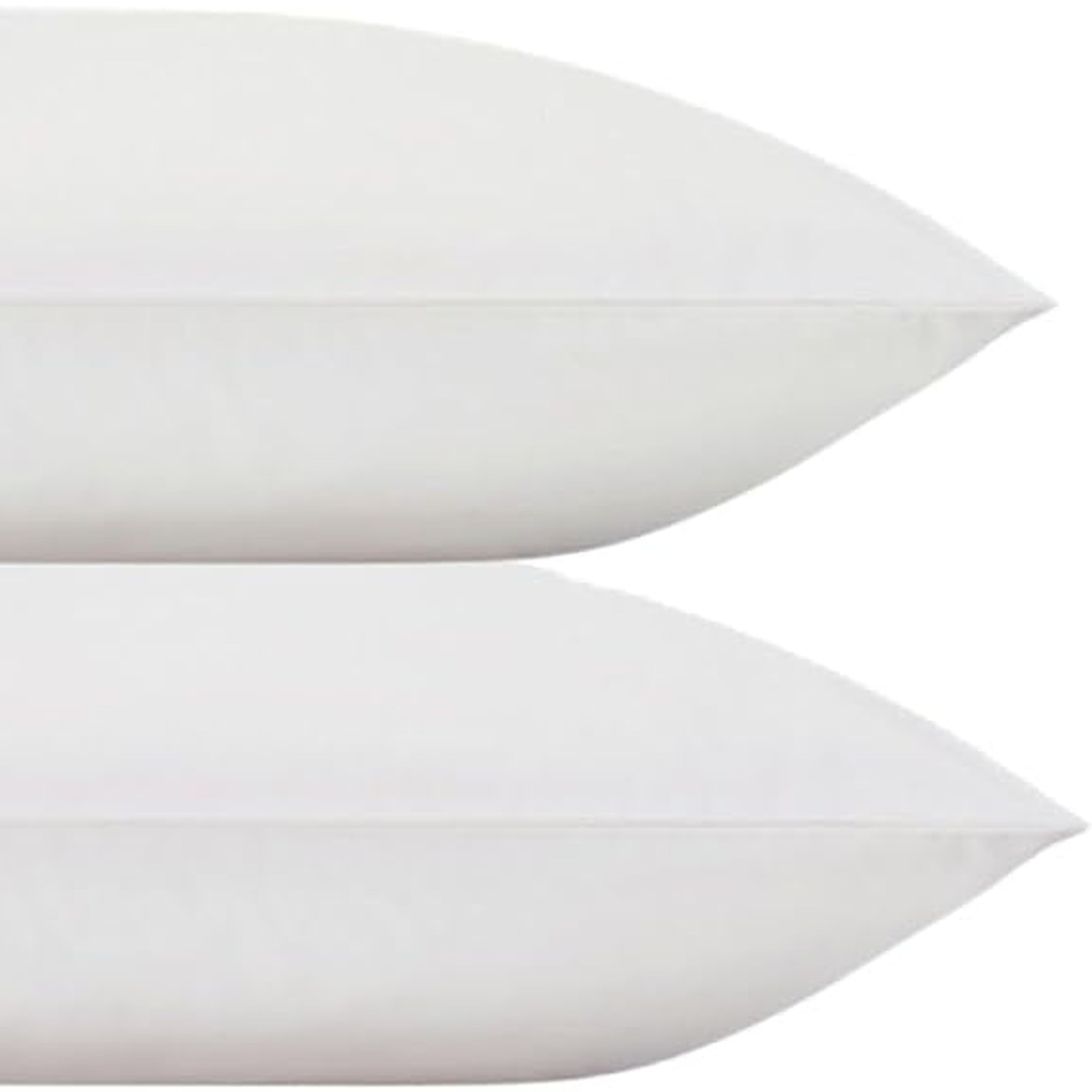
This is a pair of Queen latex pillows with a medium firmness, a rubber latex core with an open cell structure, and a removable cotton cover. Each measures 27.5 by 15.7 inches and weighs 4 pounds.
They suit side and back sleepers, hot sleepers, and anyone tired of replacing flattened pillows. They are not the right choice for dedicated stomach sleepers or anyone with a latex allergy.
Wash the cover, spot clean the core, keep them out of the sun, and give yourself a week to adjust. If the firmness turns out to be wrong for you, get in touch and we will sort out the next step.