
The complete guide
How to Choose a Latex Mattress Topper That Actually Fixes Your Bed
The problem nobody warns you about
Most people do not buy a mattress because it is too soft. They buy one because a salesperson, an internet comment, or an old back twinge convinced them that firm equals supportive. Then they sleep on it for six months and wake up with a sore shoulder on one side and a tender hip on the other, always the same two spots.
That is pressure, not a support problem. Your spine is probably fine. The surface under your widest points just is not giving enough, so your body weight concentrates in a small area and the blood flow there gets pinched. You turn over, it happens on the other side, and you spend the night rearranging yourself.
A soft latex mattress topper deals with that directly. It adds a layer at the exact place where the problem is, the top two inches, and leaves the support structure of your mattress untouched. That is a very different thing from replacing the whole bed.
How latex foam behaves
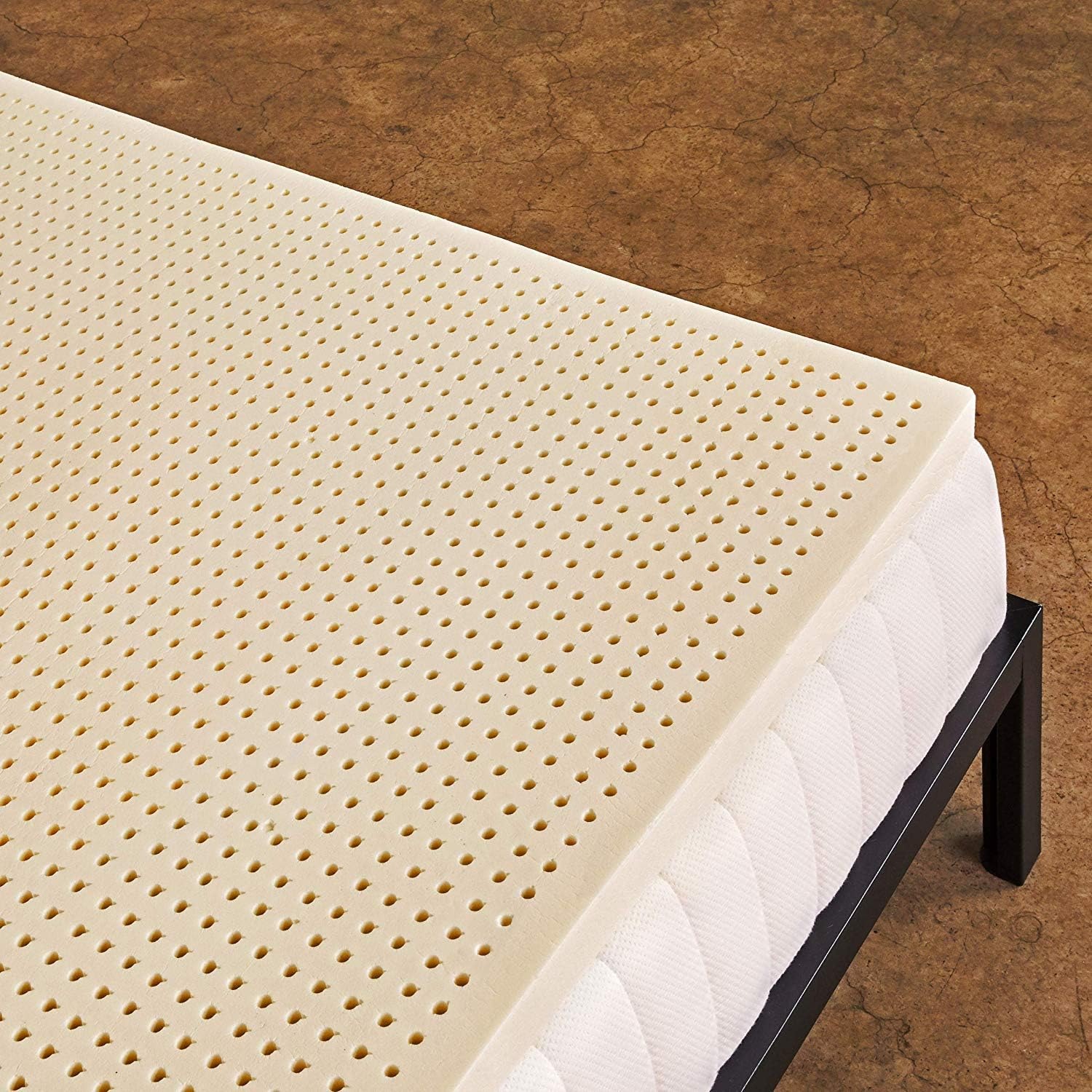
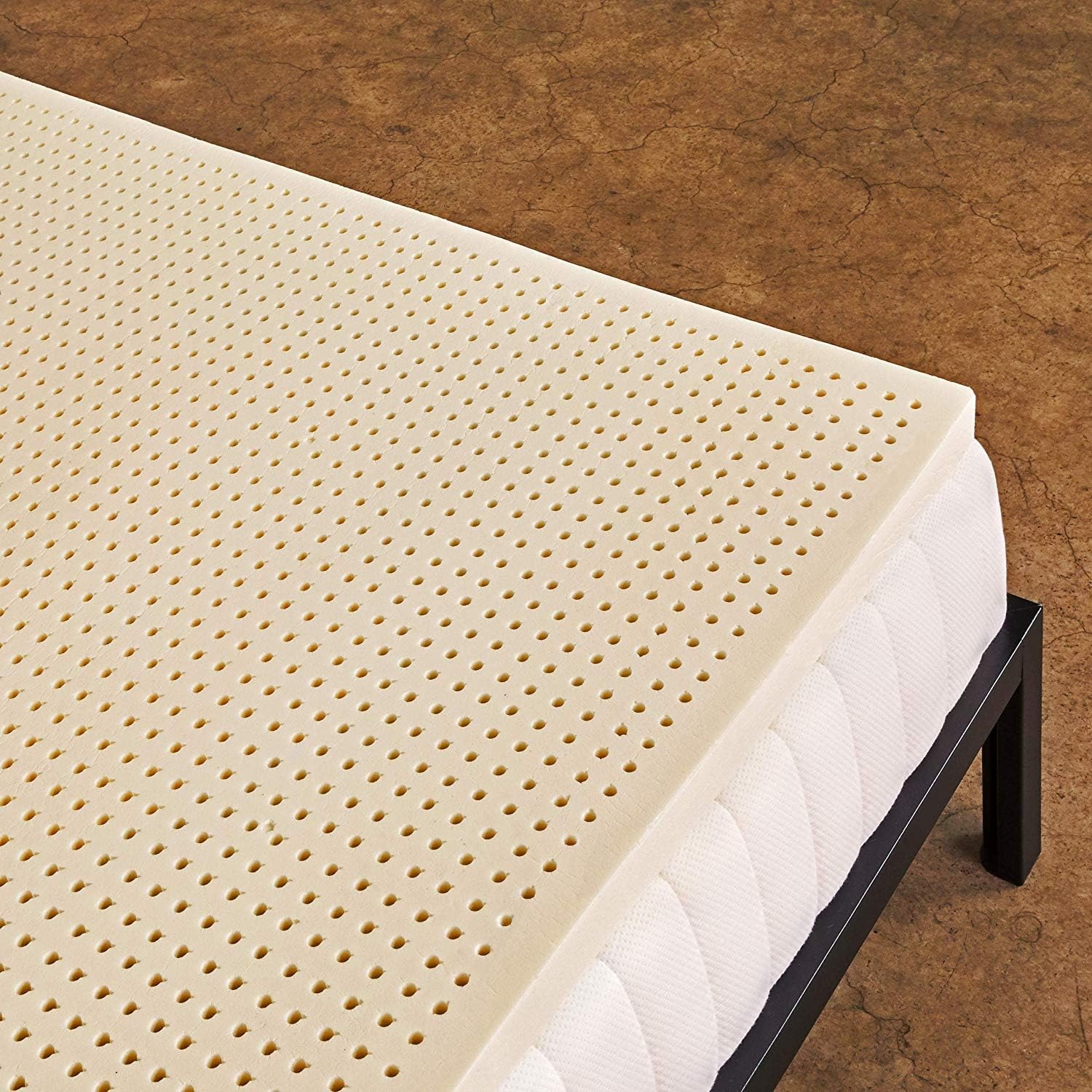
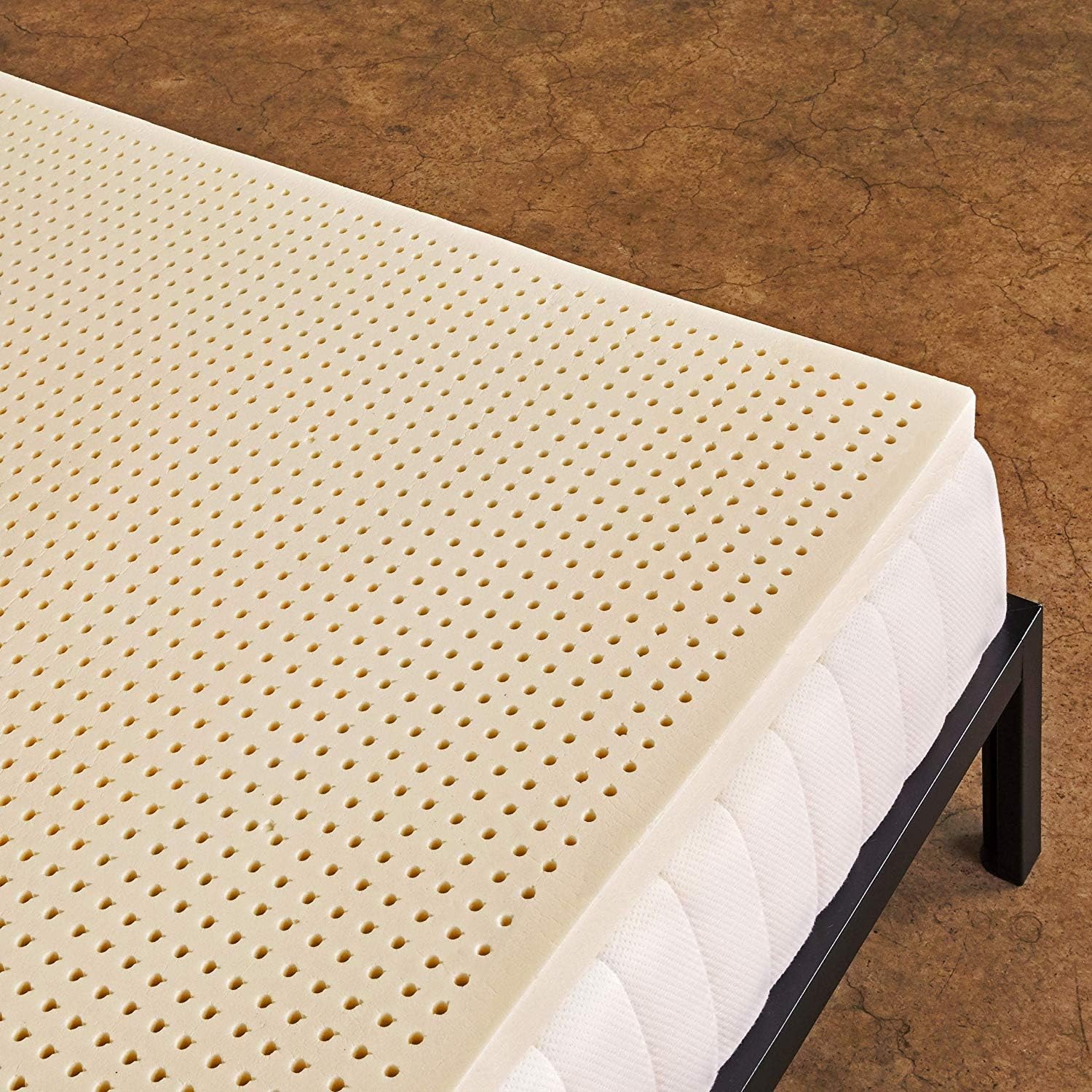
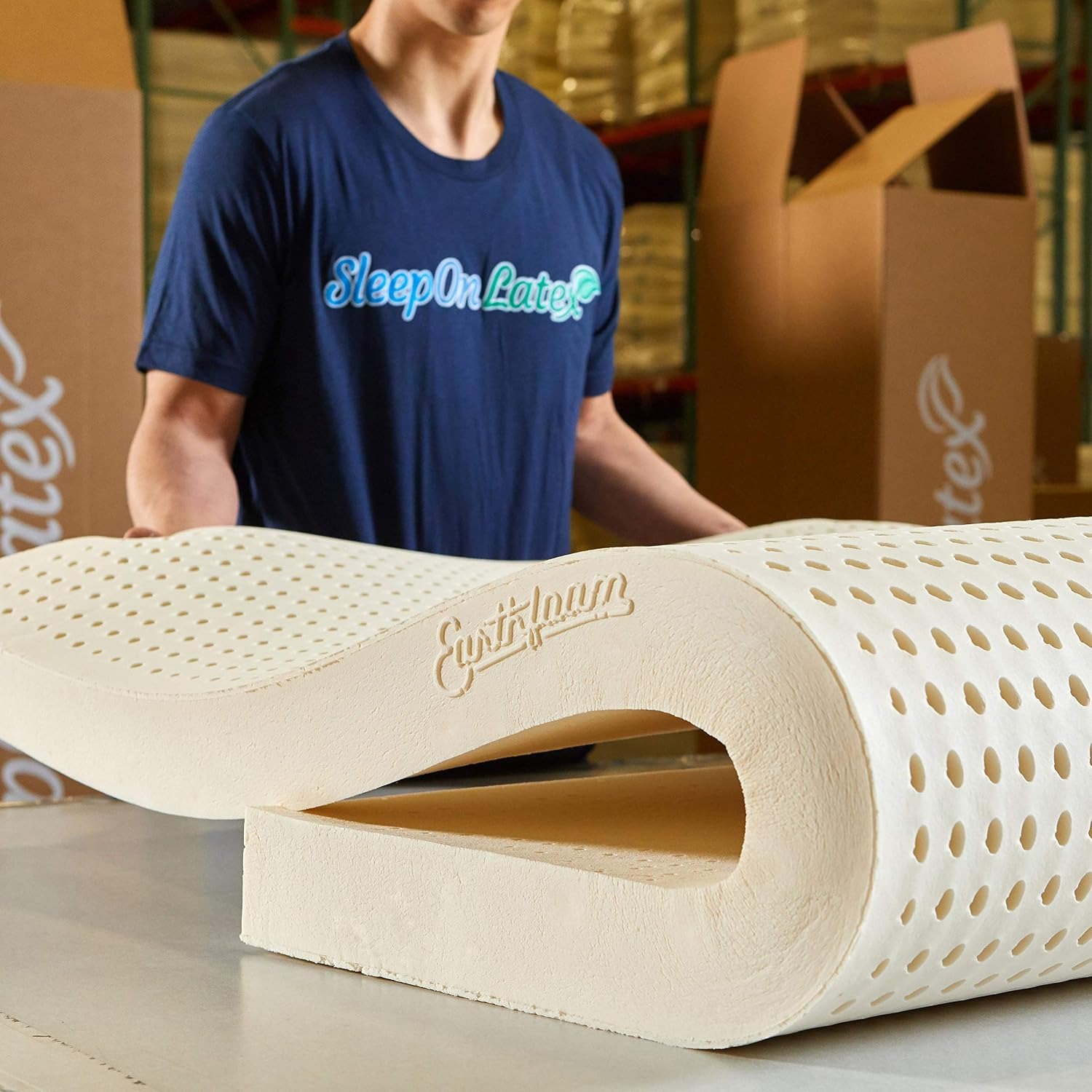
Latex is made from the sap of rubber trees. This topper uses natural latex, foamed and molded into a slab, and it is certified under GOLS organic and Fair For Life fair trade standards.
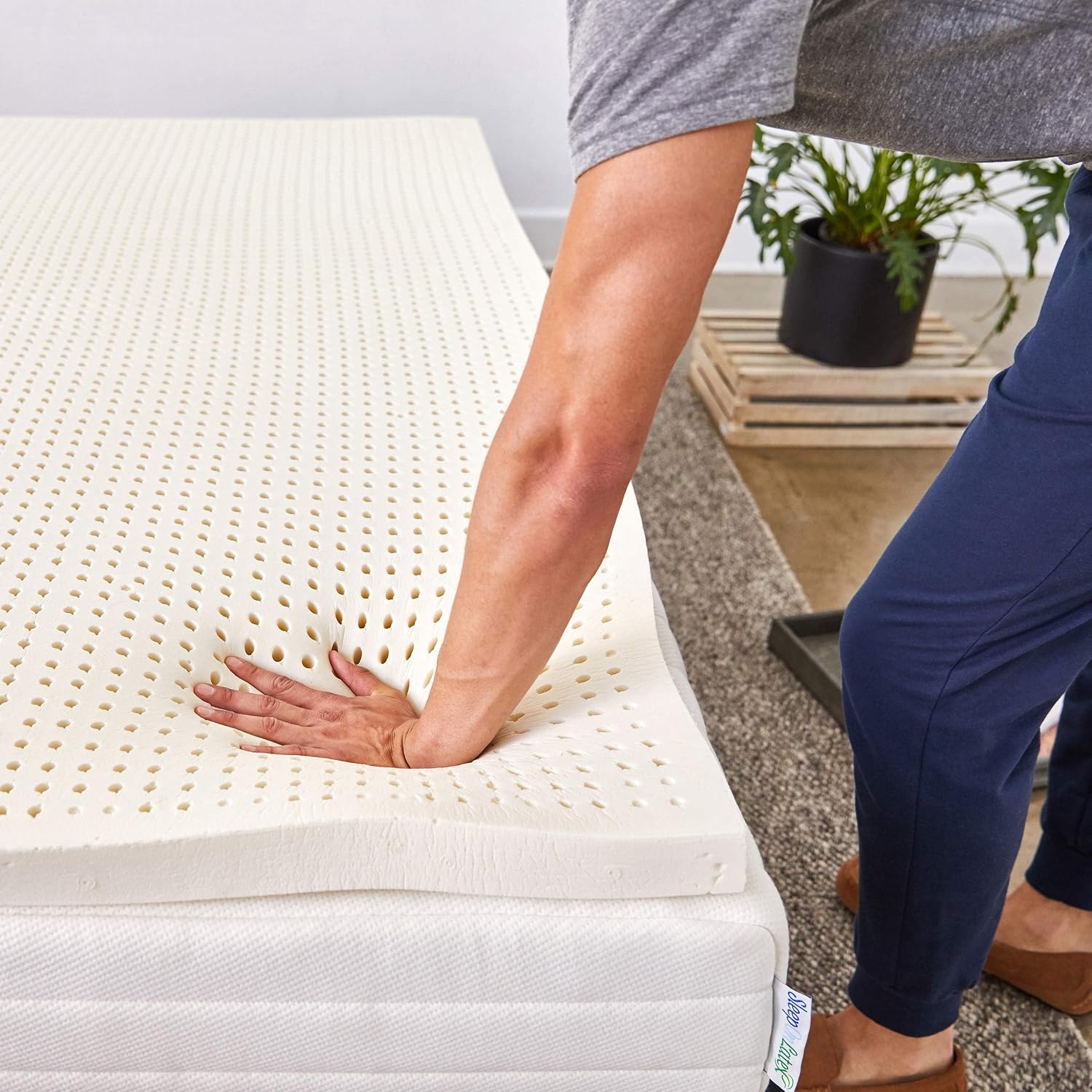
The thing that separates latex from other foams is how fast it responds. Press your hand into memory foam and it slowly accepts the shape, then slowly lets it go. Press into latex and it gives immediately, then pushes straight back when you lift off. On a bed, that means you get contouring without the slow-forming hollow.
This matters more than it sounds. If you move around at night, memory foam makes you climb out of a dent each time you shift. Latex just reshapes. People who are restless sleepers often notice the difference within a few nights.
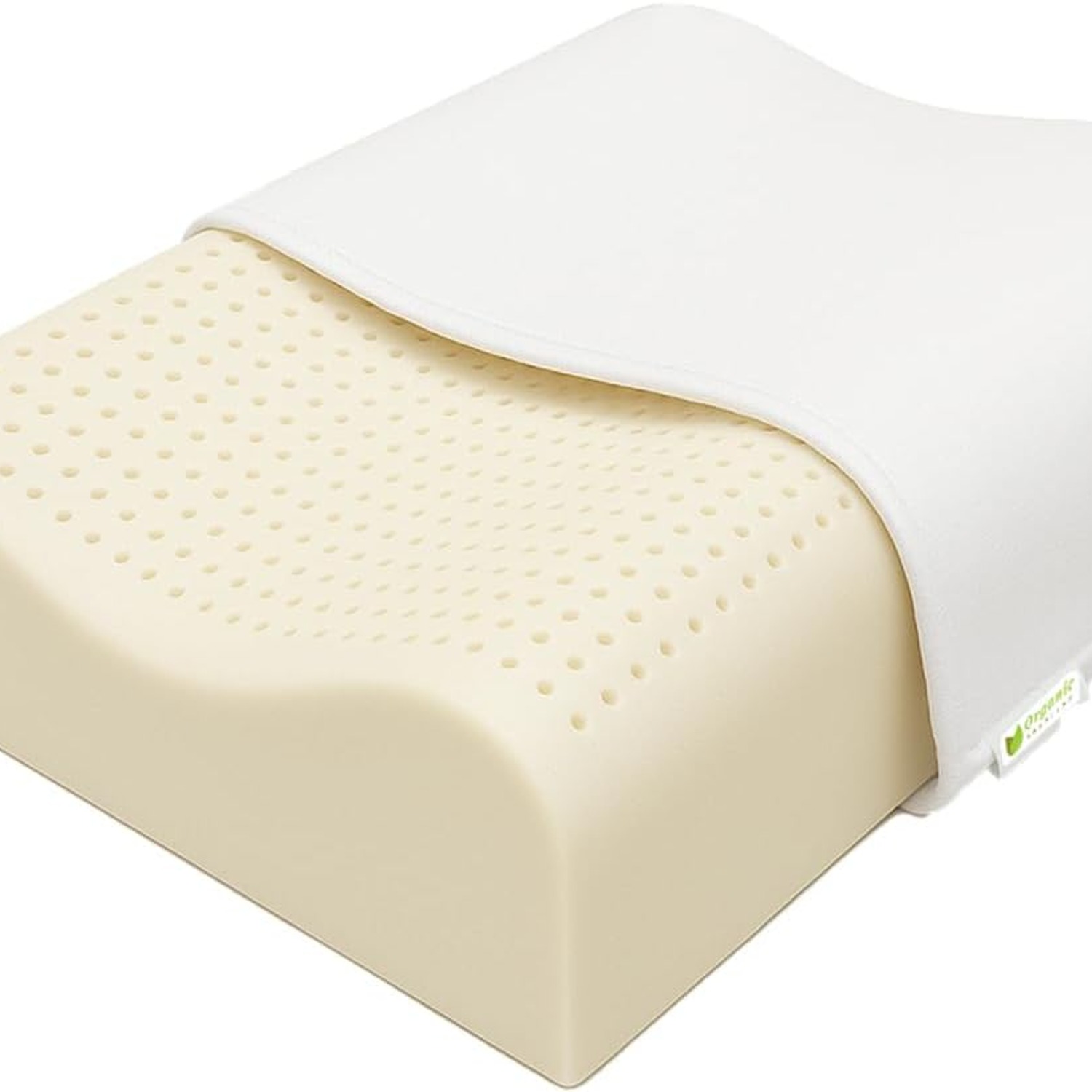
Latex is also an open cell foam, which means tiny connected air pockets run through the slab. Air moves through it instead of sitting still against your skin. A topper cannot turn a hot room into a cool one, but two inches of breathable latex between you and a heat-trapping mattress does act as a buffer. If your current bed has a thick memory foam comfort layer and you overheat on it, a latex layer on top changes that equation a lot.
Soft, medium or firm
Firmness names are confusing because they describe the topper, not the final result. A soft topper on a rock hard mattress does not make a soft bed. It makes a firm bed with a forgiving surface, which is usually exactly what people want.
Soft is the right choice when your mattress supports you properly but punishes your shoulder and hip. That is the classic side sleeper complaint. Soft gives at those points and still stops you from sinking through to the hard layer below.
Medium and firm versions exist in this range for different jobs. Medium suits back sleepers who want some cushioning but not much give. Firm is for people who want to add durable thickness or protect an older mattress surface rather than soften it. If you are hunting for the best mattress topper for hip pain or the best mattress topper for shoulder pain, soft is almost always where you start.
Why two inches
Thickness is the second decision and it is often the one people get wrong.
One inch is a tweak. It takes the edge off a surface, nothing more. People use it when their bed is nearly right and just a little too firm to the touch.
Two inches is the middle ground and the most popular choice. You feel a real difference lying down, but the mattress underneath still contributes. That balance is what you want when your bed is structurally sound and the complaint is purely about surface comfort.
Three inches more or less replaces the feel of your mattress. It is the right call for a bed that is genuinely too hard across the board, or an older mattress you want to extend the life of. The trade off is height, cost and weight.
For a queen bed where the frame and mattress are fine, two inches is the sensible default. It is also easier to live with day to day, since it does not push your mattress height past what normal sheets can handle.
Living with no cover
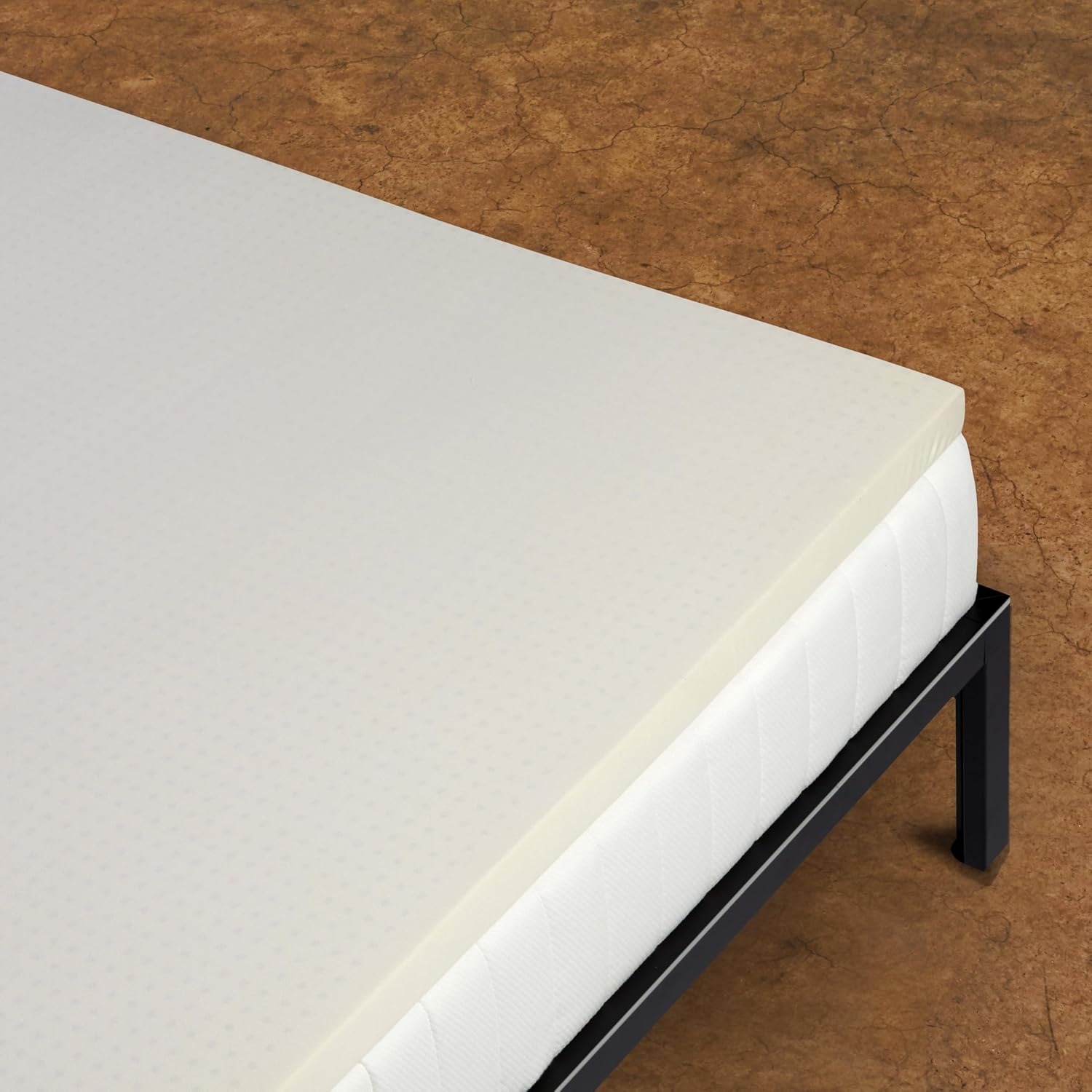
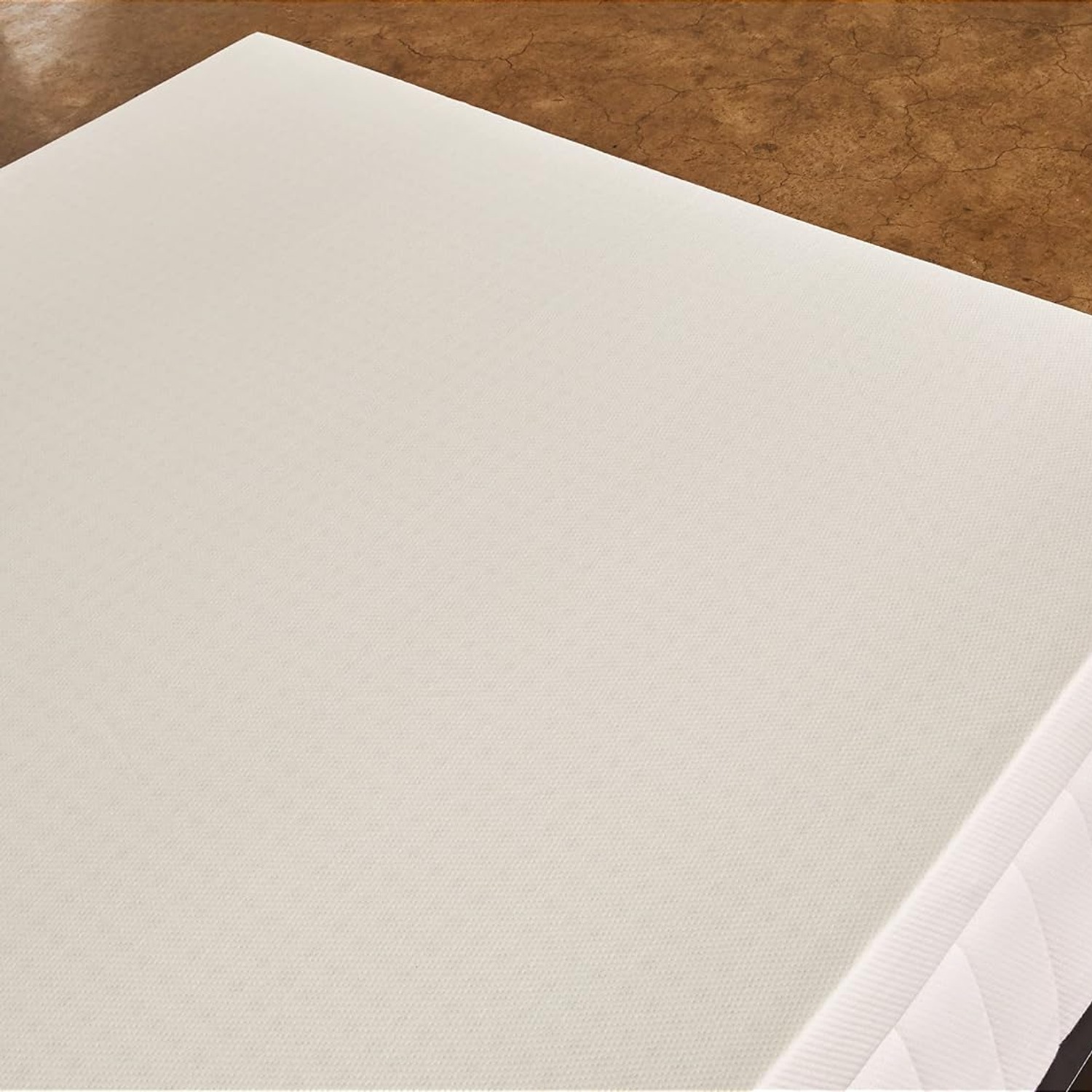
This topper ships as bare latex, with no cover included. That is deliberate, and it has pros and cons worth understanding before it arrives.
On the plus side, you feel the latex directly through your sheet, and you can pick whatever cover you like. Some people want quilted cotton, some want a thin stretch knit, some want a waterproof protector because there is a young child or an elderly parent in the bed.
On the minus side, bare latex needs protecting. The care instruction for this product is hand wash only, and it is not water resistant. That means you should never put it in a machine and you should never let a spill soak in. In practice, almost everyone uses either a washable topper cover or a deep pocket fitted sheet stretched over both the mattress and the topper together. The sheet also stops the topper sliding around, which is the other reason to use one.
Keep the topper out of direct sunlight too. UV light degrades latex over time, so a sunny bedroom with the curtains open on a bare topper is not ideal. Once it is dressed and made up, this is a non issue.
Who it suits, and who should skip it
It suits side sleepers on a firm mattress, people who have moved into a rental or guest room with a cheap hard bed, and anyone who likes the idea of a plush surface but does not want the sinking feel of memory foam. It also suits people who sleep warm, because latex does not hold heat the way dense foam does.
It is less useful in two situations. First, if your mattress sags in the middle, a topper will follow the dip. You will feel the dip through it. Second, if your problem is that your bed is too soft and your lower back aches in the morning, adding a soft layer on top will make that worse, not better.
There is a third case worth mentioning. If you are shopping for a child's bed, note that this product lists the age range as adult. For very young children in particular, soft sleeping surfaces come with their own guidance, so check that before buying.
Caring for it
Care is simple, mostly because there is not much to do.
Spot clean small marks with cool water and a dab of mild detergent on a cloth. Blot, do not scrub, and let it dry completely before putting bedding back on. Never machine wash it and never use hot water or bleach.
When you move it, carry it or roll it loosely rather than dragging it by one corner, since latex is heavy and a single corner takes all the strain. If you need to store it, keep it flat or loosely rolled, somewhere cool and dry, and do not stack heavy things on it.
That is genuinely the whole routine. Latex is a low maintenance material compared with most bedding, which is part of why people who buy the best natural latex topper options tend to keep them for a long time.
The short version
If your mattress supports you well but hurts your hips and shoulders, a soft two inch latex topper in queen size is a targeted fix rather than a gamble. Latex gives you cushioning that responds instantly and does not build up a hollow. Two inches is enough to change the feel without taking over the bed. The organic and fair trade certifications tell you something real about where the latex comes from.
Buy a cover or a deep fitted sheet at the same time, give yourself two weeks to adjust, and keep it out of the sun. That is about all there is to it.