


The complete guide
How to Choose a Talalay Latex Pillow That Actually Suits Your Sleep
The problem with most pillows
Pillows have a short honest period. For a few weeks the new one feels great, then it slowly stops doing what you bought it for. Fibre fill packs down into a thin pancake. Down needs reshaping every night. Dense memory foam starts out supportive and then warms up under your head until it softens and lets you sink further than you wanted.
The result is the same in every case. Your head drops lower than your spine wants it, your neck spends seven hours at a slight angle, and you wake up stiff without quite knowing why. Then you flip the pillow, punch it back into shape, and start again.
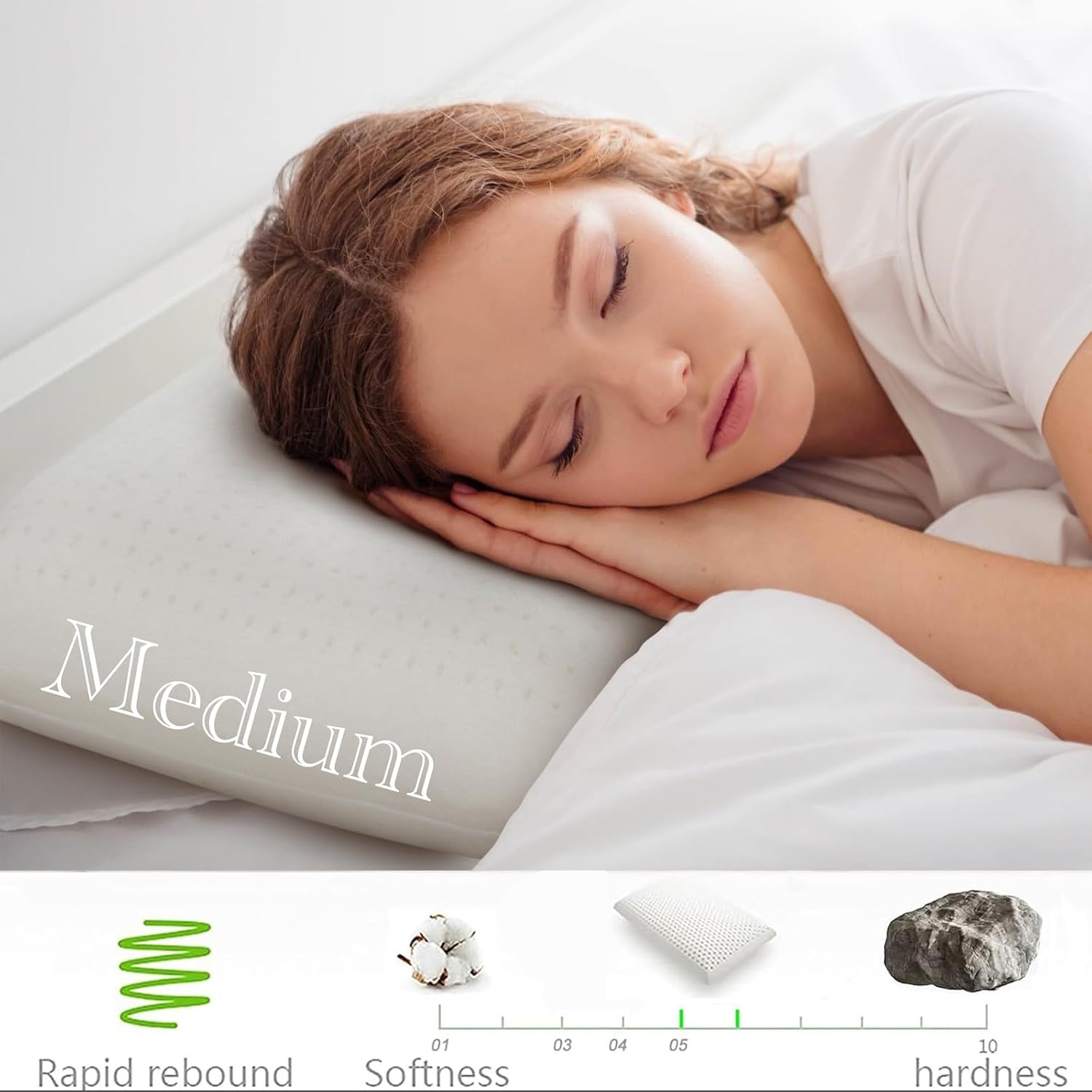
Latex behaves differently, and that is the main reason people switch. It is an elastic foam. Press it and it pushes back. Get up and it returns to its original height straight away. There is no slow melt and no morning flattening to deal with.
What Talalay latex actually is
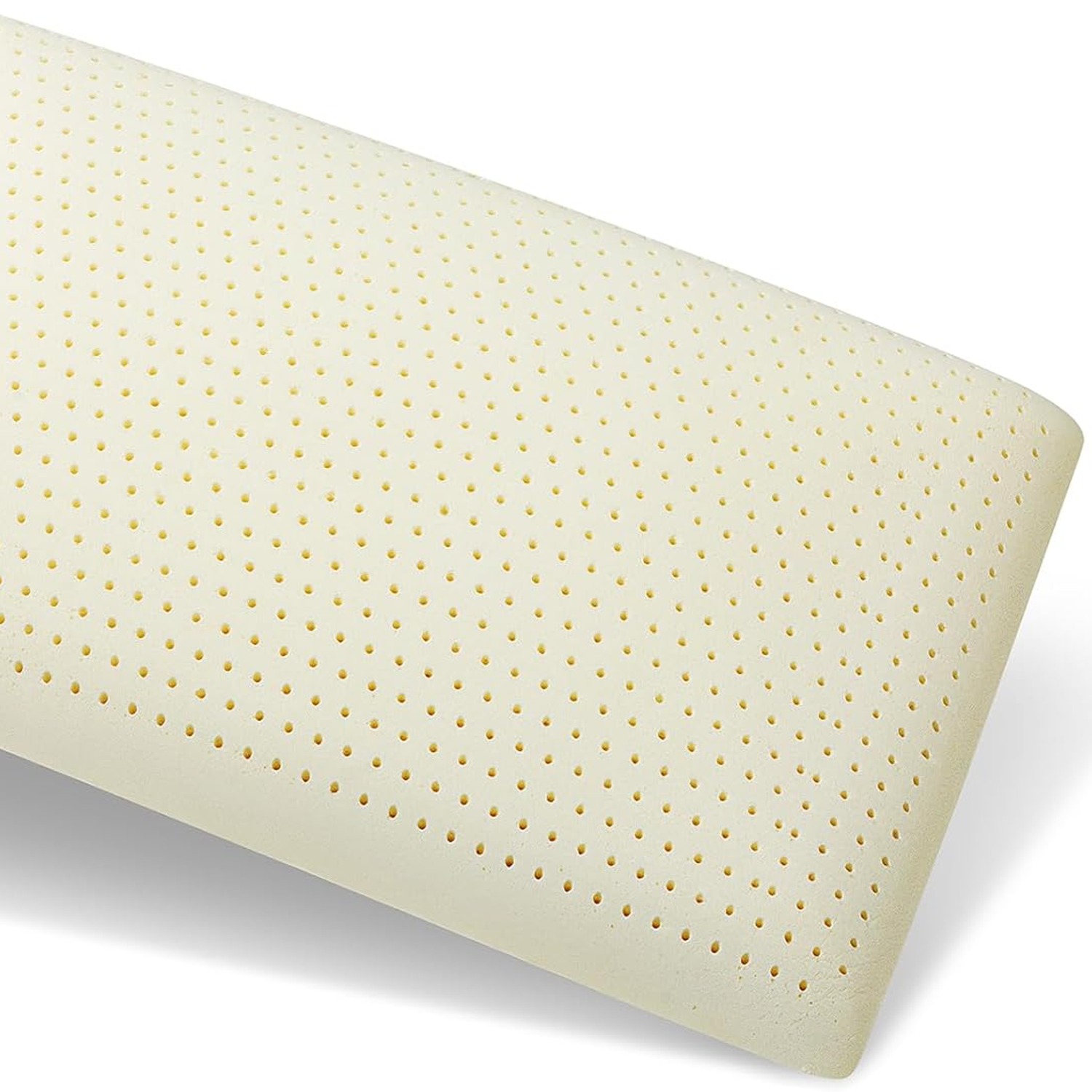
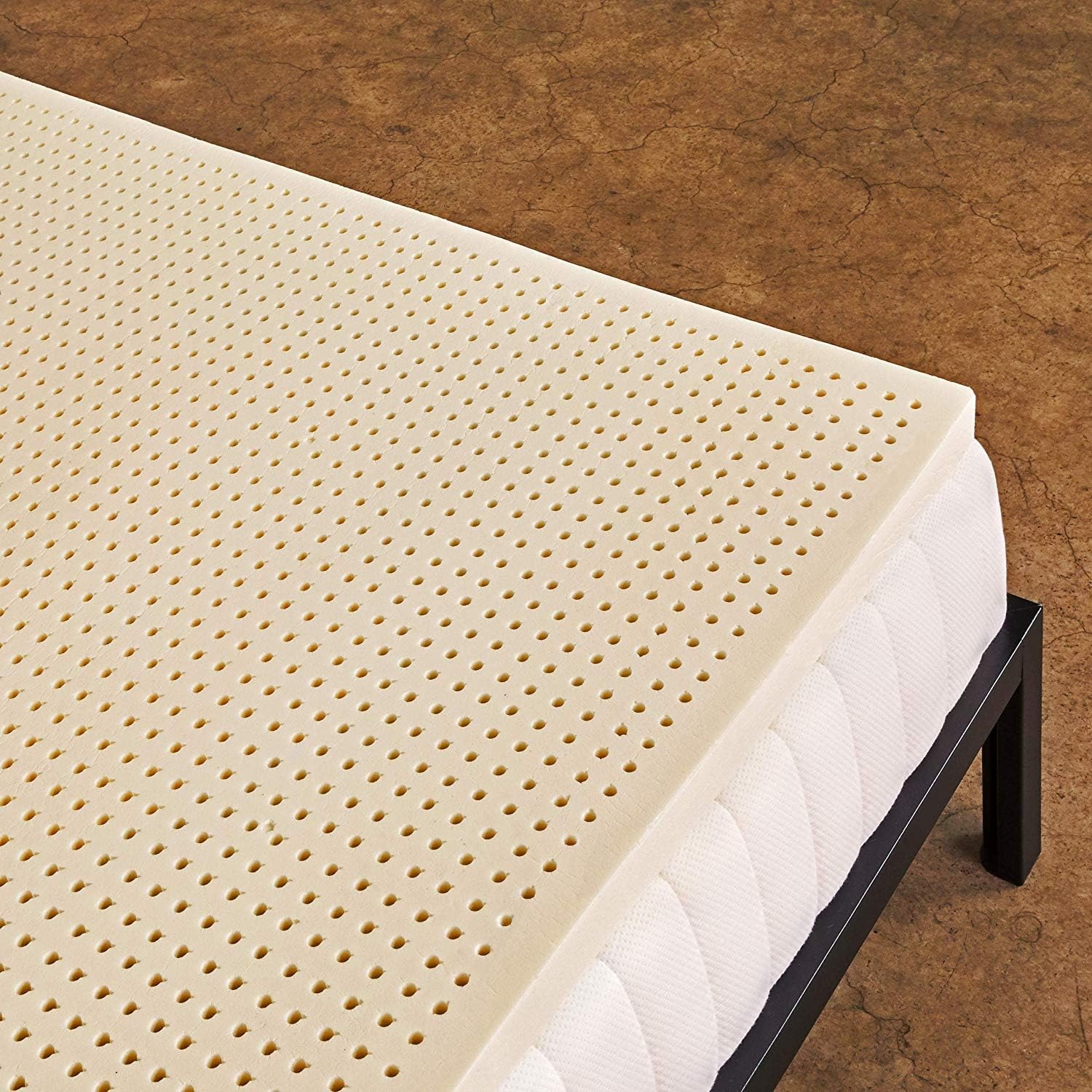
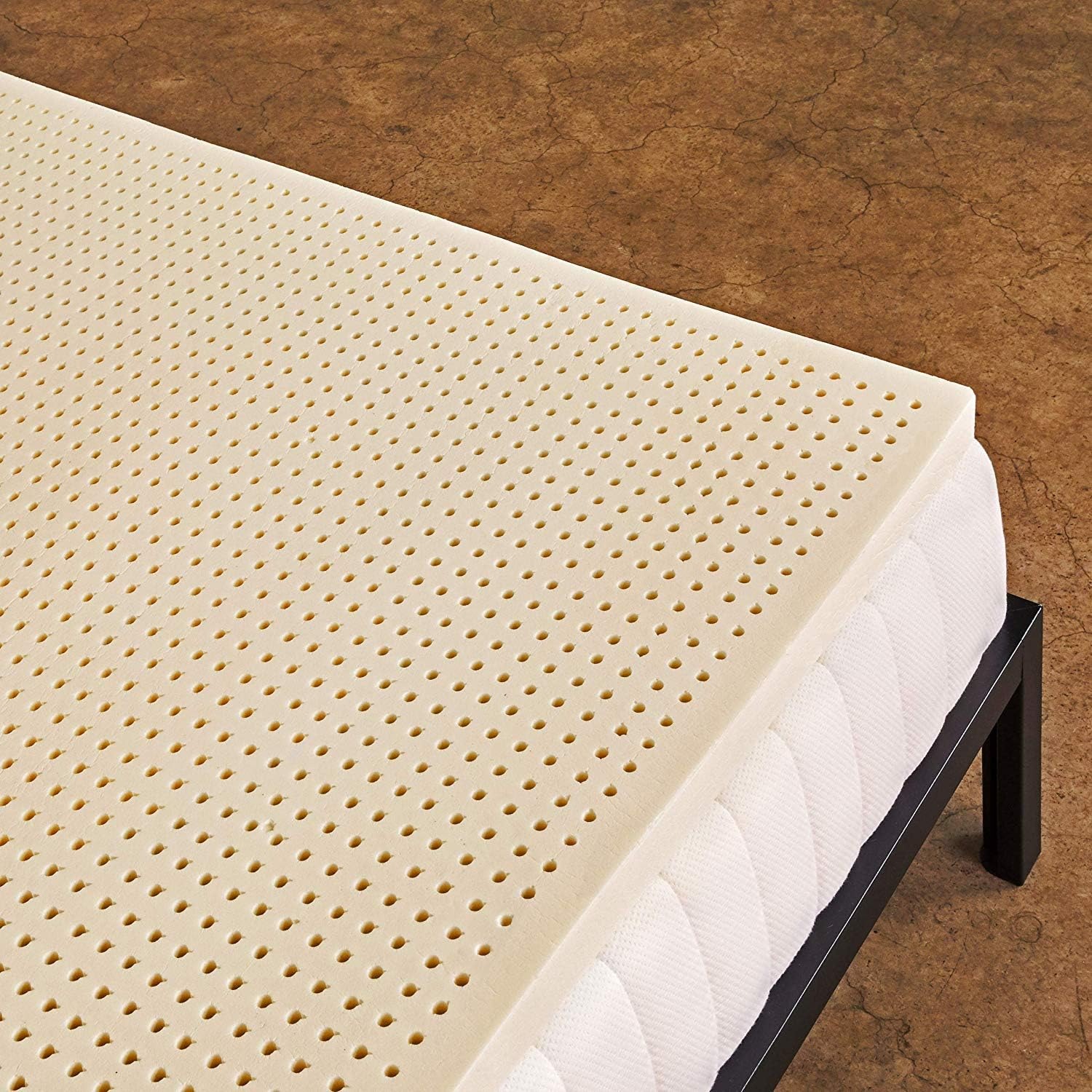
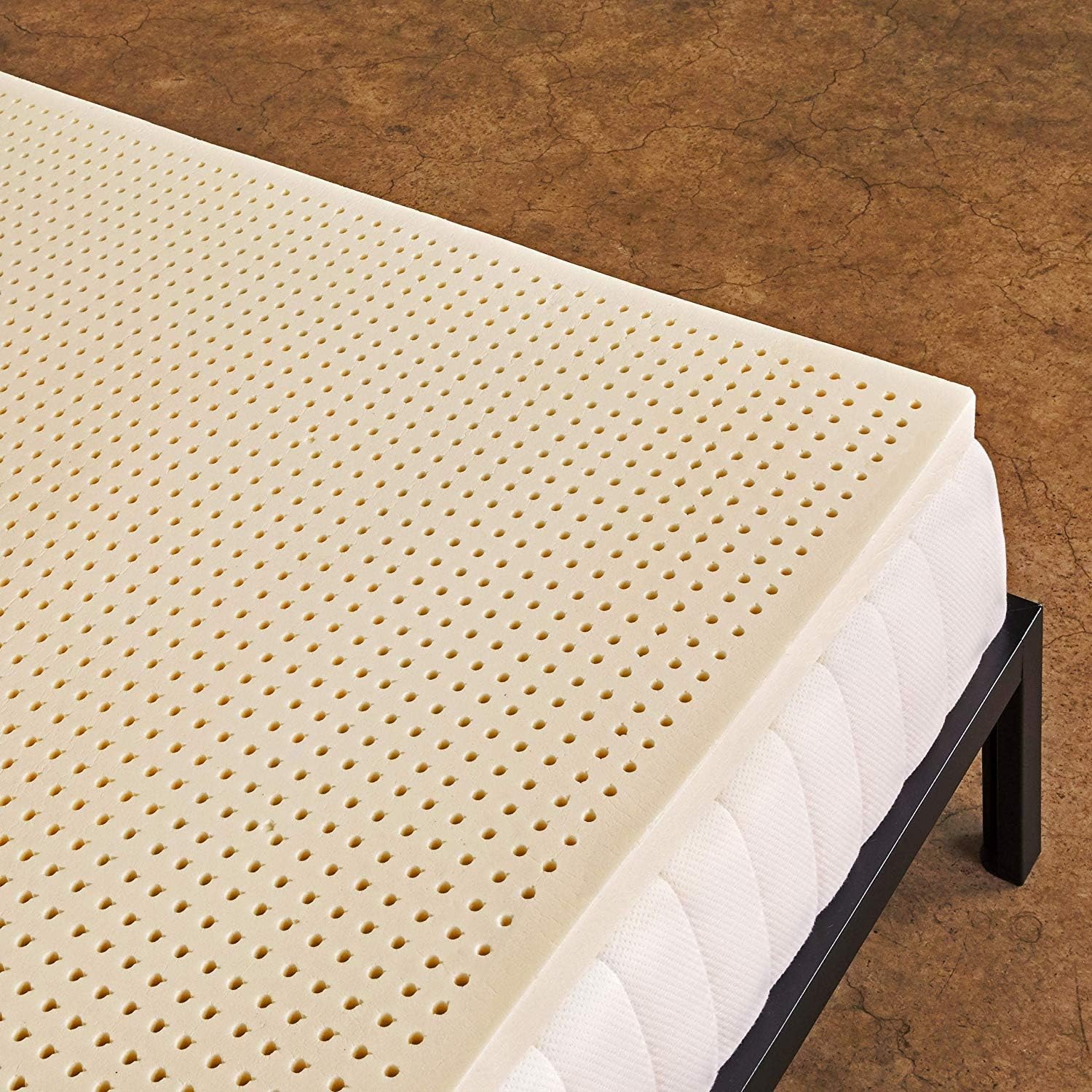
Latex foam comes from liquid sap tapped out of rubber trees. The Talalay process whips that liquid into a froth, pours it into a mould, pulls a vacuum to spread the foam evenly, flash freezes it, then cures it with heat. The freezing step is what locks the bubbles in place before they can drift to the bottom.
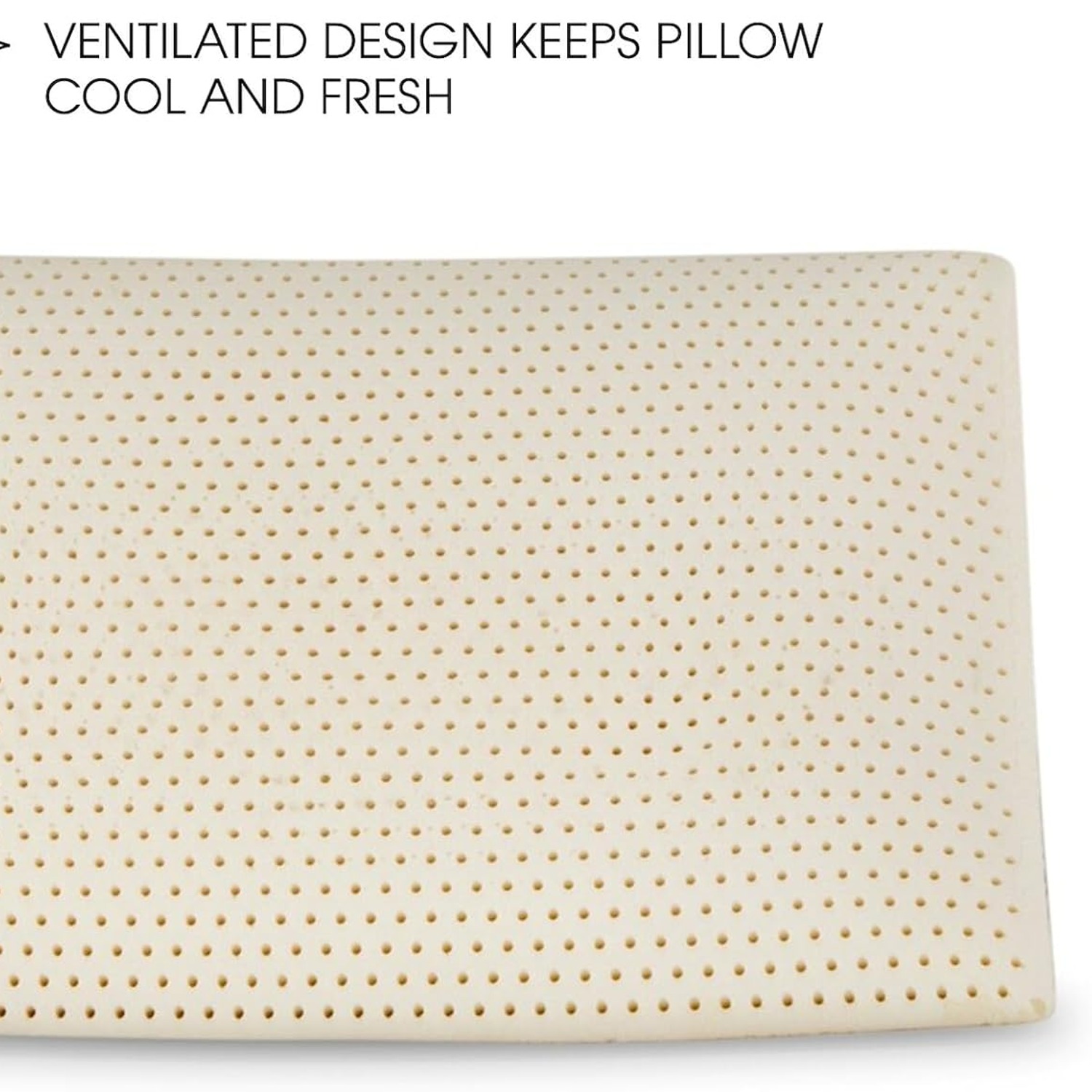
The practical result is a foam with an open, even cell structure all the way through. Air moves through it. Heat does not sit trapped against your face. The foam has a lively, springy feel rather than a dead, sinking one.
This pillow lists its fabric type as 100% natural latex with a medium firmness. Material features given are breathable, hypoallergenic and natural. Those three words describe most of what makes latex appealing as a pillow material.
Loft, and why it matters more than firmness
If you only pay attention to one number, make it loft. That is the thickness of the pillow, and it decides whether your neck stays in line with your spine or spends the night bent.
This pillow is 6.2 inches thick, described as mid loft, in a queen footprint of 27 inches by 15 inches. Mid loft is the middle of the market, and it exists because it suits the largest share of sleepers.
Here is the rough logic. When you lie on your side, there is a gap between the edge of your shoulder and the side of your head. The pillow has to fill it. A broad shouldered person on a firm mattress has a big gap and needs a tall pillow. A smaller person on a soft mattress sinks in, so the gap shrinks and a lower pillow is better.
Back sleepers need less height because the head is already closer to the mattress. A mid loft usually works, though some back sleepers prefer going a little lower. Stomach sleepers need the least of all, since any real height pushes the head backwards. If you spend most of the night face down, a mid loft pillow is probably more than you want.
An easy check: lie in your usual position and ask someone to look at your neck from behind. If your head tilts up toward the ceiling or sags down toward the mattress, the loft is wrong. A straight line from the base of your skull through your spine is the target.
Firmness matters too, but it is secondary. Medium firmness in latex means the surface gives enough to feel comfortable while the body of the foam still holds you up. It is a sensible default for someone who has not worked out a strong preference yet.
Staying cool
Heat is the complaint that drives a lot of people away from foam pillows. Dense memory foam holds warmth against your head, and once it warms up it also softens, so you get hotter and less supported at the same time.
Latex sidesteps most of that. The open cell structure gives warm air and moisture a route out instead of a pocket to collect in. Add a cotton cover on top, as this pillow has, and you have two breathable layers rather than one sealed surface.
To be fair about it, no pillow is cold. It is not a cooling device. What you get is a surface that does not build up heat the way a dense foam block does, which on a humid night is the difference between flipping the pillow four times and not thinking about it at all.
Who this suits
Side and back sleepers are the natural fit. The product listing names back sleeper as a recommended use, and the mid loft height serves a lot of side sleepers well too.
It also suits people who are tired of maintenance. Latex does not need fluffing. It does not need replacing every eighteen months when the fill compacts. You put it on the bed and it stays roughly the same shape for a long time.
People who sleep warm tend to appreciate it. So do people who want a pillow surface that does not collect loose fibre and dust the way a fibre filled pillow does, since the material features list hypoallergenic.
It is not for everyone. If you have a latex allergy, skip it entirely. If you are a dedicated stomach sleeper, you will likely want something lower. And if you specifically enjoy the slow sinking hug of memory foam, latex will feel too springy, because it is designed to do the opposite.
Caring for it properly
Latex care is simple, but there is one rule you cannot bend.
Keep it out of direct sunlight. UV light breaks natural latex down. It dries out, loses its elasticity and eventually crumbles. So no drying it on the line, no leaving it on a sunny windowsill, no airing it on a balcony in the afternoon. Shade and good airflow, always.
The core itself never goes in a washing machine. If something spills, wipe the area with a damp cloth and let it dry completely in a shaded, ventilated spot before covering it again.
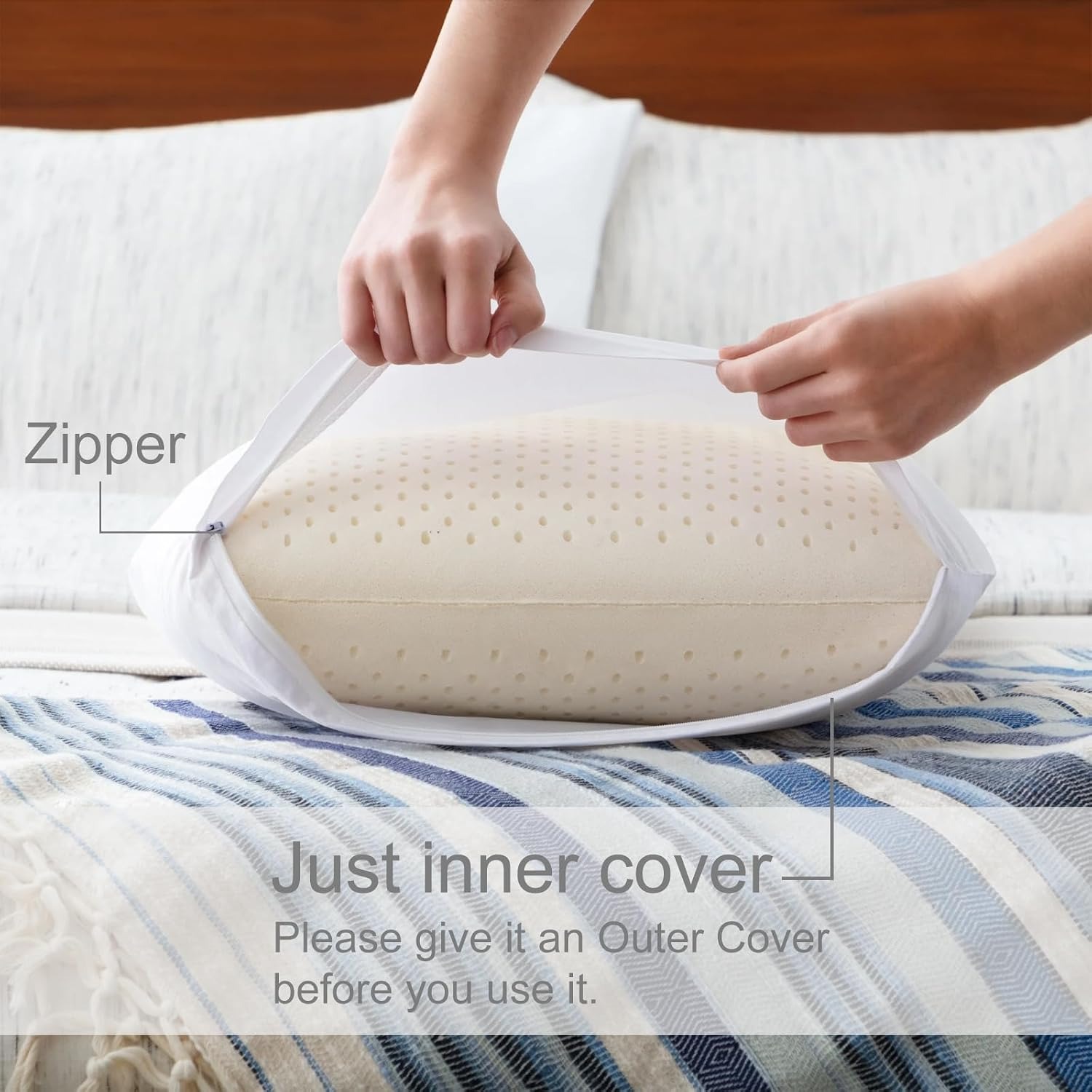
The cotton cover is the washable part. Unzip it, machine wash cold on a gentle cycle, tumble dry low, put it back on. Doing that every few weeks keeps things fresh without touching the core at all. A pillowcase over the top adds another easy layer of protection.
One more thing about a brand new pillow. Natural latex often arrives with a faint rubber smell. It is harmless and it fades. Unwrap the pillow and leave it in a shaded, airy room for a day or two before the first night and the scent is usually gone or close to it.
Settling in
Give any new pillow a fair trial. Your neck has spent months adapting to whatever you were using before, even if it was not doing you any favours, and the first couple of nights on a different height can feel odd.
Most people need around a week. If after that the pillow still feels too tall or too flat in your usual position, the loft is genuinely wrong for you rather than just unfamiliar, and that is worth sorting out rather than putting up with.
The short version
This is a queen size natural latex pillow, 27 by 15 inches, 6.2 inches thick, medium firmness, weighing 2.8 pounds. The core is Talalay latex with an open cell structure that breathes. The cotton cover unzips and goes in the machine on cold.
It suits side and back sleepers looking for steady support that does not flatten, and anyone who wakes up too warm on dense foam. Stomach sleepers and people with latex allergies should look elsewhere.
Keep it out of the sun, wash only the cover, and air the new rubber scent out before the first night. Do those three things and it should serve you well for a long stretch.