
The complete guide
How to Choose a Talalay Latex Pillow That Actually Fits Your Neck
The problem with the pillow you already own
Think about how your current pillow behaved on its first night compared to how it behaves now. Most fiber and down pillows start plump and end up thin. The fill shifts to the edges, clumps form, and the middle, which is where your head sits, becomes the lowest point. You compensate without noticing. You fold the pillow in half. You stack a second one. You wake up and roll your shoulder because something in your neck feels tight.
None of that is dramatic enough to make you buy a new pillow, which is exactly why people sleep on worn-out pillows for years. The fix is a material that does not pack down in the first place.
What Talalay latex actually does
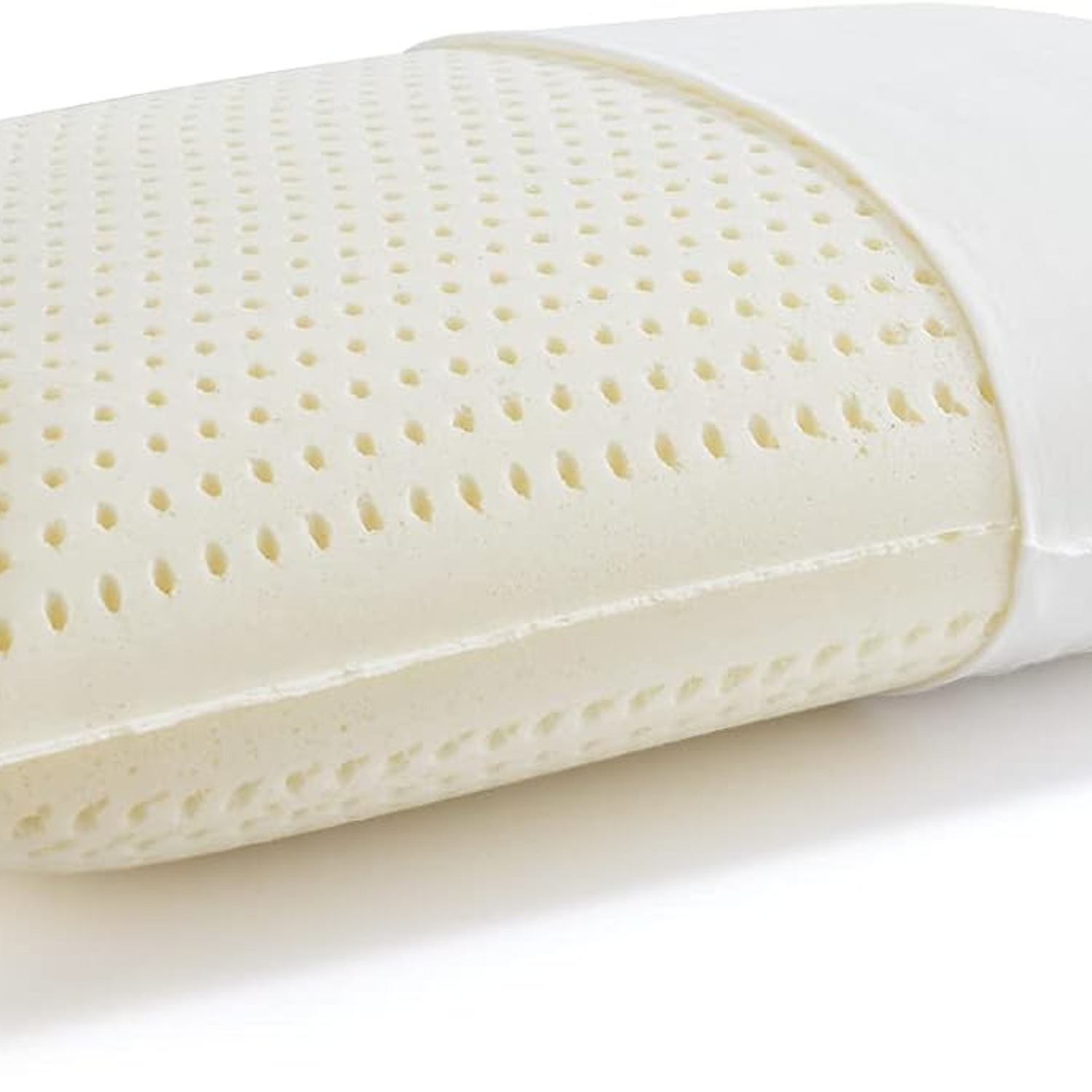
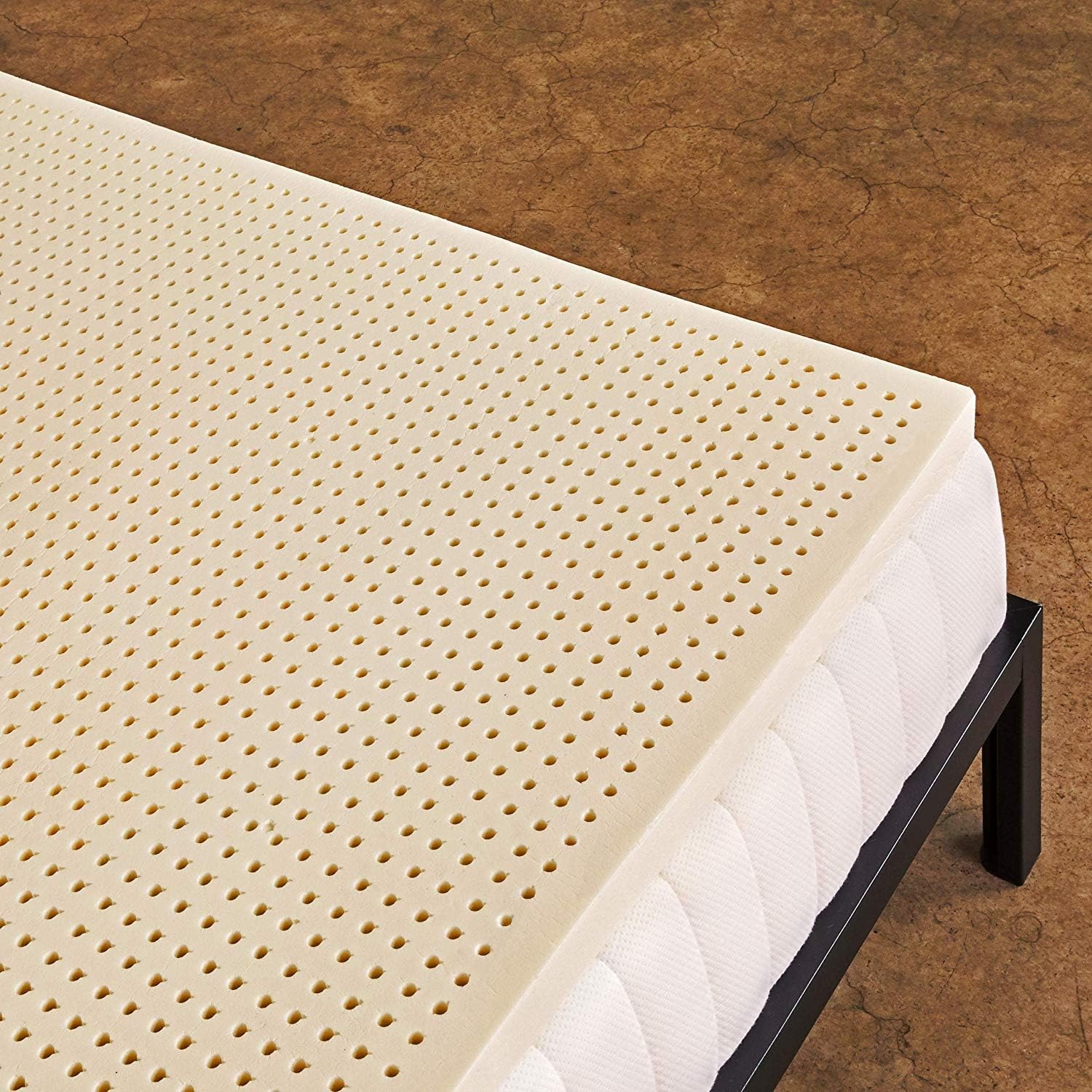
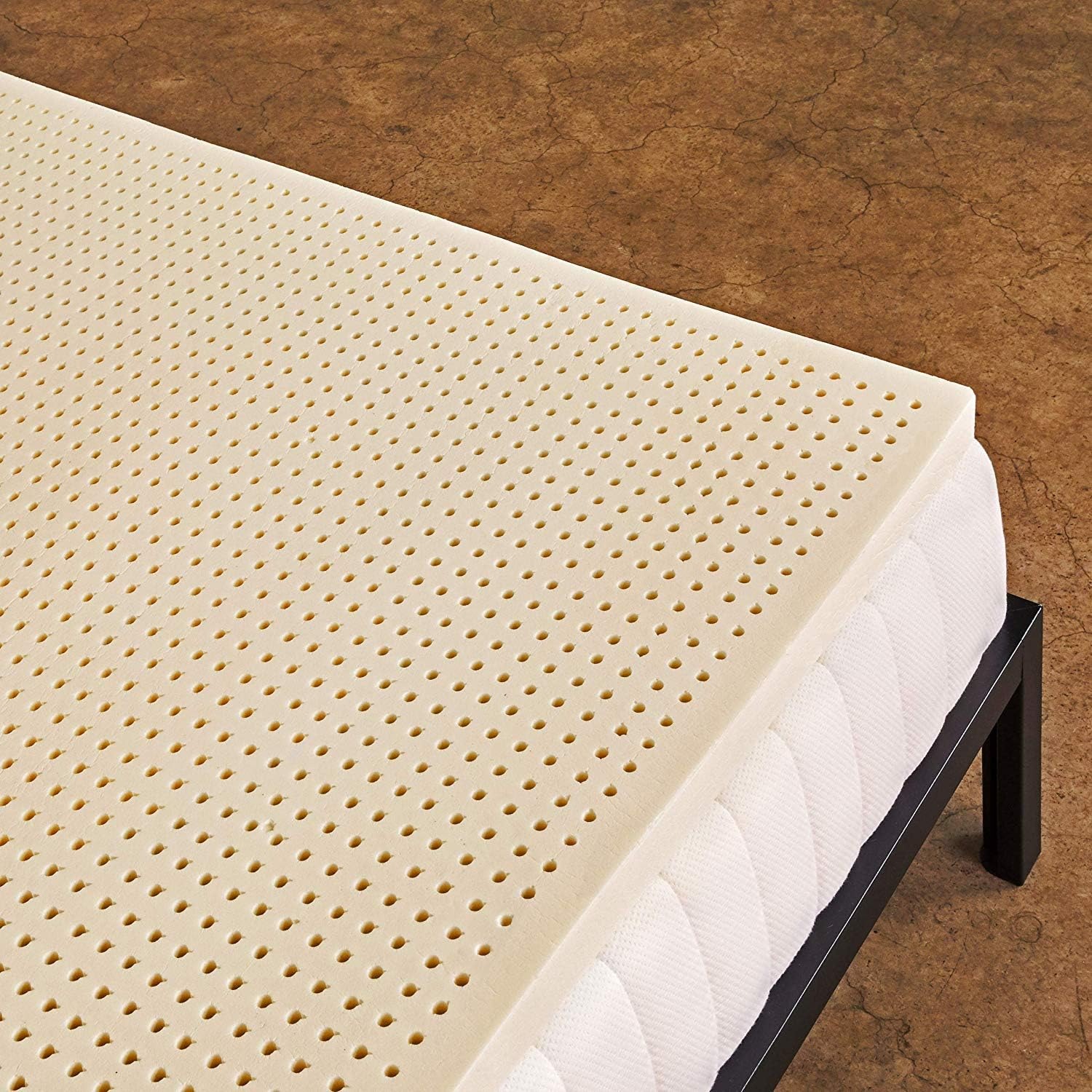
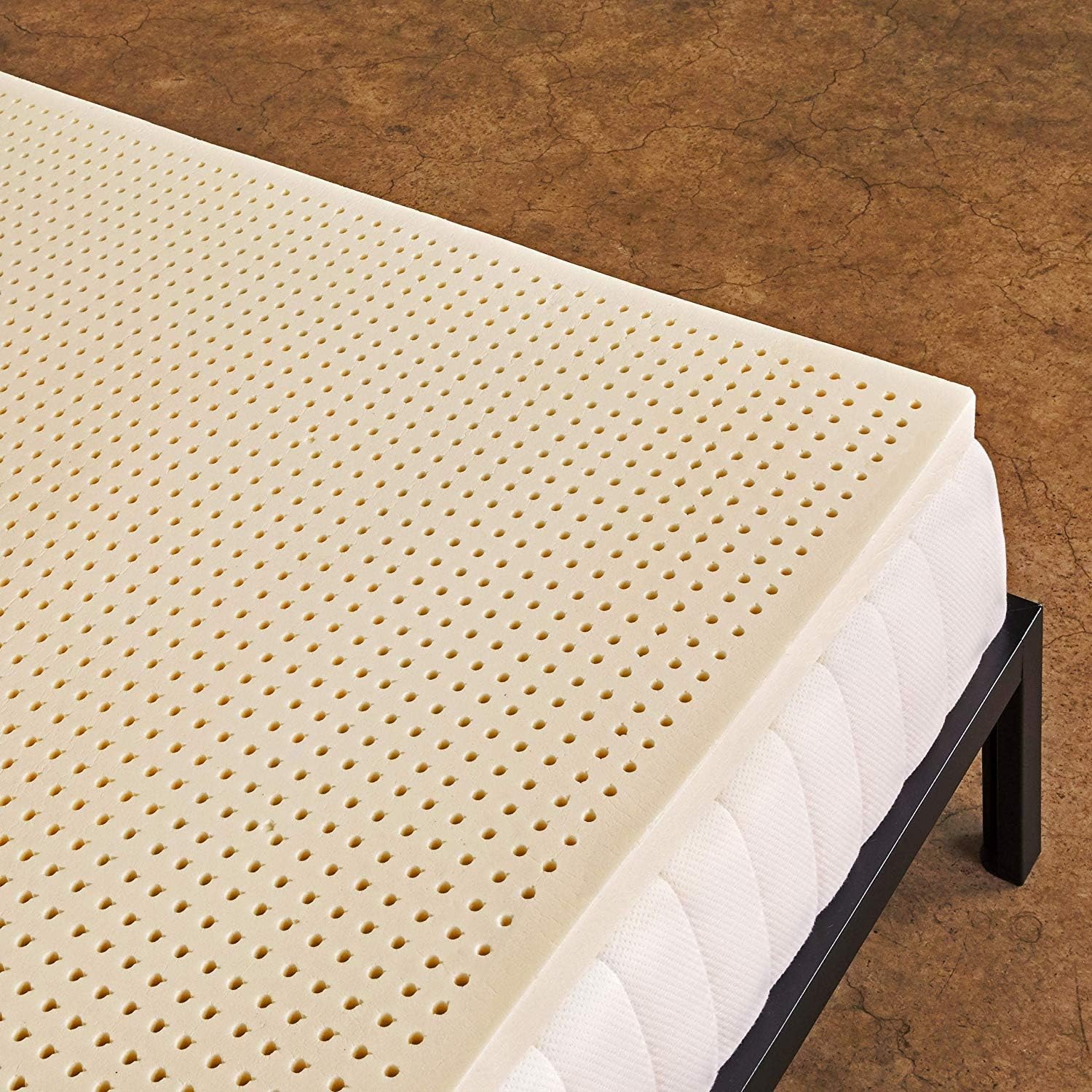
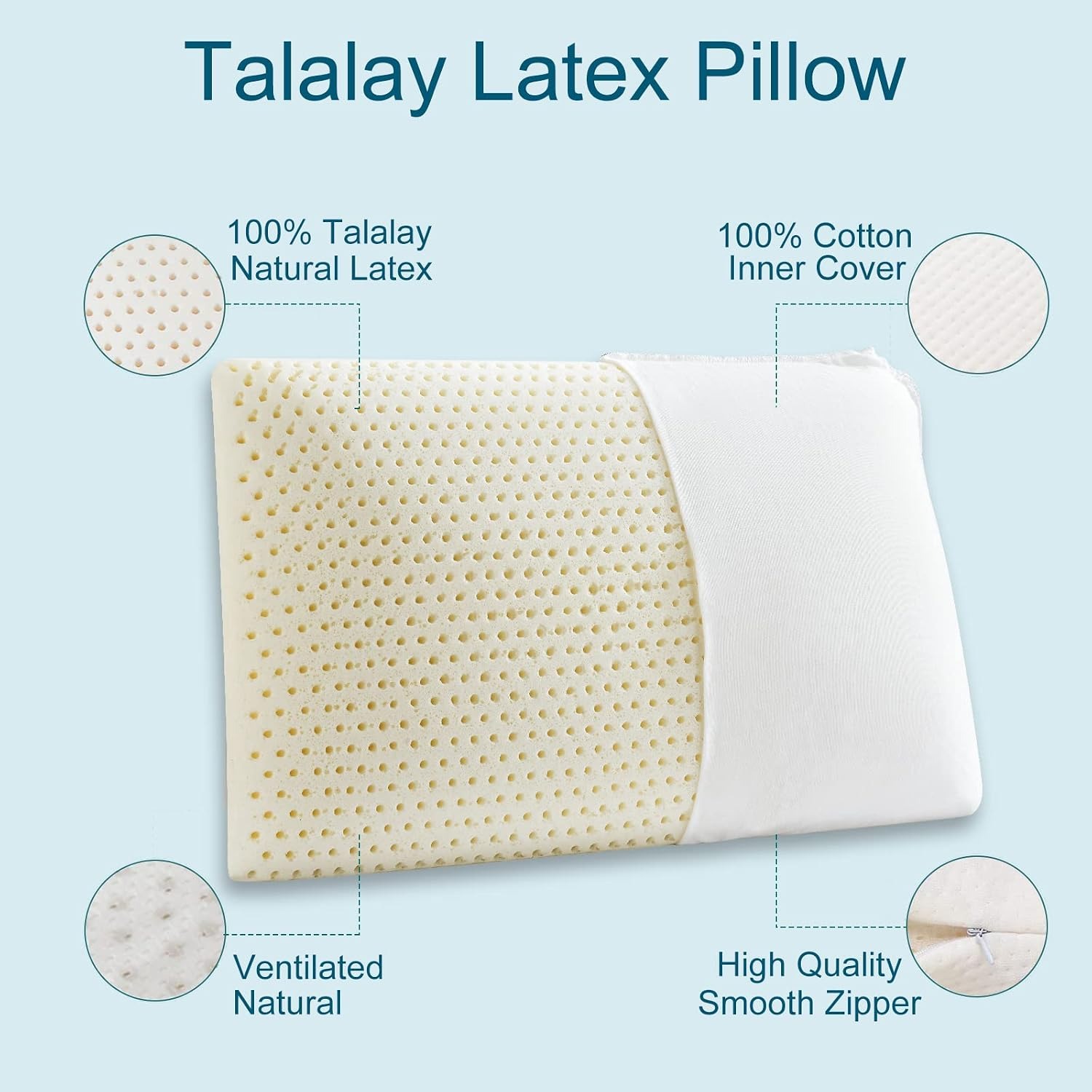
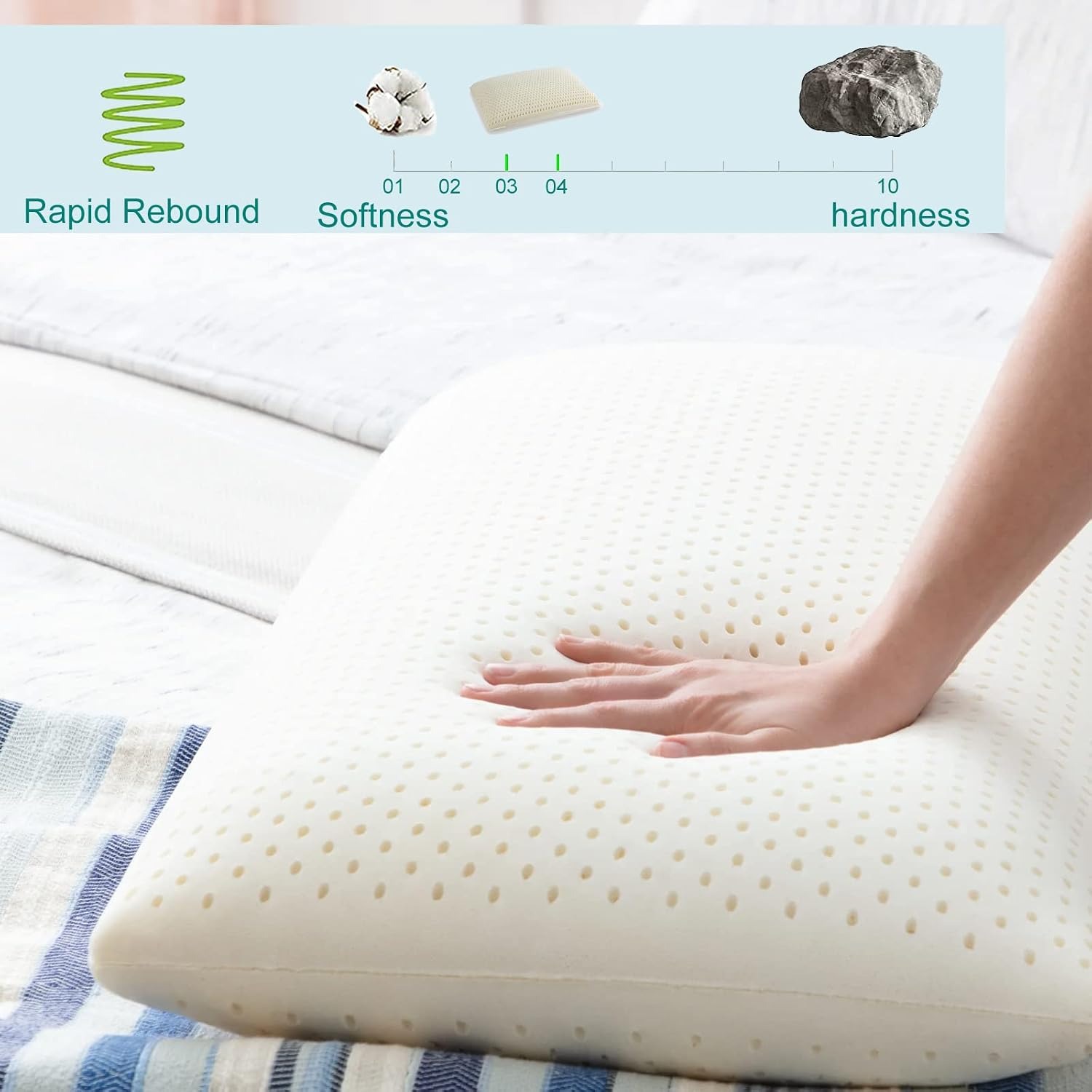
Latex is rubber, foamed and set into a solid block with air pockets running through it. The Talalay process produces an even, open-cell structure throughout the core. That structure is what gives latex its particular feel, a soft surface with a springy push underneath.
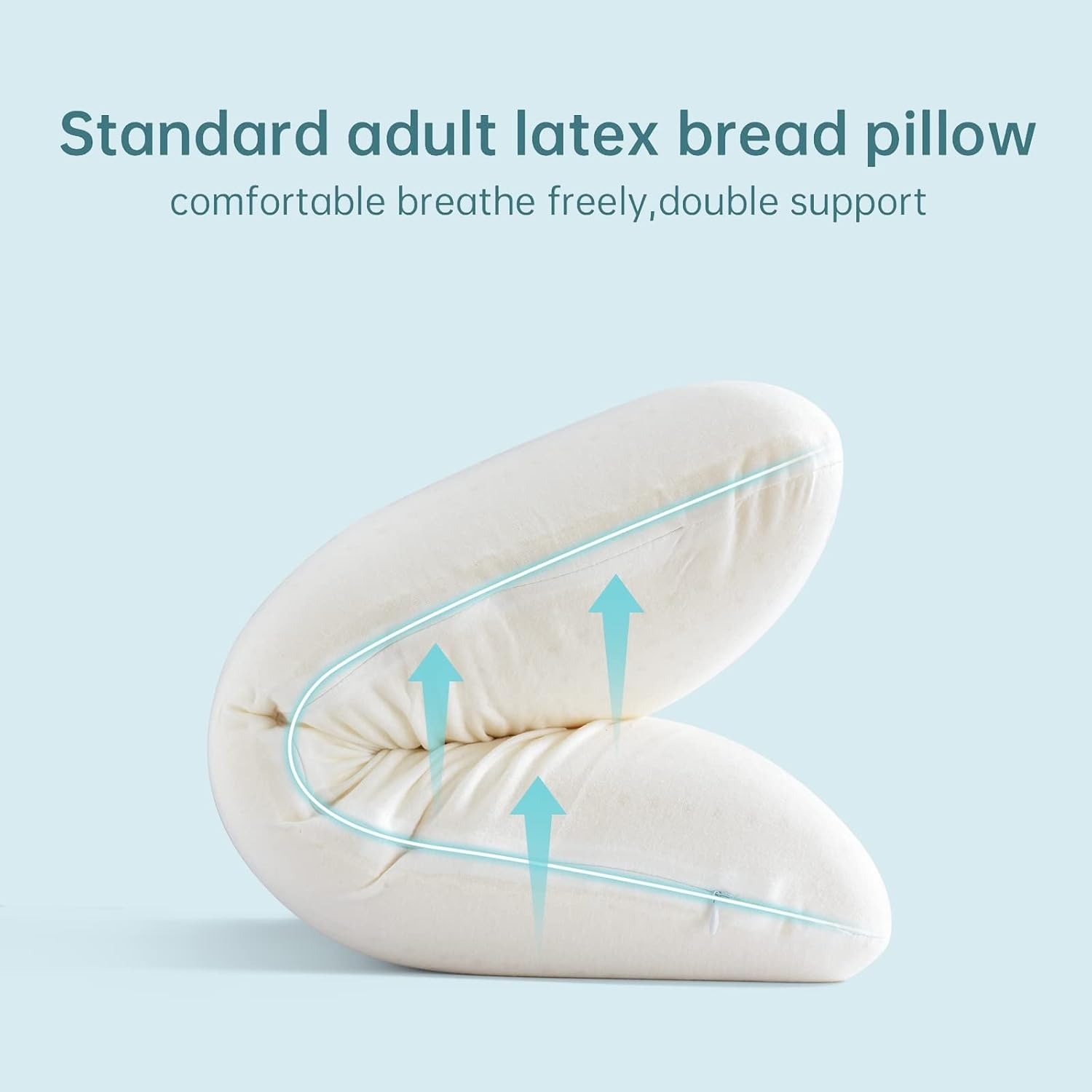
The difference from memory foam matters here. Memory foam softens in response to heat and pressure, so you slowly sink into it over the course of the night. Latex does not. It compresses when you put weight on it and springs back when you move. You get the same support at 2am that you had at 11pm.
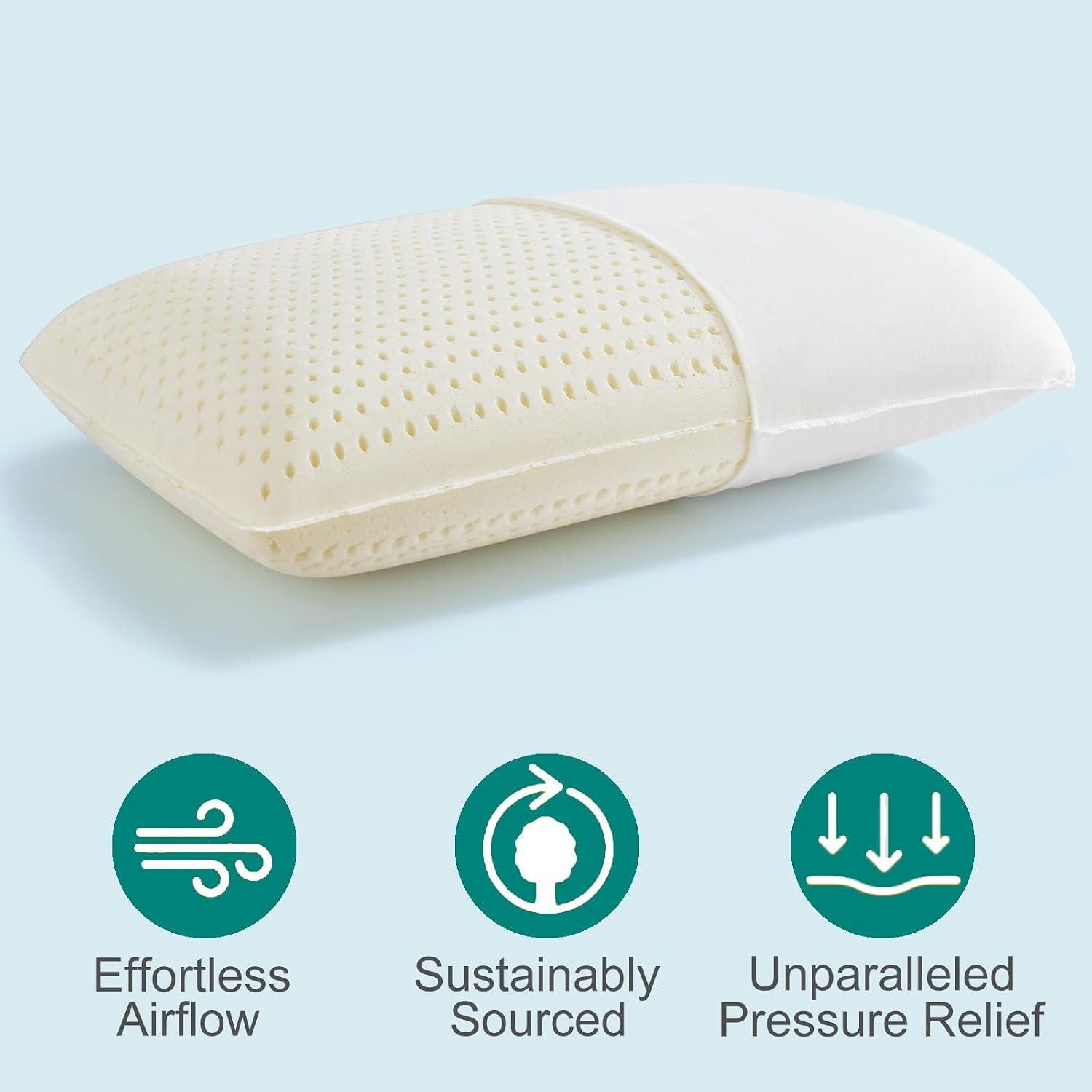
That same structure handles heat. The core in this pillow is perforated, so air moves through it instead of sitting trapped under your neck. Combined with a cotton cover, it keeps the sleeping surface from turning into a warm pocket. If you have been searching for the best cooling latex pillow, this is the mechanism behind the claim.
The loft question, and why it is the only one that really matters
Firmness gets talked about more, but loft decides whether a pillow works for you. Loft is simply the thickness of the pillow, and the right loft keeps your head level with your spine rather than tilted up or dropped down.
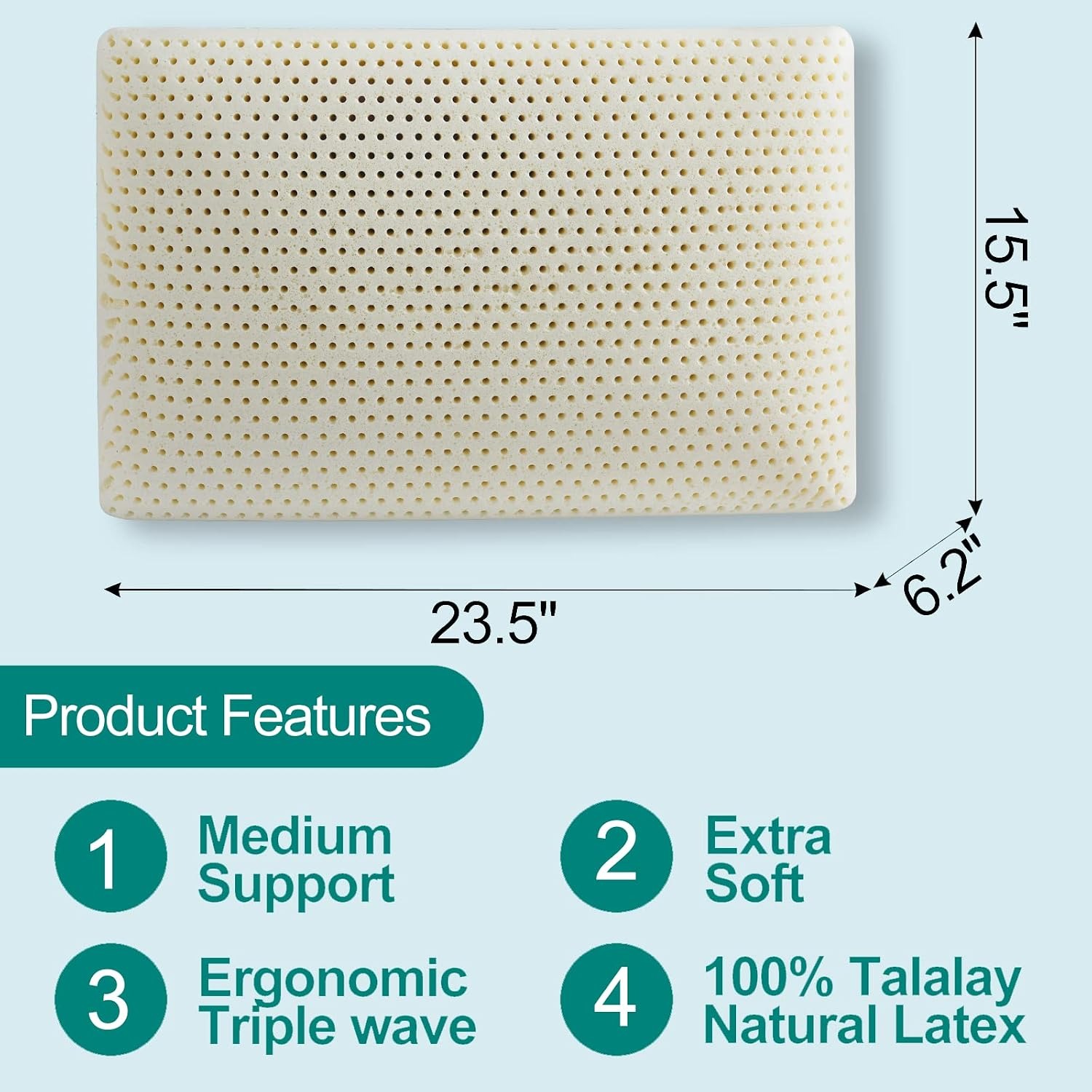
This pillow measures 23.6 inches long, 15.7 inches wide and 5.5 inches thick. That is a standard size at mid loft. Here is how that maps onto sleeping positions.
Side sleepers have the biggest gap to fill. When you lie on your side, your shoulder props your body up while your head needs support across that distance. Too little height and your head droops toward the mattress, which bends the neck. Mid loft covers that gap for most adults of average build. Shoppers looking for the best latex pillow for side sleepers almost always land in this height range.
Back sleepers need less, but not nothing. The head should rest with the chin roughly neutral, neither pushed toward the chest nor tipped back. Mid loft works for many back sleepers, especially on a firmer mattress where the body does not sink much.
Stomach sleepers are the exception. Sleeping face down already twists the neck, and adding height makes it worse. A low pillow, or sometimes none, is the usual advice. If you spend most of the night on your stomach, this is probably taller than you want.
There is a quick test. Lie on your side on your mattress with your current pillow and have someone look at you from behind. If your head tilts toward the ceiling or toward the bed, the loft is wrong. The height you need is roughly the distance from the side of your head down to the mattress with your shoulder compressed.
Firmness, and what "extra soft" means in practice
The firmness description on this pillow is listed as extra soft. That describes the surface feel more than the support. Latex has a quality that is hard to describe until you have slept on it. The top layer gives easily, so there is no hard pressure against your ear or cheek, but the core underneath keeps resisting. You do not bottom out.
This is a different experience from a soft fiber pillow, which gives and then keeps giving until there is nothing left between your head and the mattress. If you have been frustrated by soft pillows that collapse, the latex version of soft is likely to feel better than you expect.
Who this suits
It suits side sleepers and back sleepers who want consistent height. It suits anyone who sleeps warm and finds memory foam stifling. It suits people replacing pillows too often, since latex holds up longer than fiber. Allergy-prone sleepers often prefer it too, because latex resists dust mites and the material features here include hypoallergenic.
It does not suit anyone with a latex allergy. It is also not the right pick for strict stomach sleepers, or for very broad-shouldered side sleepers who may need more height than 5.5 inches.
Setting it up when it arrives
The pillow ships vacuum packed, so it will not look like a pillow when you open the box. Lay it flat first. Unzip the cotton cover and take out the latex core. Then work it with both hands, patting and pressing across the whole surface, for two to three minutes. The core expands back toward its full size. Leaving it uncovered for a day helps it finish settling.
Natural latex has a mild rubbery scent when new. This is a property of the material, not a defect. A few days of air in a shaded, ventilated room clears most of it. Do not try to speed this up by putting the pillow outside in the sun.
Care, and the one rule you must not break
The cotton cover is easy. Unzip it, machine wash cold on a gentle cycle, tumble dry on low or hang it up. Skip the bleach. A pillowcase over the top means you can wash the case weekly and the cover far less often.
The latex core is where people go wrong. Never wash it, never soak it, never put it in a machine. Water trapped inside a latex core does not come out easily and it breaks the material down. If something spills, blot it, wipe the spot with a damp cloth and a touch of mild soap, then let it air dry fully in shade before you use it again.
The second half of that rule is sunlight. UV light degrades natural rubber. Leave a latex core in a sunny window and it will harden, yellow and eventually crumble at the edges. Shade and airflow are what you want, every time.
A few practical notes
Buy two if you share a double bed and want a matching pair, since this is sold as a single pillow. Use a standard pillowcase, which fits the 23.6 by 15.7 inch size without stretching. Store spares flat rather than squashed into the back of a cupboard, since latex prefers not to be held in a compressed shape long term.
For gifting, latex pillows land well with anyone who has mentioned neck stiffness or keeps buying replacement pillows. It is a practical present that gets used every single night.
The short version
A Talalay latex core gives you support that stays the same height for the long haul, rather than slowly flattening the way fiber and down do. This one is a standard size at 5.5 inches thick, which is mid loft, and that height suits most side sleepers and many back sleepers. The open-cell latex and cotton cover keep air moving, so it does not build up heat under your neck.
Wash the cover, never the core. Keep the latex out of direct sun. Give it a few minutes of hand working when it arrives and a few days to lose its new-rubber scent. After that, it is a pillow you can largely forget about, which is exactly what a good pillow should be.