




The complete guide
How to Choose a Talalay Latex Pillow That Actually Suits You
The problem with most pillows
You buy one, it feels good for a few weeks, and then it quietly stops doing its job. The fill shifts. The middle thins out. You start folding it, stacking two together, or waking up with a stiff neck and blaming the mattress. Pillows wear out faster than almost anything else in the bedroom, and because the decline is slow, most people put up with a bad one for years.
Latex is the material that pushes back against that pattern. Instead of loose fill that migrates and compacts, you get a single solid core with a consistent feel from one end to the other. Press into it and it resists. Lift your head and it returns. That simple behavior is the whole appeal, and it is why a natural latex pillow tends to still feel like itself long after a fiber pillow has given up.
What Talalay latex actually is
Latex pillows come in two main types, Dunlop and Talalay, and the difference is in how the foam is made. Dunlop is the older method. Liquid latex is poured into a mold and cured, which produces a denser, heavier foam that is usually a bit firmer at the bottom than the top.
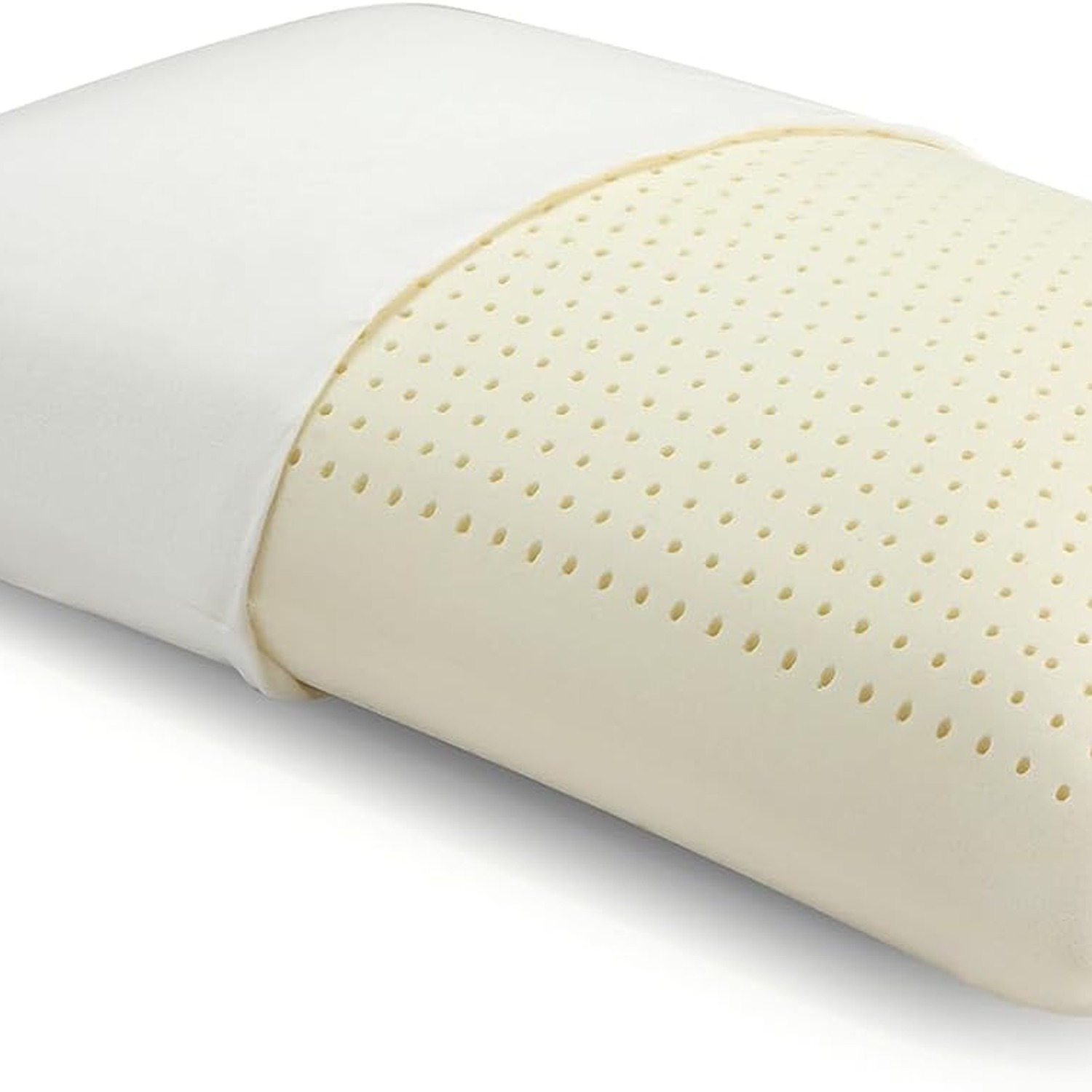
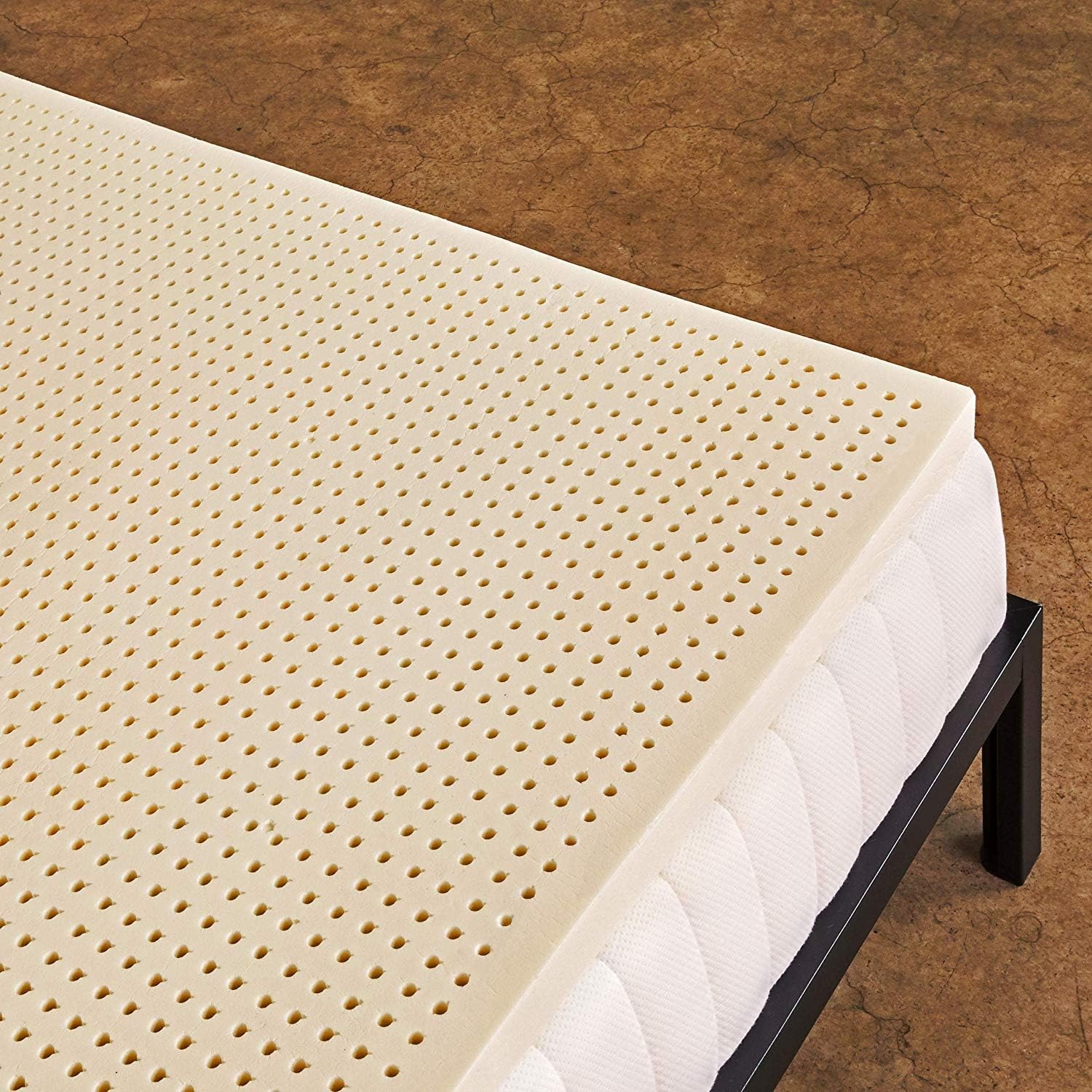
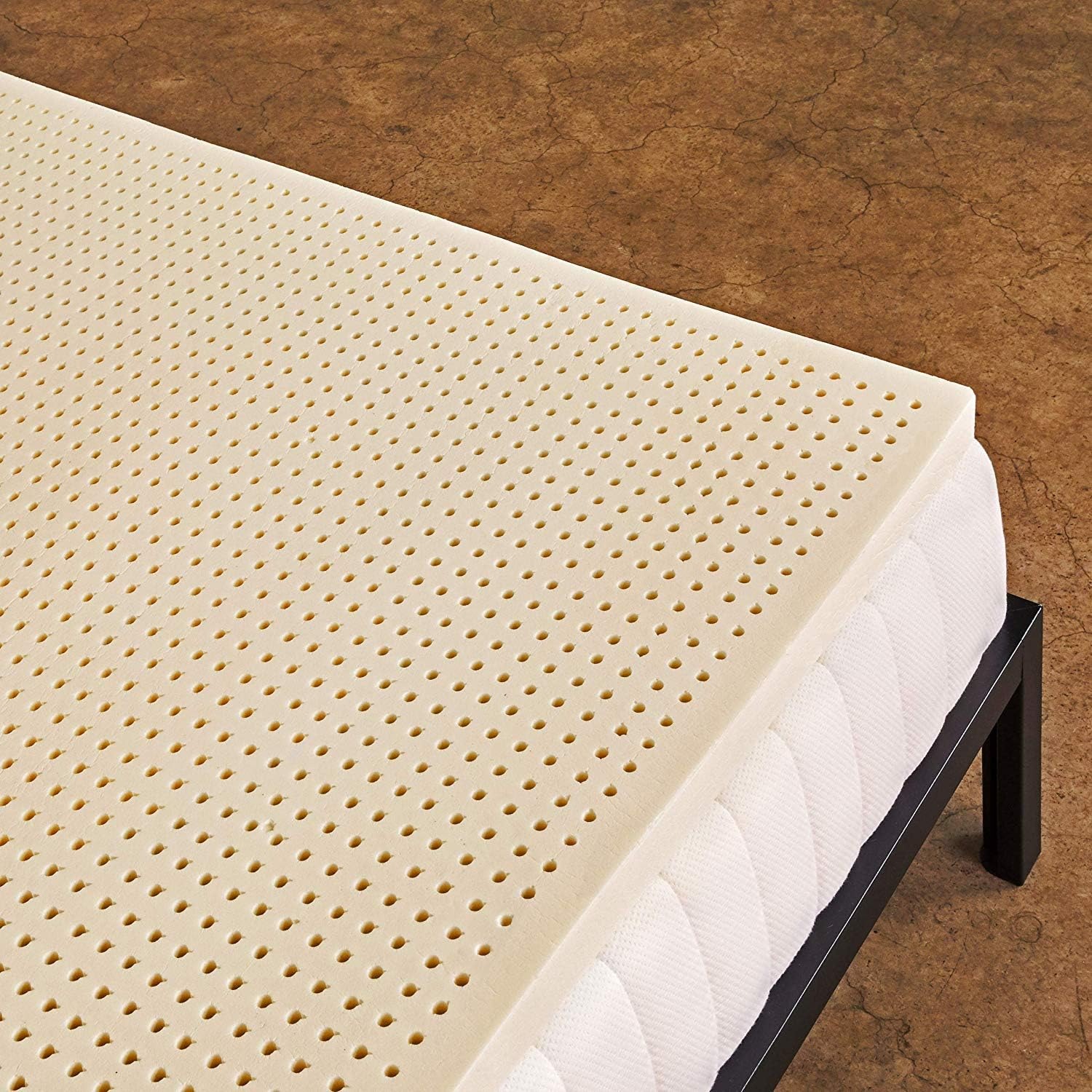
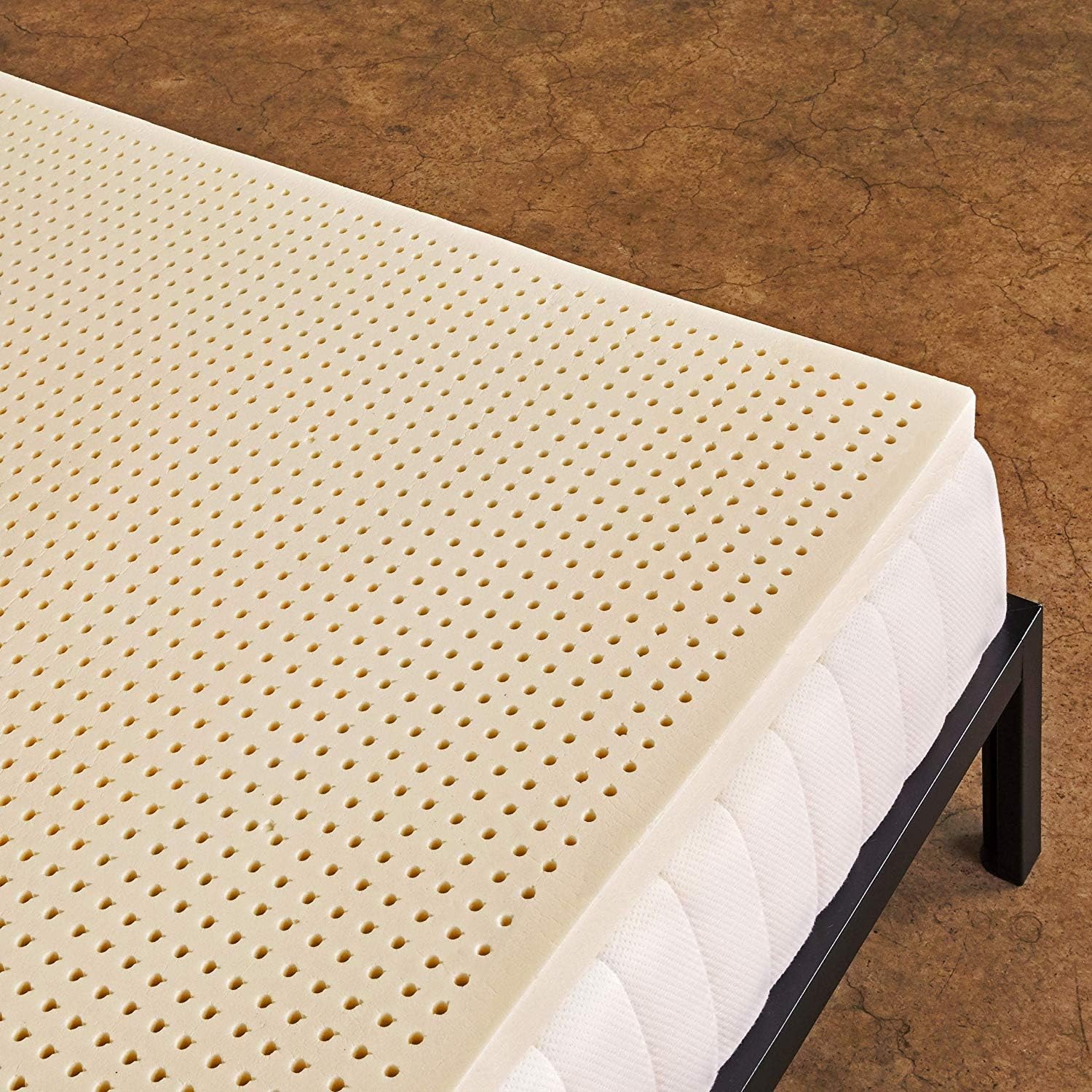
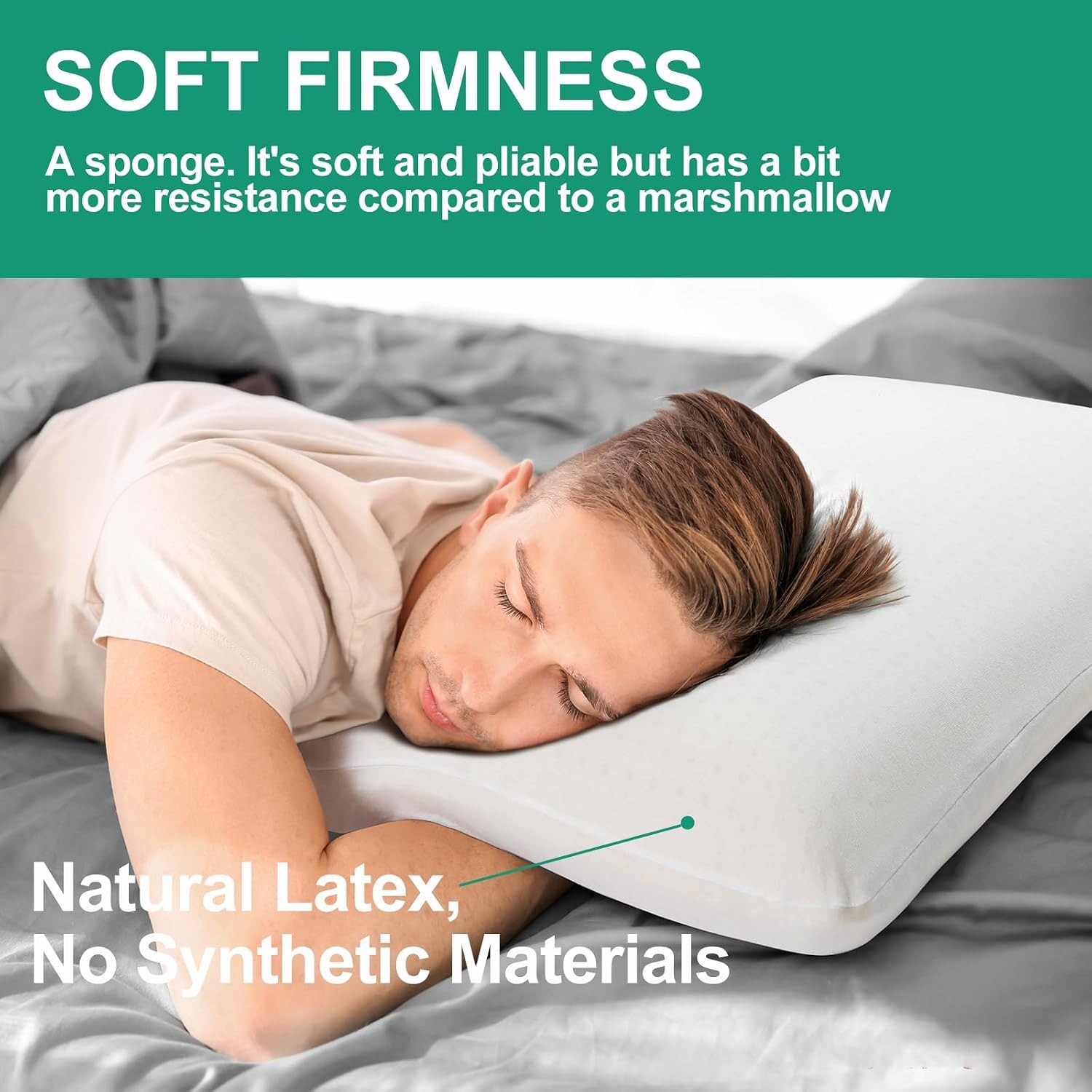
Talalay adds two steps. The mold is only partly filled, then vacuum-sealed so the latex expands to fill the space, and it is flash-frozen before curing. The result is a lighter, more uniform foam with a more open structure. That structure is the reason Talalay has a springier feel and tends to breathe better. This pillow uses 100% natural Talalay latex for the core.
The open-cell part matters for temperature. Air can travel through the material rather than sitting trapped where your face meets the surface. Pair that with a cotton cover and you have a pillow that handles warm nights better than solid memory foam, which is dense by design and holds heat against your skin.
Getting the loft right
Loft is pillow height, and it is the single thing that decides whether a pillow works for you. It has almost nothing to do with price and everything to do with your body.
Here is the basic rule. When you lie down in your usual position, your head should sit level with your spine. Not tipped up, not sagging down. Stand in front of a mirror sideways and you will see what good neck alignment looks like. The job of the pillow is to recreate that while you are lying on your side or back.
Side sleepers have the biggest gap to fill, because the shoulder lifts the head away from the mattress. The broader your shoulders, the more height you need. Back sleepers need less, because the head is already closer to the surface. Stomach sleepers need the least of all, and many do best with almost nothing under the head.
This pillow is described as mid loft with a low-profile shape, which is the middle of that range. It is a deliberate choice. Most people are not purely one kind of sleeper. You start on your side, roll onto your back, maybe end the night half on your front. A mid-loft pillow is forgiving across those changes in a way that a very tall or very flat pillow is not.
If you know you are a committed side sleeper with broad shoulders, you may want more height than this offers. If you sleep face-down and nothing else, you may want less. For everyone in between, mid loft is the safest bet.
Who this suits
This works well for people who switch positions through the night, people who have found memory foam too hot or too slow to respond, and anyone who is tired of fluffing a pillow back into shape every evening. It also suits people who want a natural fiber next to their skin, since the cover is cotton rather than a synthetic blend.
It is less suited to anyone with a latex allergy, which is non-negotiable. It is also not the right pick if you genuinely need a very tall pillow, or if you are a strict stomach sleeper who wants something close to flat.
The cover and why it matters
A lot of latex pillows come with covers that cannot be removed, which turns every spill or sweaty summer into a problem. Here the cotton cover unzips and goes in the washing machine with your sheets. Cool water, gentle cycle, dry on low or on the line.
The core is a different story. Latex should never be soaked or machine washed. Water gets into the open cells, takes forever to leave, and can break the material down. If the core needs attention, wipe it with a barely damp cloth and a small amount of mild soap, then let it air dry fully in a shaded, ventilated spot before putting the cover back on.
Use a pillowcase over the cotton cover as well. It takes the daily hit from hair products, moisturiser and skin oils, which means you wash the cover less often and the core stays clean.
Living with a latex pillow
Two small things are worth knowing in advance.
First, natural latex often has a faint rubbery smell when it comes out of the packaging. It is harmless and it fades. Leave the pillow uncovered in a room with some airflow for a day or two and you will stop noticing it.
Second, latex pillows ship compressed to save space. When you open yours it may look thin or slightly misshapen. Give it time in open air to expand back to full height before you judge it. Same goes for your neck, which needs about a week to adjust to any change in support. A pillow that feels odd on night one is often perfect by night five.
Beyond that, maintenance is close to nothing. Air it out in the shade every few weeks. Keep it out of direct sunlight, which degrades latex over time. Do not store it compressed long-term. That is the whole routine.
How this compares to what you probably own
If you are coming off a polyester pillow, the first difference you will notice is weight. At around 3 pounds, this feels solid in the hand. That density is the latex, and it is the reason the pillow holds its shape instead of flattening.
If you are coming off memory foam, the difference is responsiveness. Memory foam sinks slowly and keeps the impression of your head for a moment after you move. Latex springs back right away. Some people prefer the slow sink. Others find it stifling and hot, and those are the people who usually switch to latex and stay there.
If you are coming off down or feathers, expect more support and less moldability. You cannot scrunch a latex pillow into a shape and have it stay there. What you get instead is the same reliable height every single night, with no reshaping required.
The short version
This is a queen-size pillow, 27.5 by 15.7 inches, with a 100% natural Talalay latex core and a removable cotton cover you can machine wash. The open-cell latex structure helps air move through so the surface does not get stuffy. The mid-loft, low-profile height is aimed at side, back and stomach sleepers, which makes it a solid choice if you move around at night or if you are buying for a guest room and do not know how your visitors sleep.
Wash the cover, never the core. Air it out when you open it. Give your neck a week to settle in. If after that it still is not right, talk to us and we will help you work out whether a different height would suit you better.