
The complete guide
How to Choose an Organic Latex Contour Pillow
The problem most pillows never solve
Think about what happens to your neck when you lie down. Standing up, your spine has a gentle forward curve at the neck. Lying on your back, that curve needs something underneath it or it flattens out. Lying on your side, your head sits a fair way off the mattress because your shoulder is in the way, and that gap has to be filled or your neck bends sideways for seven hours.
A plain rectangular pillow does not fill either shape well. It is uniform, so the thickest part sits under your skull where you need the least, and the thinnest part ends up under your neck where you need the most. You compensate by folding it, stacking two, or shoving a hand under there, and then you wake up with that familiar ache along the top of the shoulder.
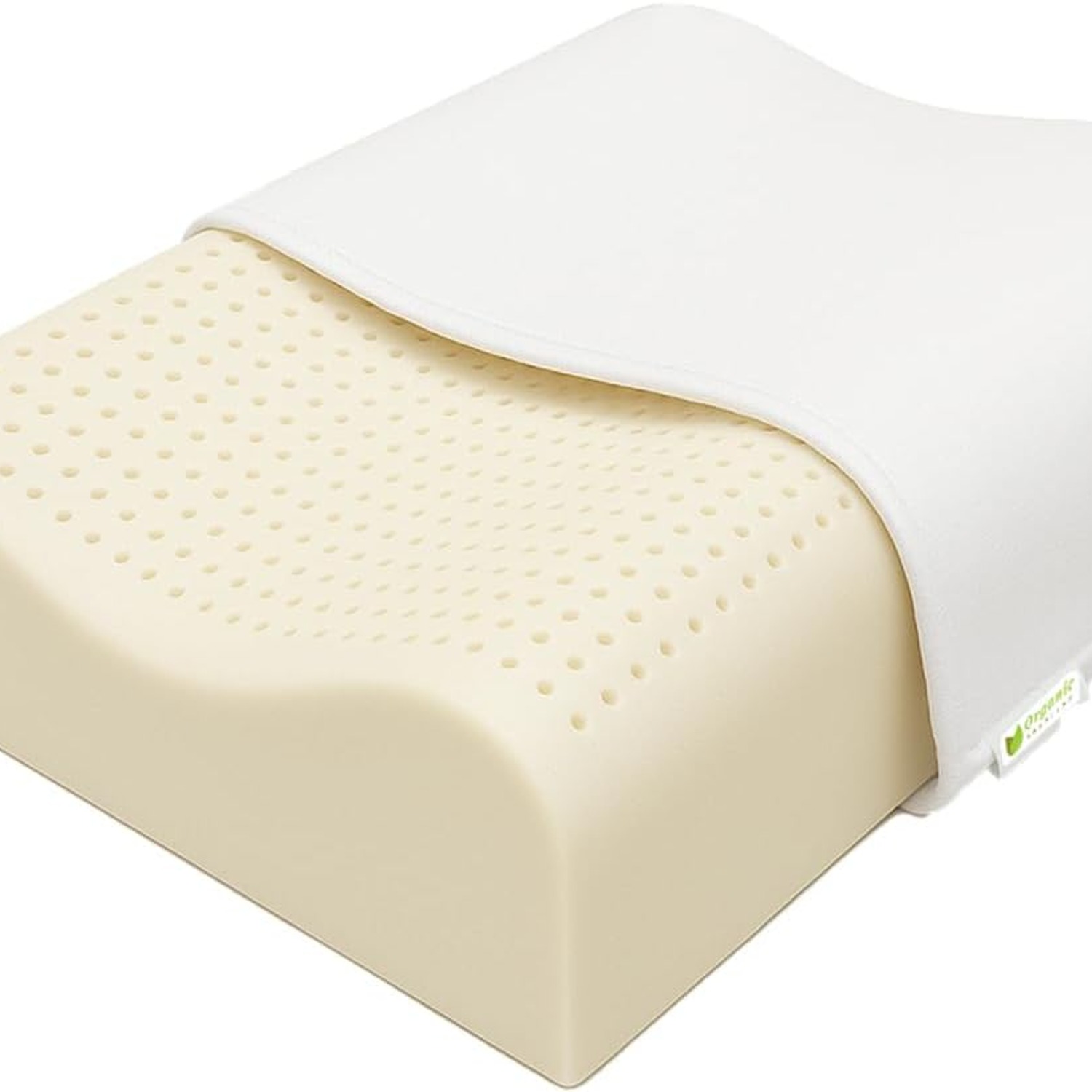
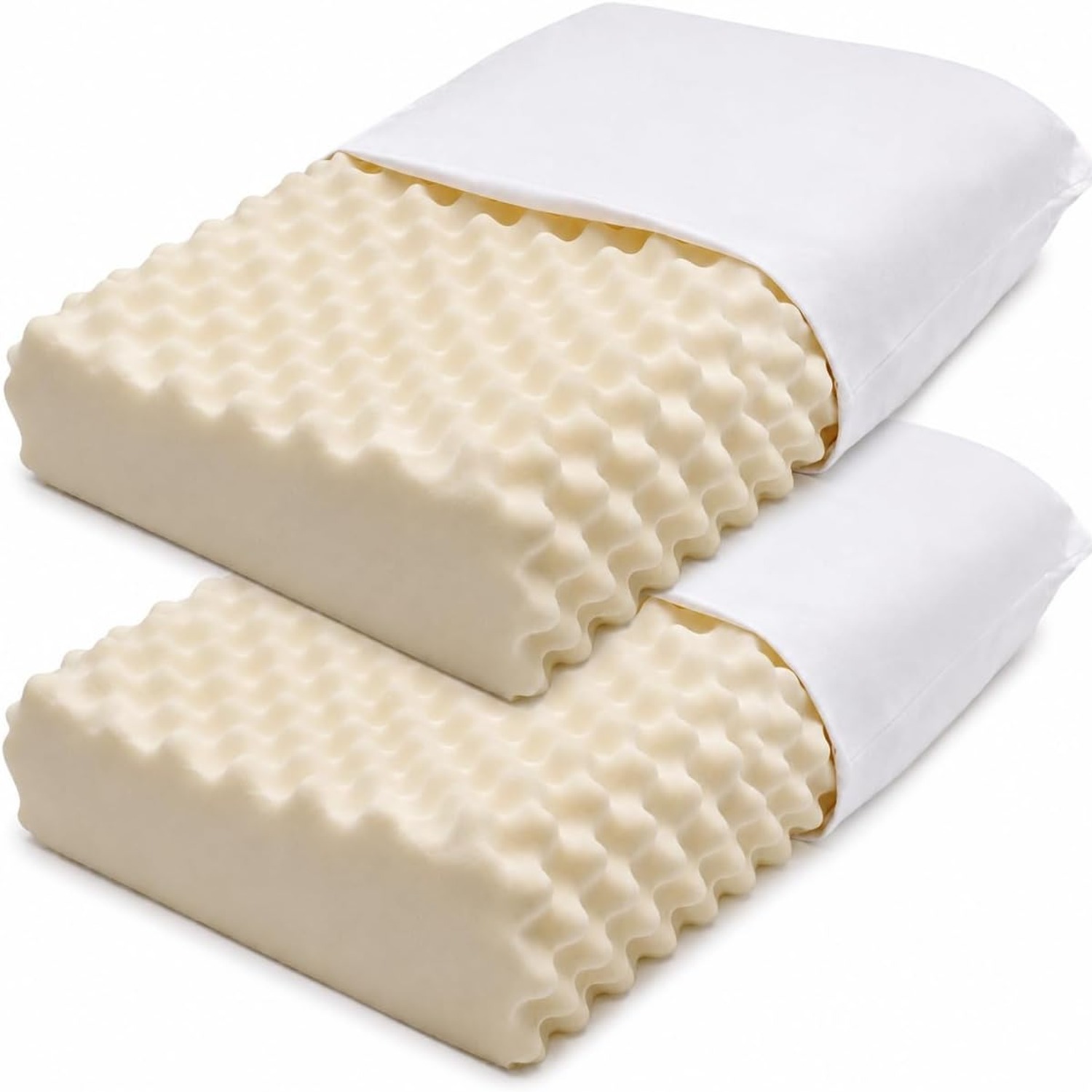
That is the gap a contour pillow is meant to close. Instead of one flat surface, it has a molded profile with a raised edge and a lower middle. The raised edge is the bit that goes under your neck. The hollow takes your head. It is a simple idea and it has been used in cervical pillows for decades, but the material you make it from changes how well it actually works.
Why latex rather than foam or fiber
Fiber fill is cheap and soft, and it loses shape fast. Press it and it stays pressed. Within a few months a fiber contour pillow is no longer a contour, just a lumpy rectangle.
Memory foam holds shape well but it works by softening with body heat, which means two things. It gets warm, and it responds slowly. Shift position at night and you lie on a dent for a moment before the foam catches up.
Latex behaves differently. It is elastic. Push it and it pushes back immediately, and when you let go it returns to the original shape straight away. For a contour pillow that is the useful property, because the whole value of the pillow lives in its shape. If the shape goes, so does the support.
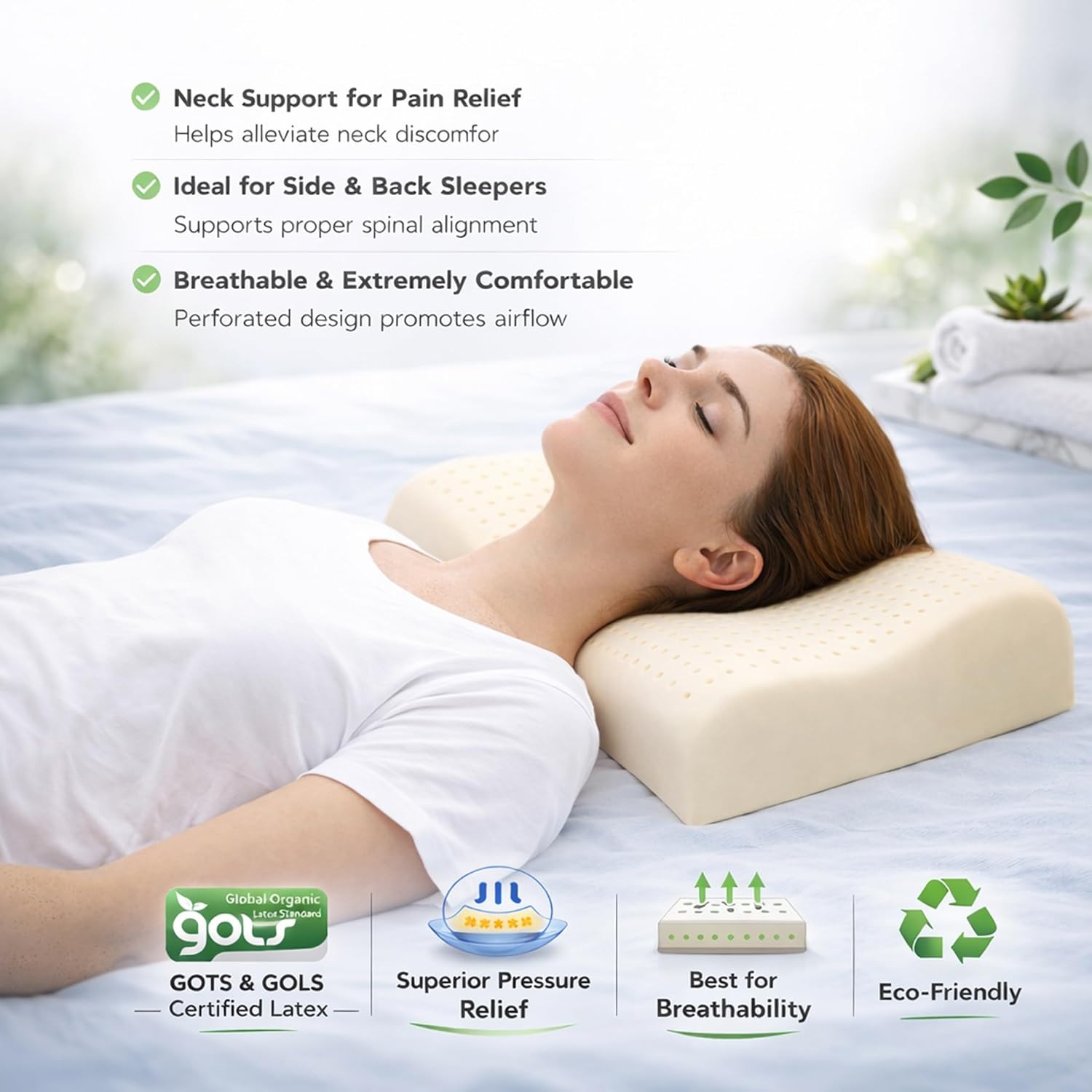
This pillow uses 100% organic latex certified to the Global Organic Latex Standard, usually shortened to GOLS. That standard applies to products made from organically grown natural rubber, and it covers the growing and processing side rather than simply labelling the end product. If organic credentials matter to you, that certification is the thing worth checking, because the word natural on its own means very little in bedding.
Heat, airflow and why ventilation holes matter
Solid blocks of foam are good insulators. That is lovely in a loft conversion and unhelpful under your head. Body heat builds in the surface you are lying on, the material warms, and at some point in the small hours you flip the pillow to find the cool side.
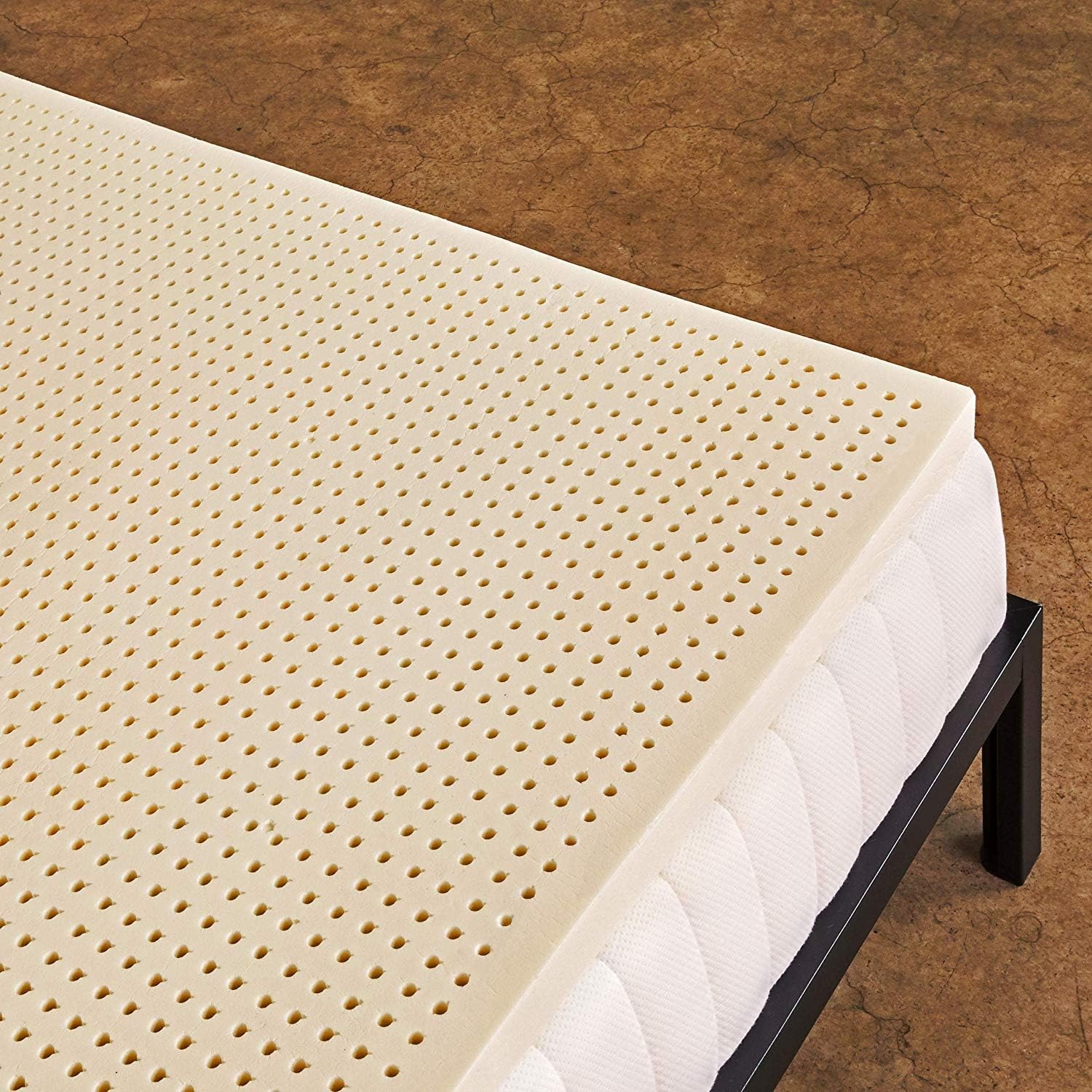
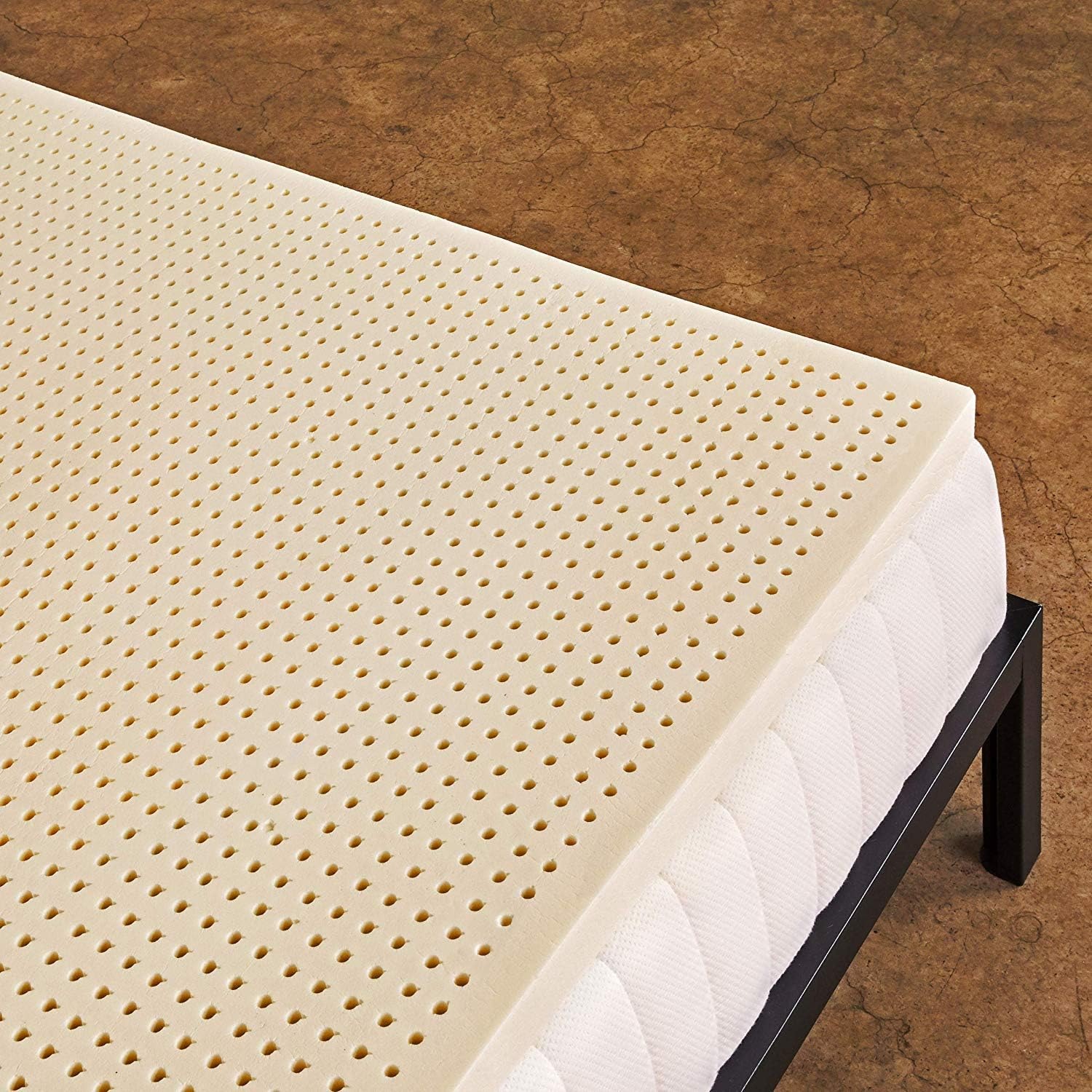
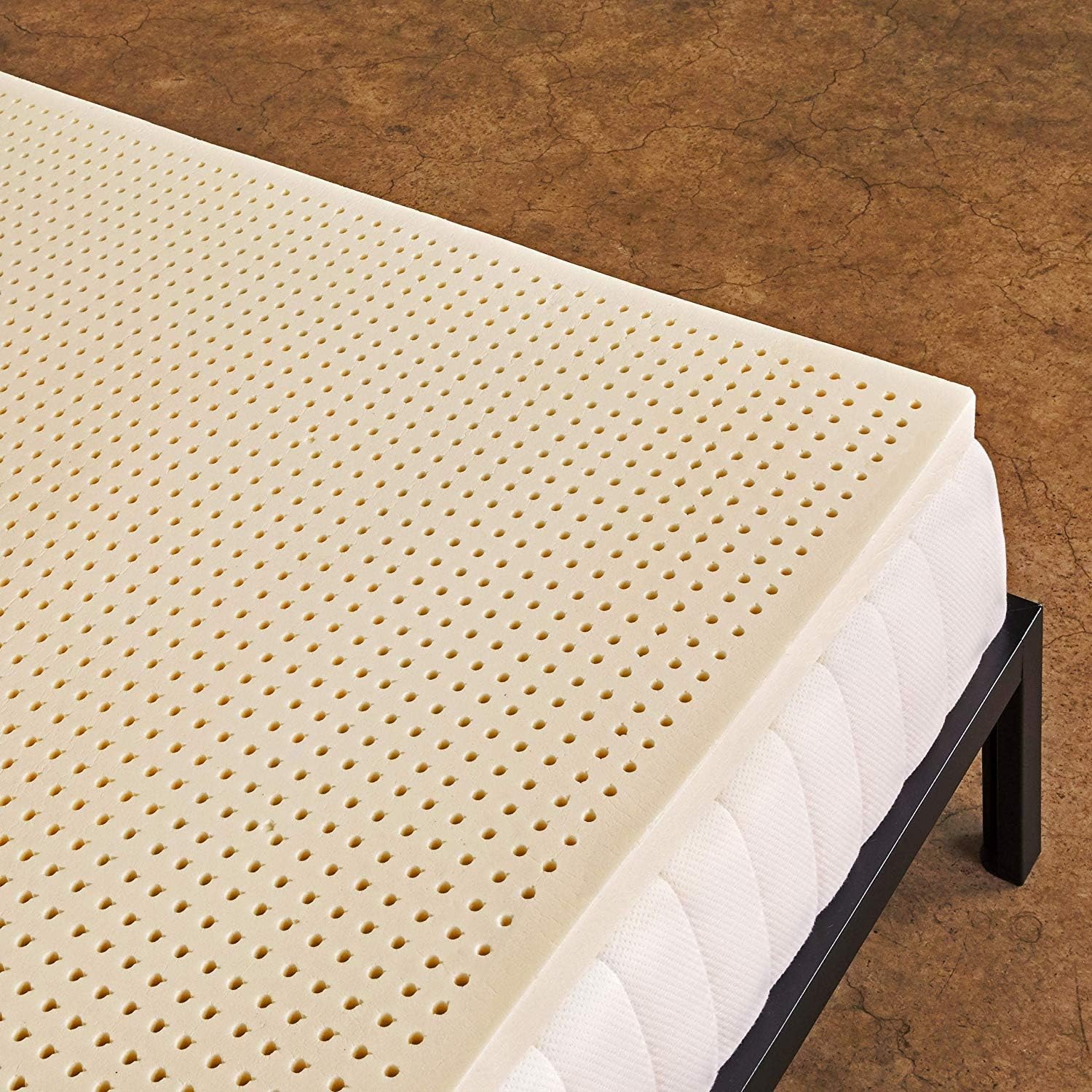
The core in this pillow is made with ventilation pin holes running through the latex. They give trapped air somewhere to go, so heat moves out of the pillow rather than pooling. It is not air conditioning, but it is a real, measurable difference compared with a sealed slab.
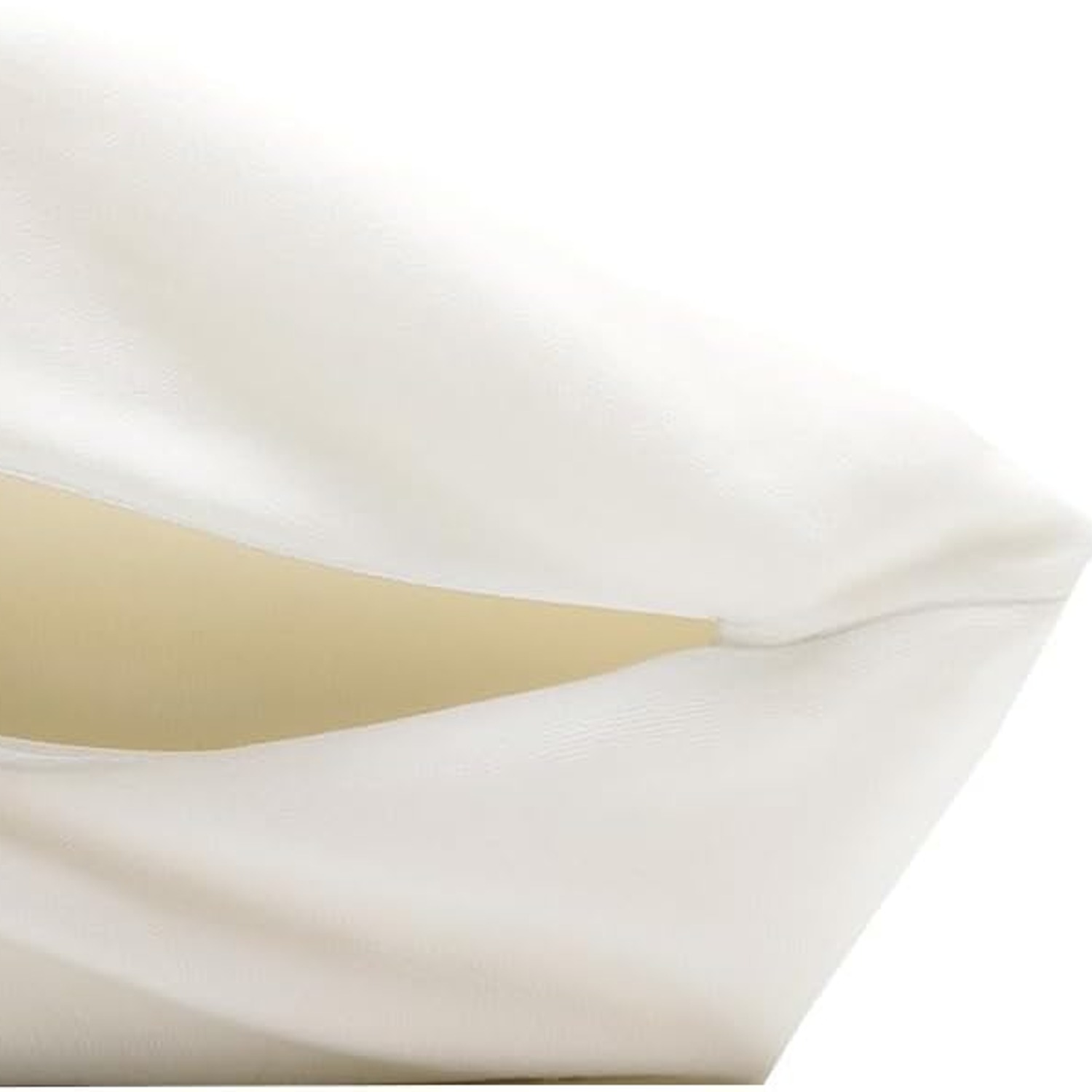
The cover helps too. It is 100% organic cotton, GOTS certified, and cotton moves moisture and air far better than a polyester knit. Together, that is why this sits in the conversation when people go looking for the best cooling latex pillow. If you run hot at night, both the ventilated core and the cotton cover are doing useful work.
Who this shape suits
Side sleepers are the clearest fit. You have the biggest gap to fill because your shoulder holds your head well off the mattress, and that gap gets bigger the broader your shoulders are. This pillow is listed as high-loft, which is the right category for side sleeping. The ridge under the neck keeps your head level with your spine rather than drooping toward the bed.
Back sleepers are the second group it is made for. On your back you need less overall height but a defined support under the cervical curve. The ridge does that, and the hollow stops your head being tipped forward into your chest, which is what happens on a thick flat pillow.
Front sleepers are the exception. If you sleep face down, your head is already turned and any raised profile makes the angle worse. A very low flat pillow, or none at all, suits that position better. There is no contour pillow on the market that gets around that geometry.
It is also worth thinking about your mattress. A soft mattress lets your shoulder sink in, which reduces the gap and makes a high pillow feel too tall. A firm mattress keeps your shoulder up and makes the same pillow feel right. If you have recently changed mattresses and your pillow stopped working, that is usually why.
Loft, firmness and getting the fit right
The listed firmness here is soft. That word can mislead when it comes to latex. Soft latex is not squashy like down. It has give at the surface but it still supports underneath, because the material resists compression the deeper you press. In practice it means your head settles in a little rather than perching on top.
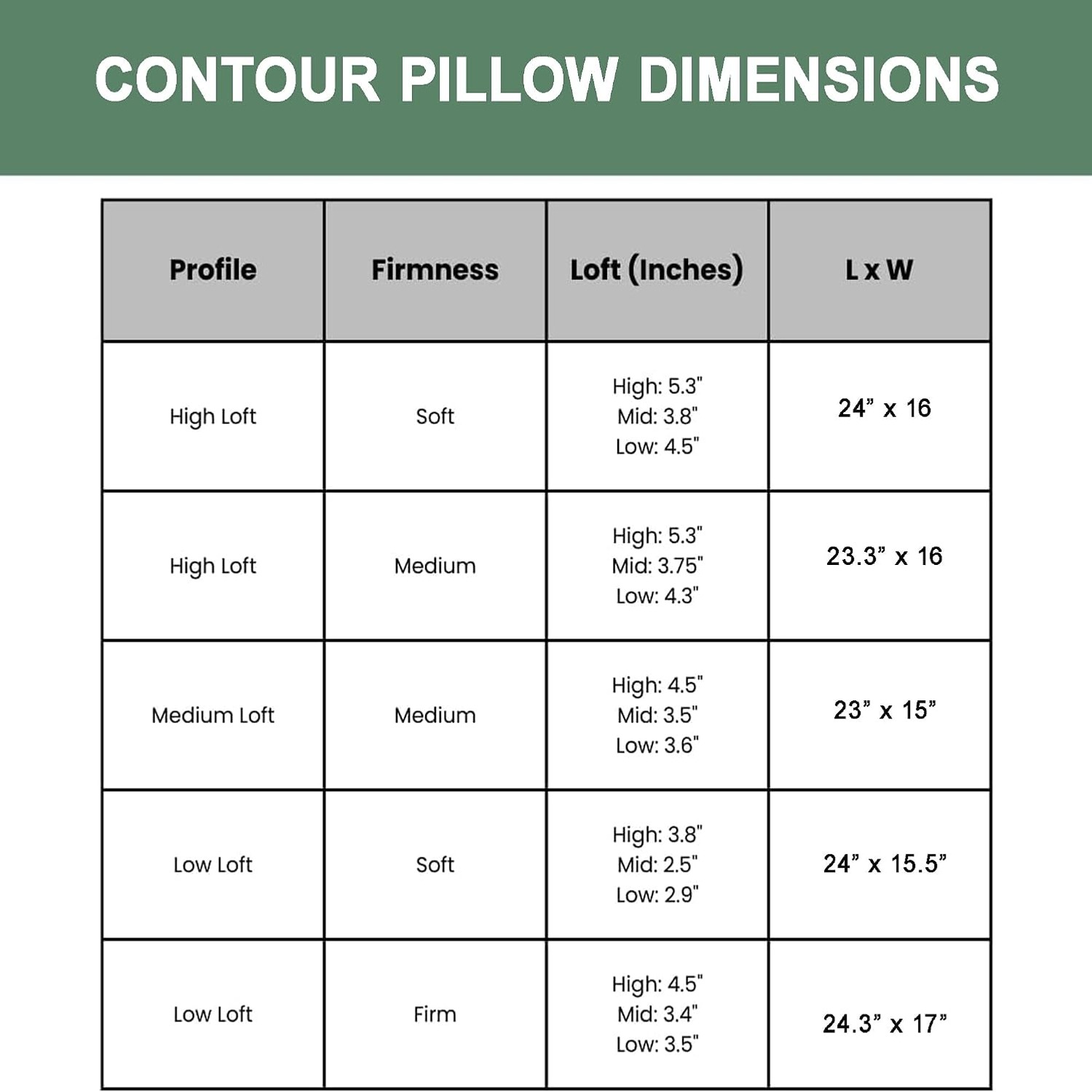
Loft is the dimension to think hardest about. Measure, roughly, the distance from the side of your neck to the point of your shoulder while standing. That is close to the height you need when lying on your side. Broad shoulders need high loft. Narrow shoulders usually do better lower. Anyone shopping for the best latex pillow for side sleepers should be comparing loft before anything else, because it is the single factor that decides whether the pillow works.
Give yourself a settling-in period. Changing pillow shape changes how your neck is held, and muscles that have adapted to being slightly bent for years will notice. A week or two of nights is a fair trial. Judging a contour pillow on the first morning is like judging new shoes after one walk.
Looking after it
The care instruction is simple. Spot clean the latex core, wash the cover separately. Do not put the latex in a washing machine, do not soak it, and do not tumble dry it. Water gets into the cells and never properly leaves, and heat makes natural rubber break down and crumble.
Sunlight is the other enemy. UV degrades latex, so air the pillow in a shaded, ventilated spot rather than on a sunny windowsill. A few hours with the cover off, once every month or two, keeps everything fresh.
Use a pillowcase over the organic cotton cover. That gives you a layer you can wash weekly without touching the cover itself, and it keeps hair products and skin oils off the cotton. Contour shapes do not always sit neatly in a standard case, so a case cut for cervical pillows is a small purchase that makes a difference.
Handle it by the body rather than by one corner. Latex is tough but pulling hard on an edge can tear it, particularly around the ventilation holes.
What you are actually paying for
Latex pillows cost more than fiber pillows, and the reason is straightforward. You are buying a material that keeps its shape for years instead of months, plus an organic certification on both the fill and the cover. Over the life of the pillow the maths often works out in favour of latex, because you are not replacing a flattened fiber pillow every eighteen months.
The organic side is worth something on its own if you care what sits against your face all night. The fill is GOLS certified, the cover is GOTS certified organic cotton, and both of those are third-party standards rather than claims.
The short version
This is a high-loft contour pillow with a GOLS certified organic latex core, ventilation pin holes for airflow, and a removable organic cotton cover. It measures 24 inches by 16 inches, weighs 5 pounds, and is listed as soft in firmness.
It suits side and back sleepers who want their neck properly supported and who do not want to sleep hot. It does not suit front sleepers. Give it a couple of weeks to feel normal, keep it out of the washing machine and the sun, and it should hold its shape for a long time.