




The complete guide
How to Choose a Talalay Latex Pillow (King, High Profile)
The problem with most pillows
You buy a pillow. It feels great in the shop or looks great in the photos. Three months later you are folding it in half at 2am, or stacking it on top of an old one, or punching it back into shape every time you roll over. The pillow has not broken exactly. It has just stopped doing the one job it had, which is holding your head at the right height.
That slow collapse is normal for fiber and down fills. They work by trapping air between soft strands, and every night you squash some of that air out permanently. Latex works on a different principle. It is an elastic material with air pockets built into its structure, so when you lift your head the material springs back rather than staying squashed. That is the single biggest reason people try a natural latex pillow and then do not go back.
What Talalay latex actually is
Latex comes from the sap of the rubber tree. To turn that liquid into a pillow, it has to be foamed and set, and there are two main ways of doing it.
The Dunlop method pours the foamed latex into a mold and bakes it. Gravity pulls the heavier particles down during curing, so Dunlop latex tends to be denser at the bottom and firmer overall.
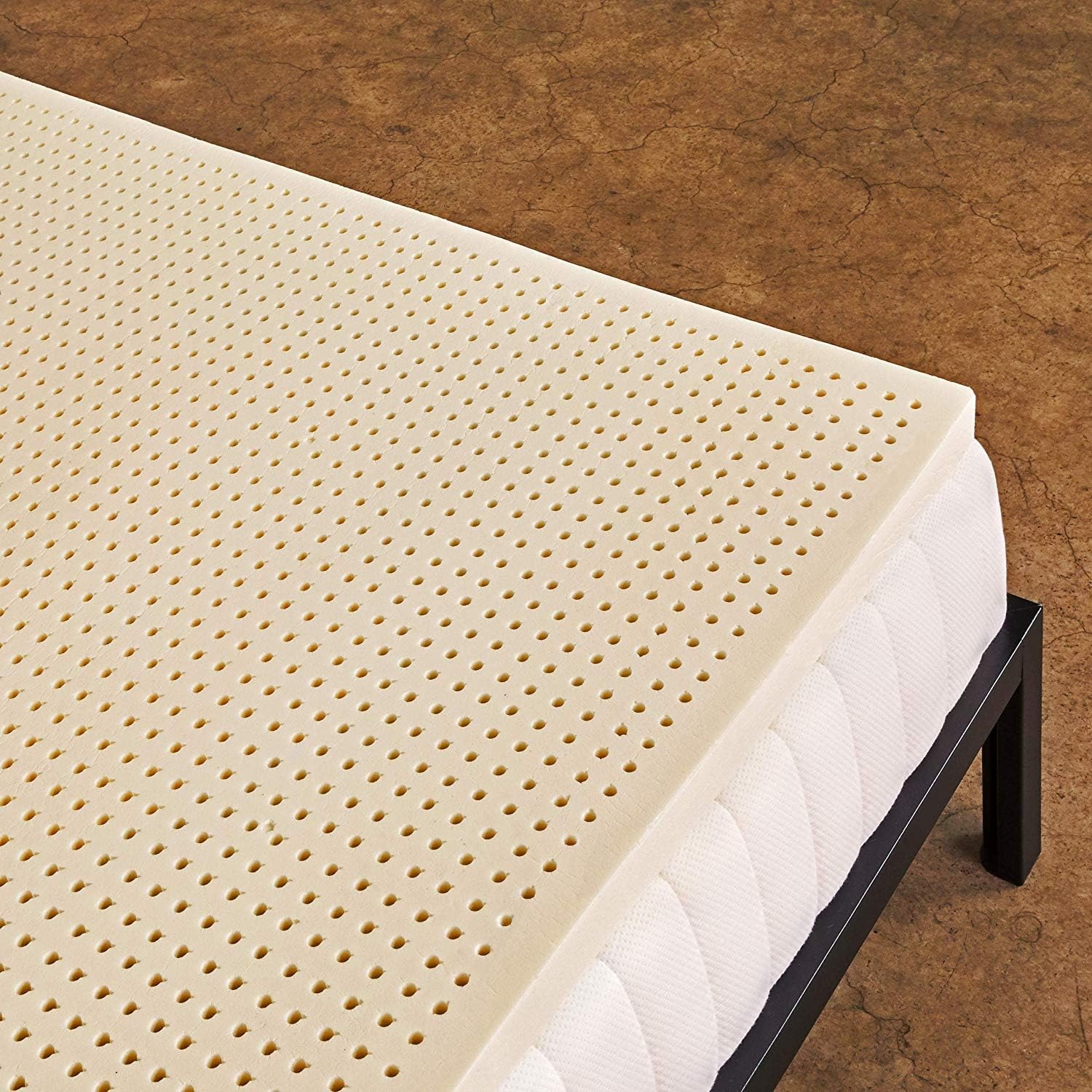
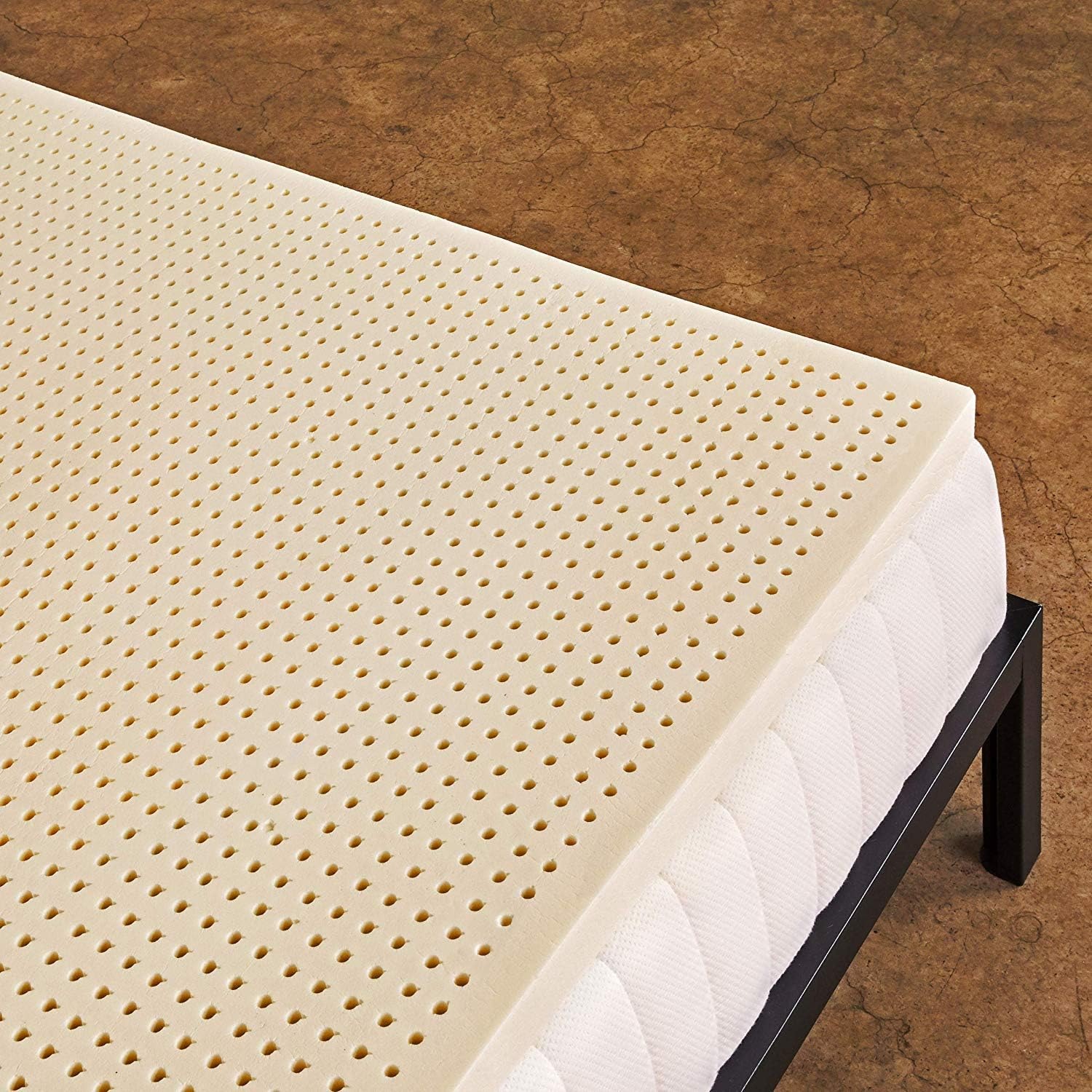
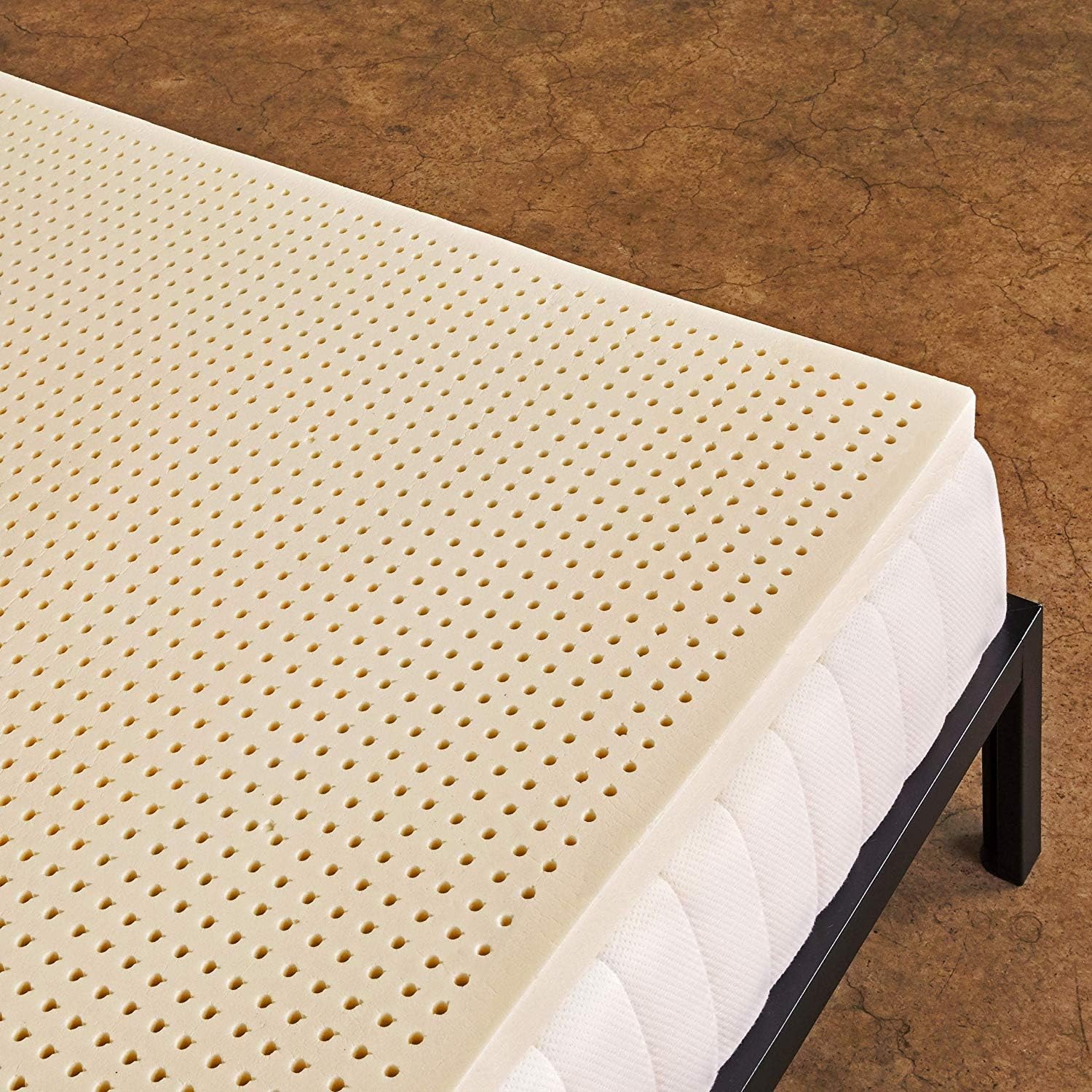
The Talalay method adds two steps. The mold is only partly filled, then sealed and vacuumed so the latex expands to fill the space. It is then flash frozen before baking. Freezing locks the cell structure in place before anything can settle, which is why Talalay latex is lighter, more even from top to bottom, and generally a touch softer at the same firmness rating.
For a pillow, that evenness matters. Your head sits in one spot for hours, so you want the support under your ear to feel the same as the support under the back of your skull.
Why loft is the decision that matters most
Firmness gets most of the attention, but loft (the height of the pillow) is what actually determines whether your neck is comfortable.
Picture yourself lying on your side. Your head is roughly the width of your shoulder away from the mattress. If the pillow is too thin, your head drops and your neck bends downward all night. If it is too thick, your head is pushed up and the neck bends the other way. Either one leaves you with that stiff, cranky feeling in the morning.
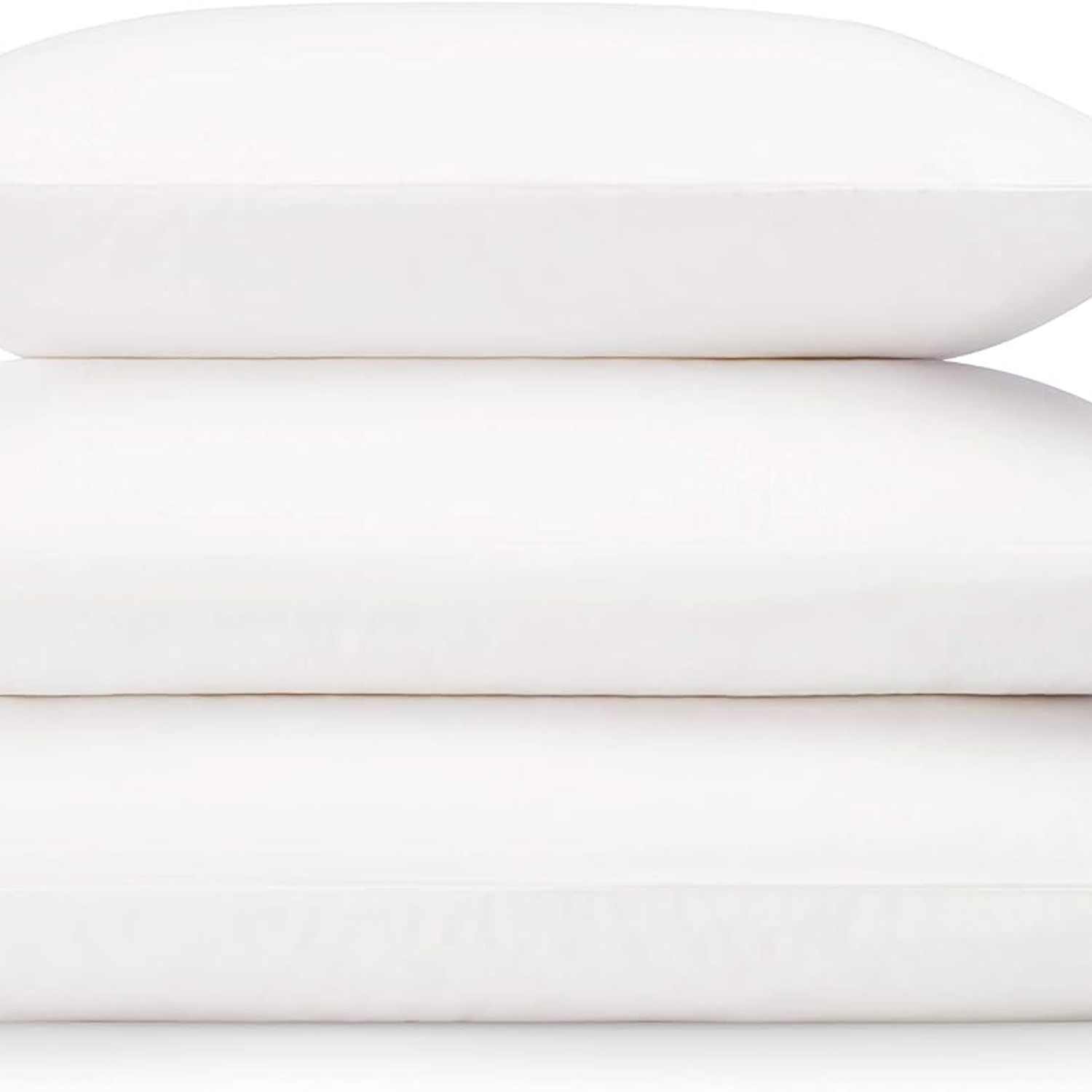
This pillow is a high profile king, 33 inches long and 15.7 inches wide. The high profile loft is aimed at people who need more height, which usually means side sleepers, anyone with broader shoulders, or people on a very firm mattress where the shoulder does not sink in much.
If you sleep mostly on your back with narrow shoulders, a high profile pillow can be too much. If you sleep on your stomach, it is almost certainly too much. Be honest about how you actually sleep rather than how you think you sleep, or ask whoever shares the bed, because they usually know.
Firmness, and what medium really feels like
This pillow is rated medium. In latex terms, medium means it gives under your head but does not let you sink to the bottom. You get a clear sense of the pillow pushing back.
If you are coming from a soft down pillow, medium latex will feel firm on the first night. That is normal. Your neck has adapted to the old pillow, and it takes a few sleeps to adjust. Most people settle in within a week. If you still feel propped up after two weeks, the loft is probably the issue rather than the firmness.
People searching for the best medium firm pillow usually want exactly this balance, enough support to keep the spine aligned without the board-like feel of a firm foam block.
Heat, airflow and why latex runs cooler
Solid memory foam has a reputation for sleeping warm, and that reputation is fair. It is a dense material with little room for air to move, and it softens as it warms up, so your head sinks further into the warm spot it just created.
Talalay latex is full of interconnected open cells. Air can actually travel through the material rather than sitting trapped inside it. Every time you move your head, the pillow flexes and pushes a little air through.
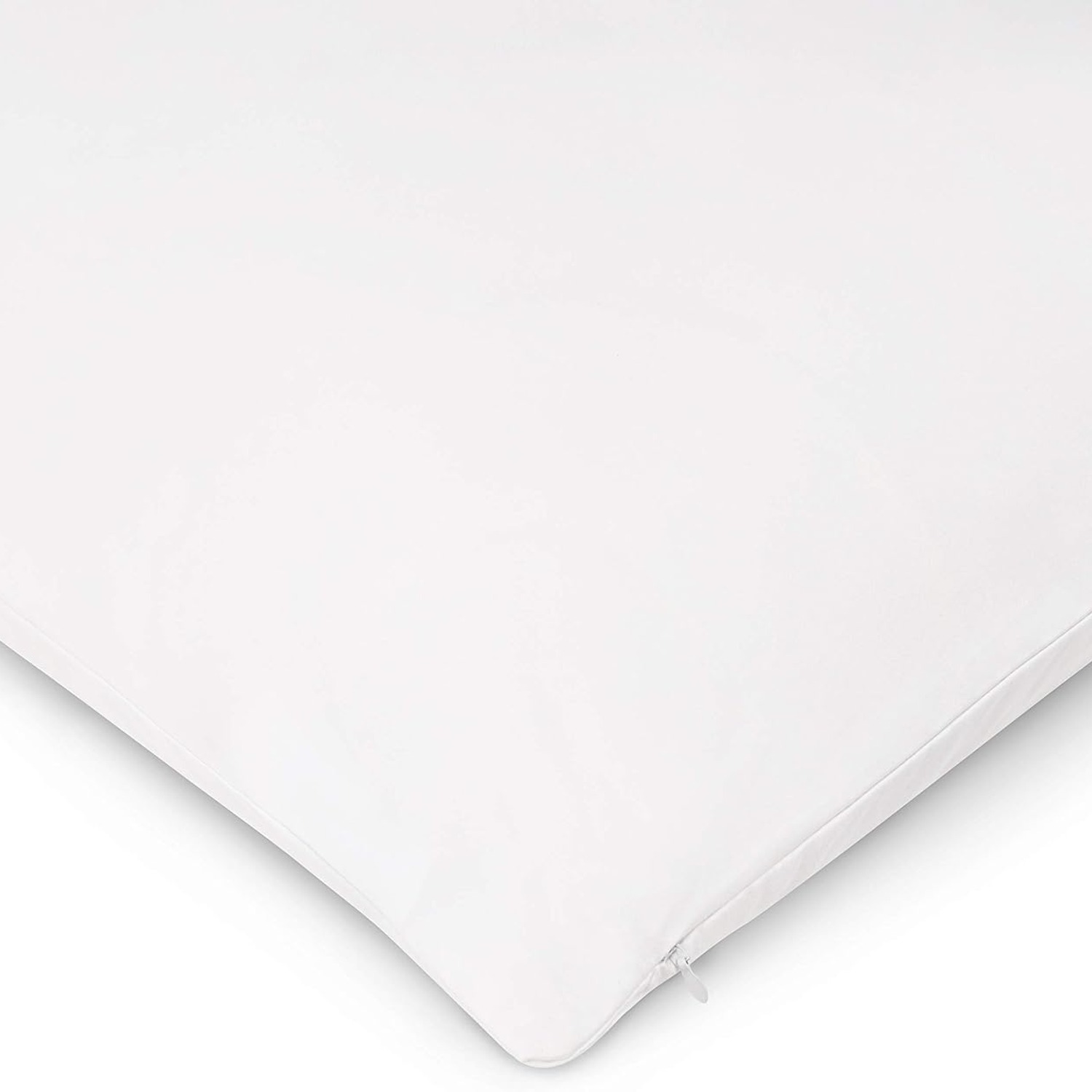
The cover helps too. This one is 100% cotton sateen at 400 thread count. Cotton breathes and moves moisture away better than most synthetic covers, and sateen weave gives it a smooth, cool-to-the-touch finish. If you run hot at night, that combination of open cell latex and a cotton cover is the practical answer, and it is why latex keeps coming up in searches for the best breathable bed pillow.
Weight, and why it is a good sign
At 4.1 pounds, this pillow is heavier than most people expect. Solid latex is simply a denser material than feathers or polyester fiber.
That weight is actually useful information. A pillow that claims latex content but weighs very little usually has a thin latex layer over a cheaper filler. A full solid Talalay core has heft. The practical side effect is that the pillow stays where you put it instead of migrating off the bed overnight.
Looking after it
The care routine is simple, and the main rule is to keep water away from the core.
The cotton sateen cover comes off and goes in the machine. Wash it cool on a gentle cycle and dry it low or on the line. Doing that every few weeks keeps things fresh.
The latex core itself should never go in the washing machine or the dryer. Water soaks in and is very hard to get out, and heat damages the latex structure. If something spills, blot it, spot clean with a damp cloth and a touch of mild soap, then let it air dry fully in a shaded, airy spot. Sunlight is not latex's friend either, so avoid drying it on a hot windowsill.
A fitted liner is included under the cover, and adding a king size pillow protector on top is a cheap way to make the whole thing last longer. Air the pillow out every few weeks by pulling back the bedding for an hour in the morning.
Who this suits, and who it does not
It suits side sleepers who need real height under the head. It suits people with broad shoulders. It suits anyone who runs warm at night and has given up on memory foam. It suits people who are tired of replacing flat pillows every year and want something that holds its shape.
It is less suited to stomach sleepers, who need a low soft pillow. It is less suited to small-framed back sleepers who may find high profile too tall. And anyone with a diagnosed latex allergy should check with a doctor before going anywhere near it.
The short version
This is a king size, high profile, medium firm pillow with a 100% Talalay latex core and a washable 400 thread count cotton sateen cover, weighing 4.1 pounds. The latex springs back instead of flattening, the open cell structure lets air through so it does not bake under your head, and the loft is built for side sleeping and broader shoulders.
Get the loft right and the rest tends to take care of itself. If you are unsure, tell us how you sleep and we will help you work out the height that fits.