


The complete guide
How to Choose an Organic Latex Pillow (and Get the Firmness Right)
The pillow problem nobody talks about
Mattresses get all the attention. People will research one for six weeks, read a dozen reviews, lie on four of them in a showroom, then go home and sleep on a pillow they bought on sale in 2019 and have never thought about since.
That is backwards. Your pillow is the thing holding up your head, which is around 5 kg of weight sitting on the most mobile part of your spine. Get it wrong and you wake up with a stiff neck, a sore shoulder, or that low-grade ache behind the ear that you blame on stress. Get it right and you stop noticing your pillow entirely, which is exactly the point.
The usual failure is height loss. A polyester or fiber-filled pillow starts at a decent loft, then the fill migrates and compacts. Six months in, it is two thirds the height it was. You do not notice this happening because it is slow, so you just quietly start folding it in half, or stacking a second one underneath, or waking up at 3am and not knowing why.
Why latex behaves differently
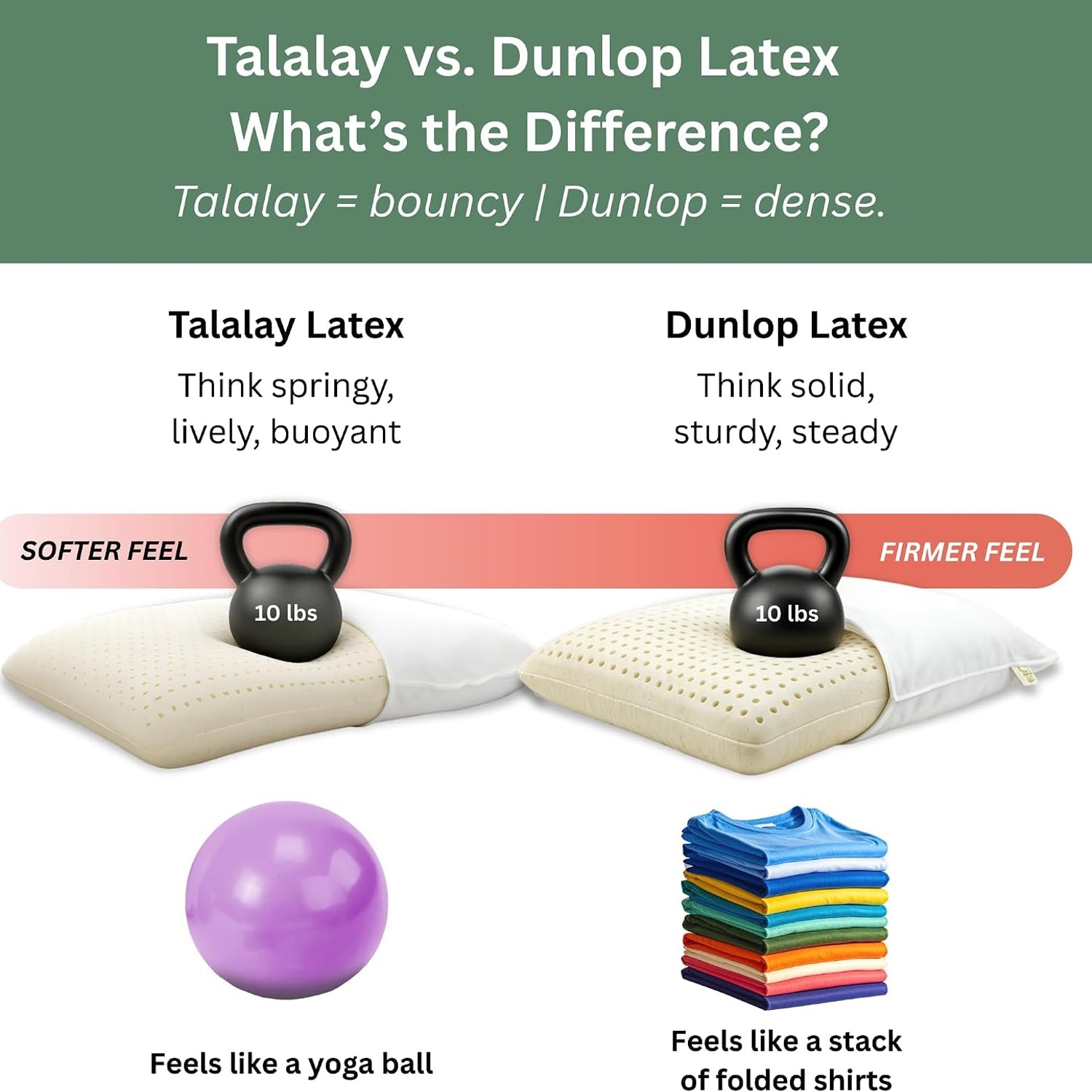
Latex foam is closer to a spring than a stuffing. Press into it and it pushes back, and when you lift your head it returns to its own shape without any help from you. There is no fluffing, no shaking it out in the morning, no redistributing clumps.
That resilience is the whole argument for latex. It is why the material gets described as durable, and why a latex core typically holds a usable shape for years rather than months. It costs more up front than a bag of polyester fiber. Divided over the time you actually use it, the maths usually goes the other way.
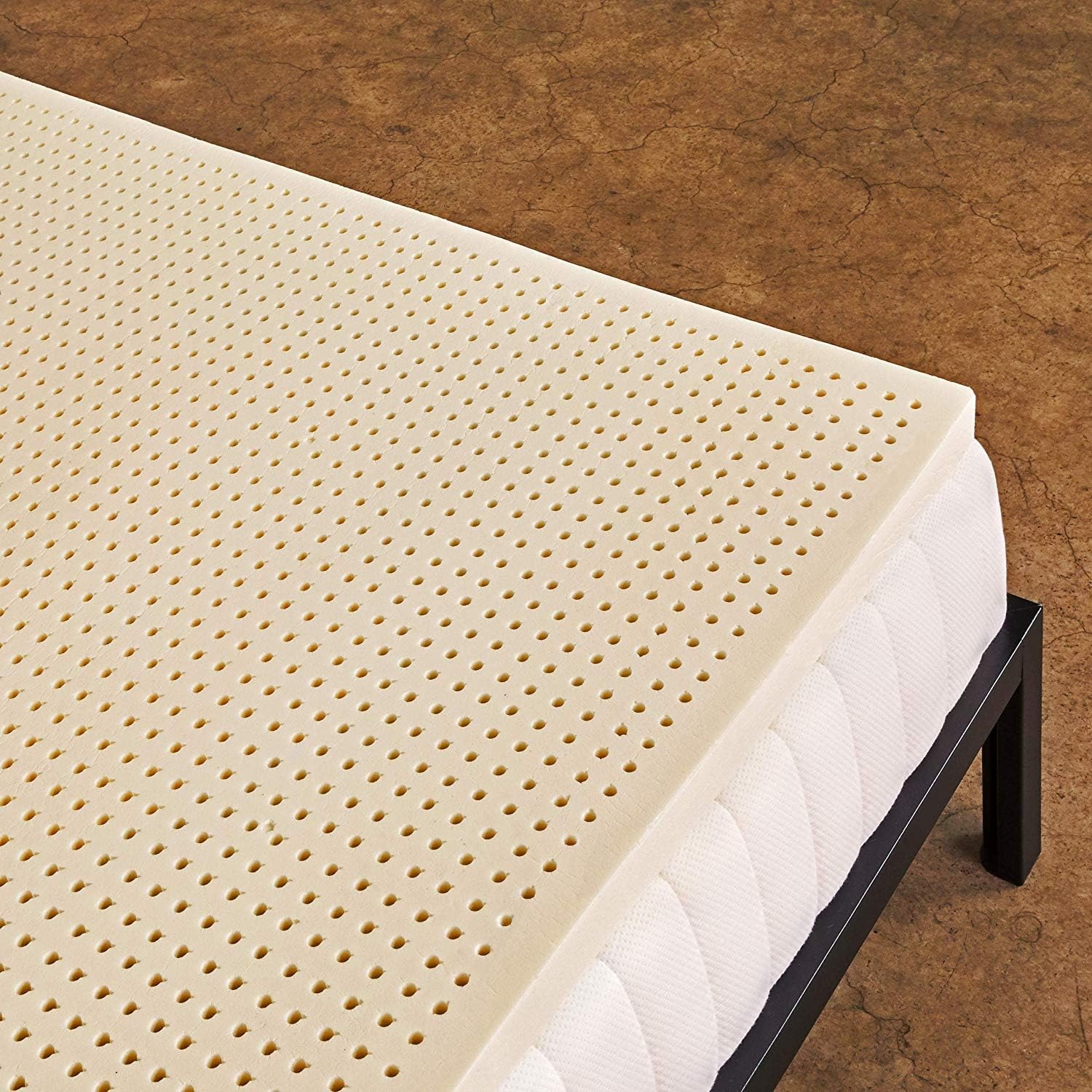
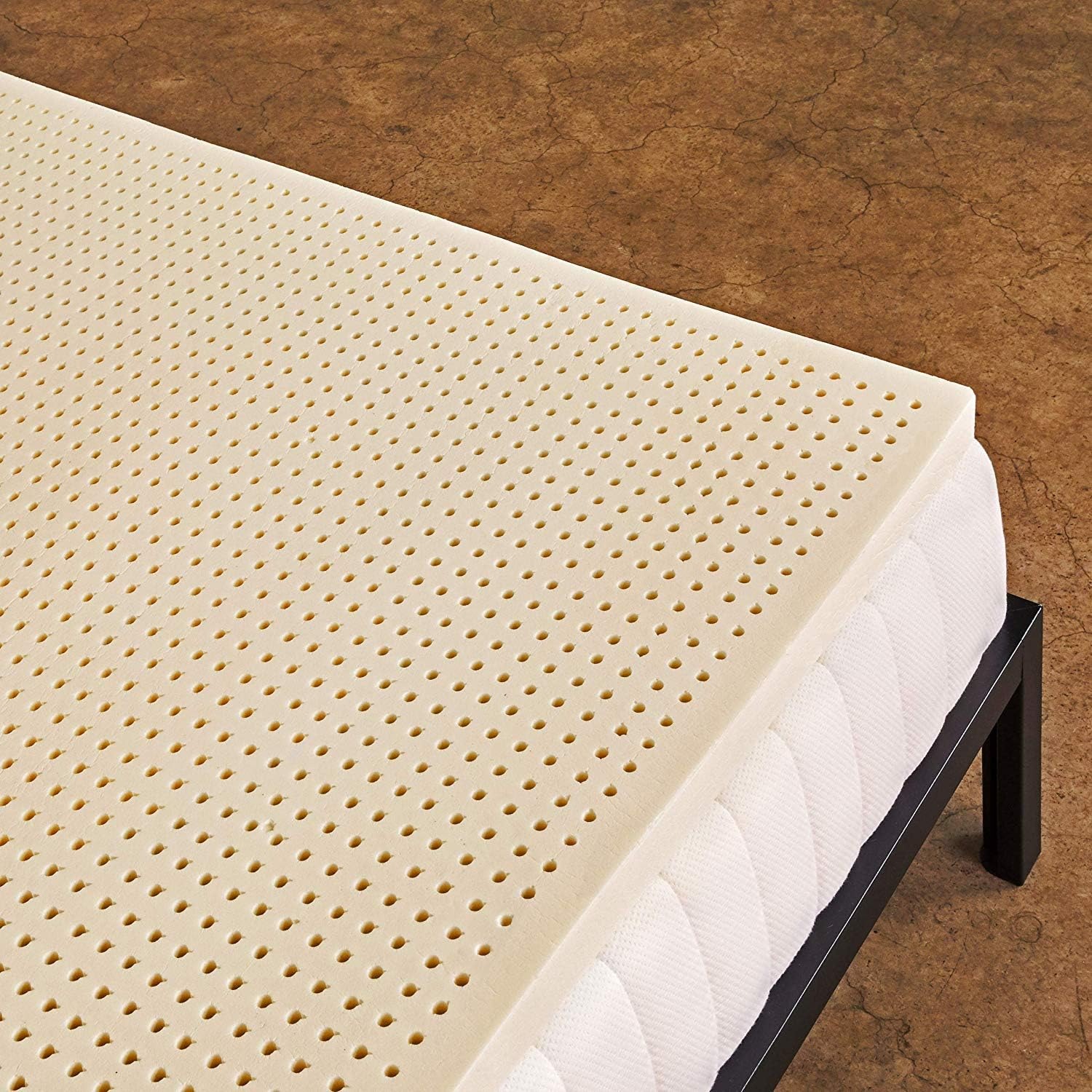
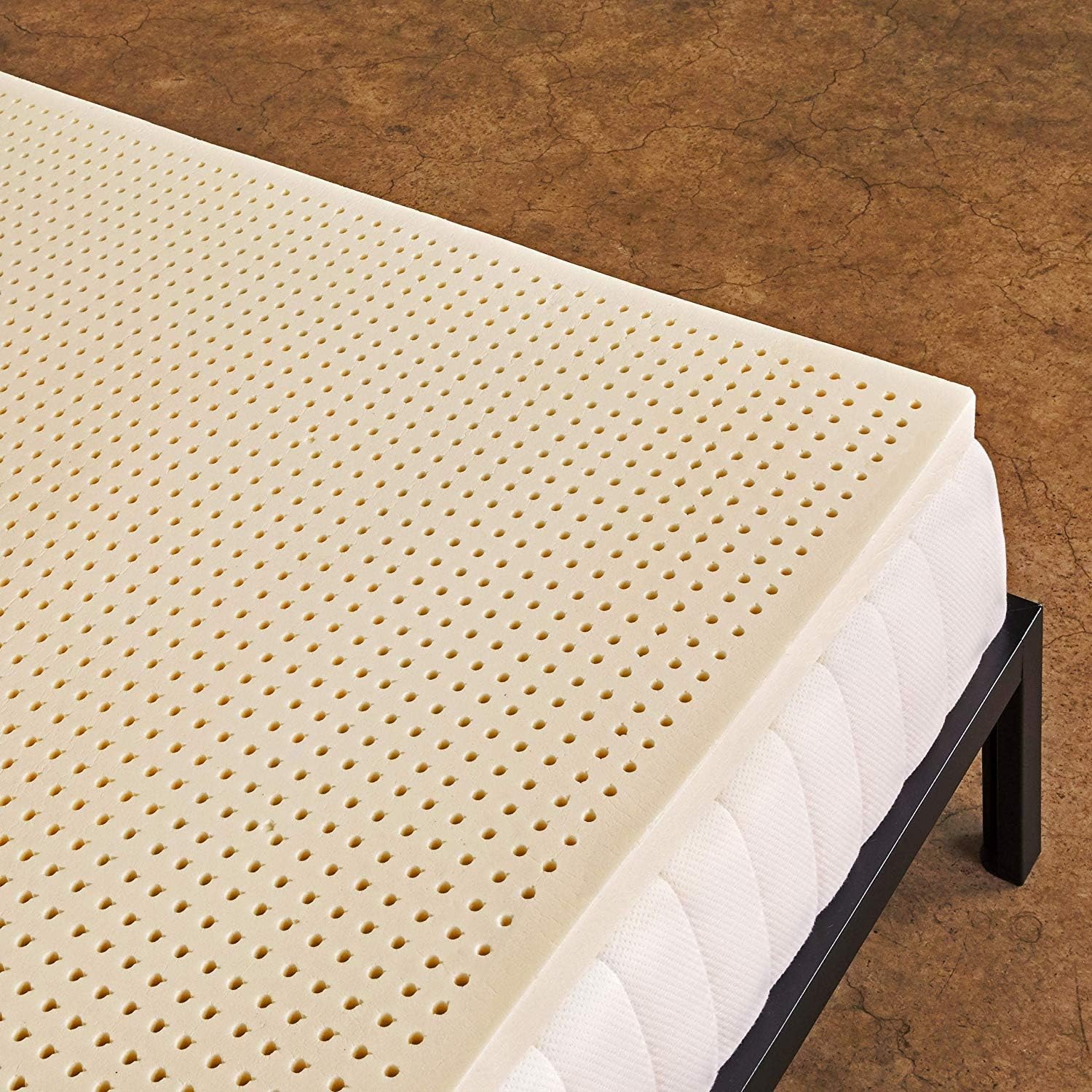
The trade-off is that solid foam holds warmth. That is why this pillow uses pin-hole ventilation, small channels running through the latex core. When your head presses down, air gets pushed out through those holes, and when you shift, fresh air comes back in. It turns a solid block into something that breathes. Pair that with a cotton cover and you have a setup that suits people who have spent years flipping to the cool side.
Getting the firmness right
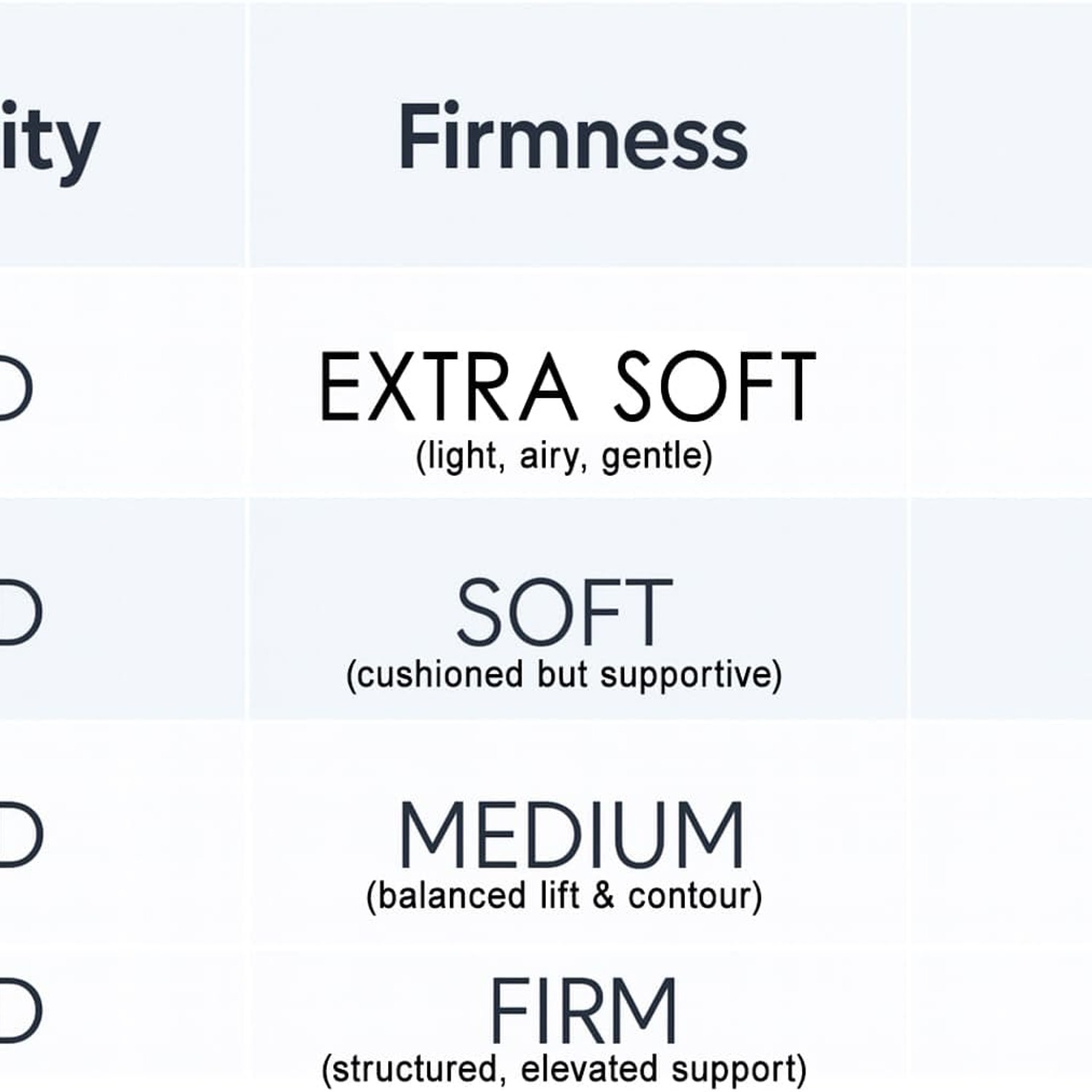
Firmness here is medium, and medium is the setting that works for the widest range of people. Here is the simple way to think about it.
Your goal is to keep your head roughly in line with your spine, not tipped up and not sagging down. How much pillow you need to do that depends on the gap between your mattress and your head, which depends on how you sleep.
Side sleepers have the biggest gap, because your shoulder lifts your head well above the mattress. They need the most height and usually the most support. Back sleepers have a smaller gap and need less. Stomach sleepers have almost no gap at all and generally want the flattest pillow they can get away with.
A medium latex pillow at 6.5 inches handles side and back sleeping comfortably for most adults. That matters because almost nobody holds one position all night. You start on your back, roll to your side, maybe end up half on your front. A medium pillow does not punish you for moving.
If you are strictly a stomach sleeper, this is probably more pillow than you want. If you have very broad shoulders and sleep exclusively on your side, you might want to go taller or firmer. Everyone else sits comfortably in the middle.
The cover is not an afterthought
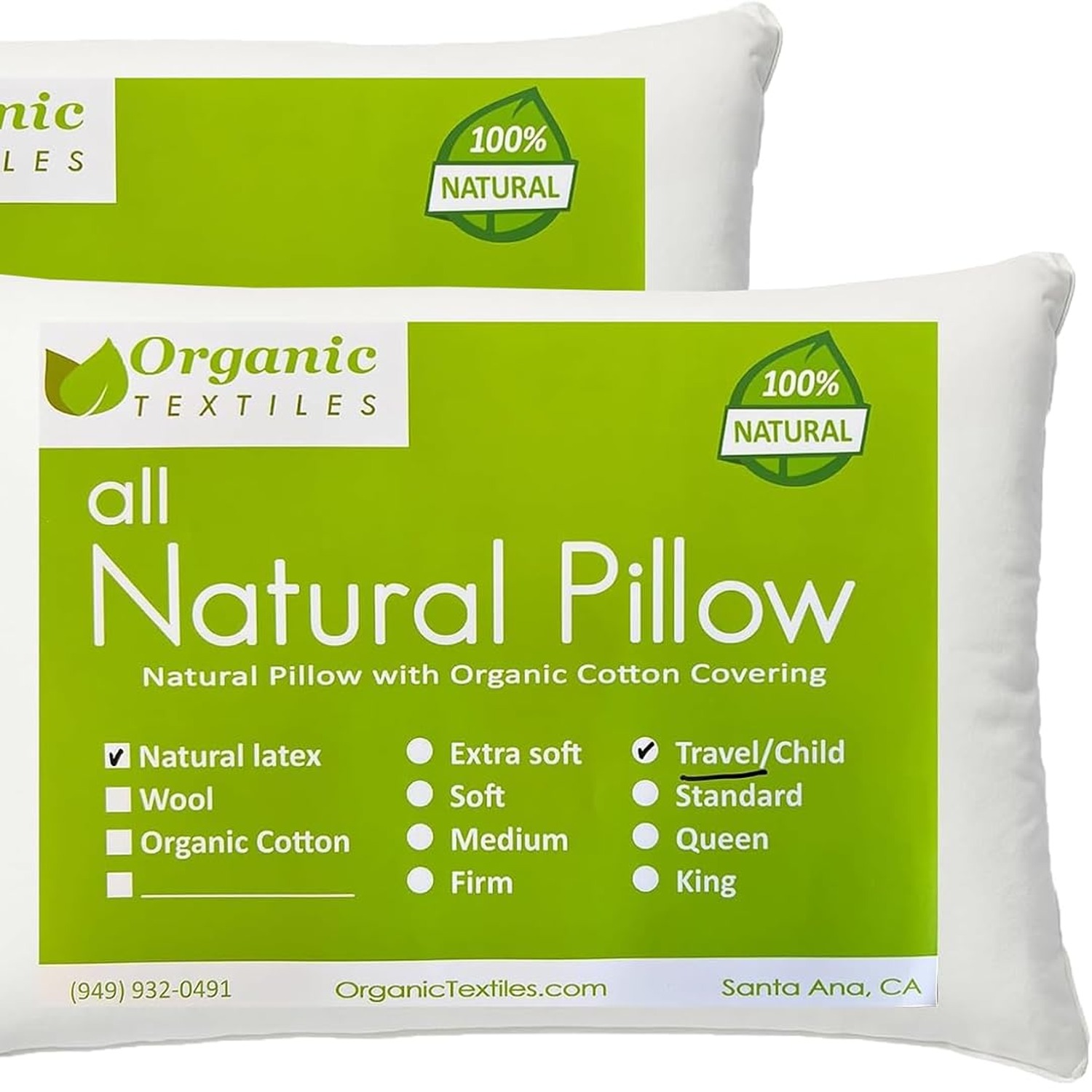
The cover on this pillow is 100% organic cotton, 350 thread count, certified to the GOTS standard. Two things make that worth paying attention to.
First, the material. Cotton moves moisture and air better than most synthetics, so the surface next to your face does not get clammy. 350 thread count is a nice middle ground, dense enough to feel smooth but not so tightly woven that it stops breathing.
Second, it comes off. You can pull the cover and run it through a normal wash cycle on gentle, cool or warm water, then tumble it low or hang it out. The latex core itself never goes near a washing machine, which is true of every latex pillow on the market. Water and spin cycles damage the foam structure.
This is the single most useful care feature a pillow can have. A pillow absorbs sweat, skin oils and whatever is in your hair, night after night. Being able to wash the layer that touches you, rather than hoping a pillowcase catches everything, keeps the whole thing fresher for much longer.
GOTS certification on the cotton covers how the fiber is grown and how the fabric is processed, through to the finished textile. If choosing a natural bedding upgrade matters to you, it is a recognized mark rather than a vague claim.
Living with it day to day
A few practical notes.
New latex often has a faint rubbery smell. It is normal and it fades. Leave the pillow somewhere with moving air for a day or two before you start using it and you will barely notice.
Give yourself a week to adjust. Necks are creatures of habit, and switching from a collapsed old pillow to one with real support can feel strange for the first few nights. That strangeness is usually your neck being held in a position it has not been in for a while. Most people stop noticing by night four or five.
Use a pillowcase over the cotton cover, and consider a protector underneath it. That gives you two washable layers above the core, which stretches the gap between deeper cleans.
Air the pillow out every few weeks. Strip off the case and cover, leave the core in a ventilated room for a few hours, keep it out of direct sunlight. Sun and high heat are not kind to latex over time.
And do not store it squashed. If you are putting it away for a season, keep it in something breathable and loose rather than vacuum sealed under a bed.
Who this suits, honestly
This is a good match if you sleep on your back, your side, or both, and you want a pillow that stops changing shape on you. It suits people who run warm and want ventilation built into the core rather than bolted on as a cover gimmick. It suits anyone who has decided they are done replacing pillows every eighteen months.
It is less of a match for dedicated stomach sleepers, for anyone with a latex allergy, and for people who genuinely love the squashy, moldable feel of down and want that feel back. Latex does not do squashy. It does steady.
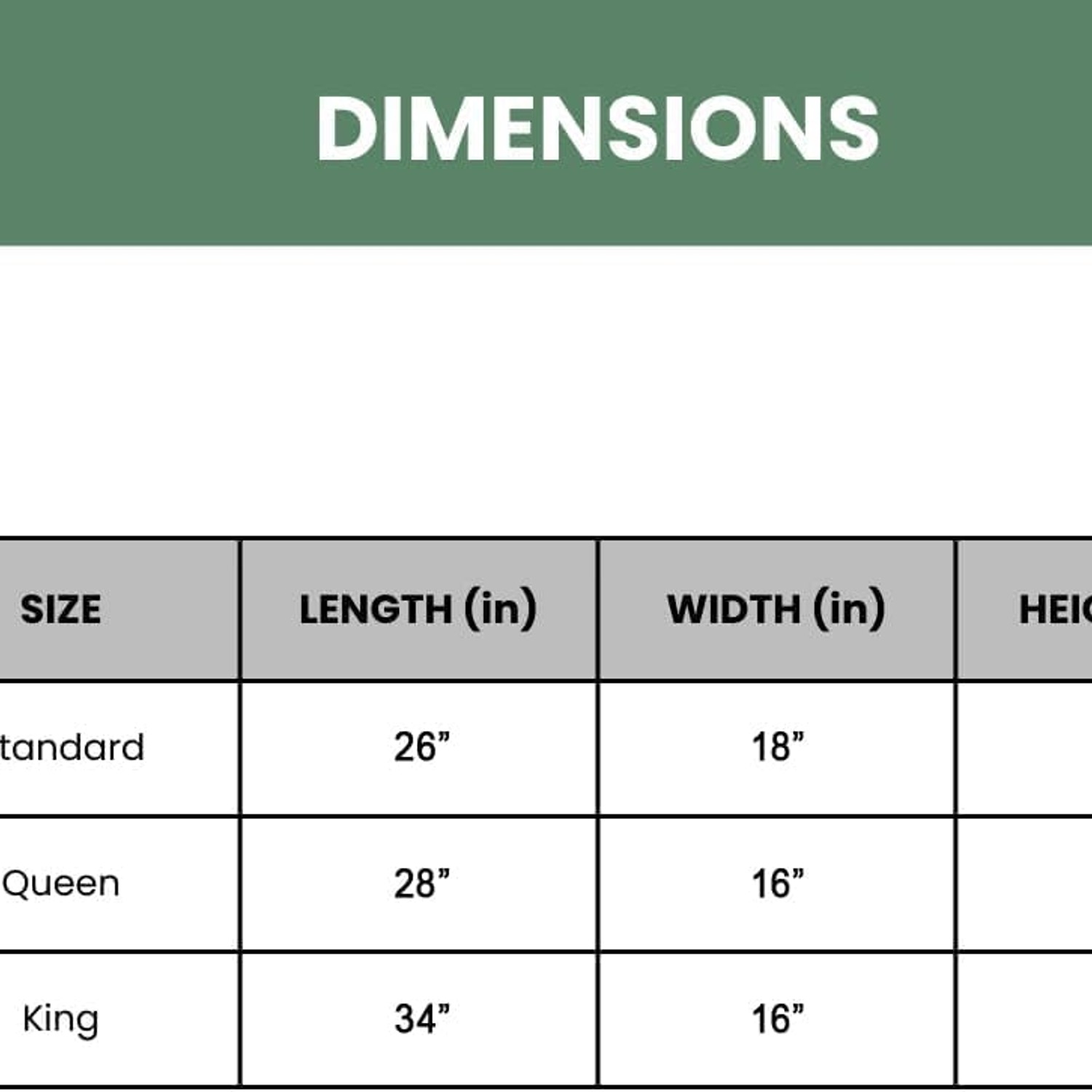
It is also a standard size pillow, 26 by 18 inches. Check your pillowcases before ordering if you have been using queen or king cases out of habit.
The short version
A medium latex pillow with a ventilated core and a washable organic cotton cover is about as low-drama as bedding gets. You buy it, you air it out, you sleep on it, you wash the cover every month or two, and it keeps doing the same job for years.
The firmness is the one decision that actually matters. Medium covers most adults who move around at night. If you only ever sleep one way and you know your preference runs soft or firm, pick accordingly. If you are not sure, medium is where to start.
And if your current pillow stays folded when you fold it, that is your answer. Time for a new one.