



The complete guide
How to Choose a High Profile Latex Pillow
The problem with a pillow that is too short
Most people buy a pillow based on how it feels when they press it with a hand in a shop. That tells you almost nothing. What matters is what happens to your neck once your full head weight is on it and you have been there for six hours.
Lie on your side and look at the gap you are asking the pillow to fill. It runs from the side of your head down to the mattress, and it is roughly as wide as your shoulder. For a lot of adults that is five or six inches, sometimes more if you have broad shoulders or a firm mattress that does not let the shoulder sink.
A standard pillow is nowhere near that tall. So the head drops, the neck bends sideways, and the muscles along the top side of your neck spend the night under a low grade stretch. You wake with a stiff neck or a headache and blame the mattress.
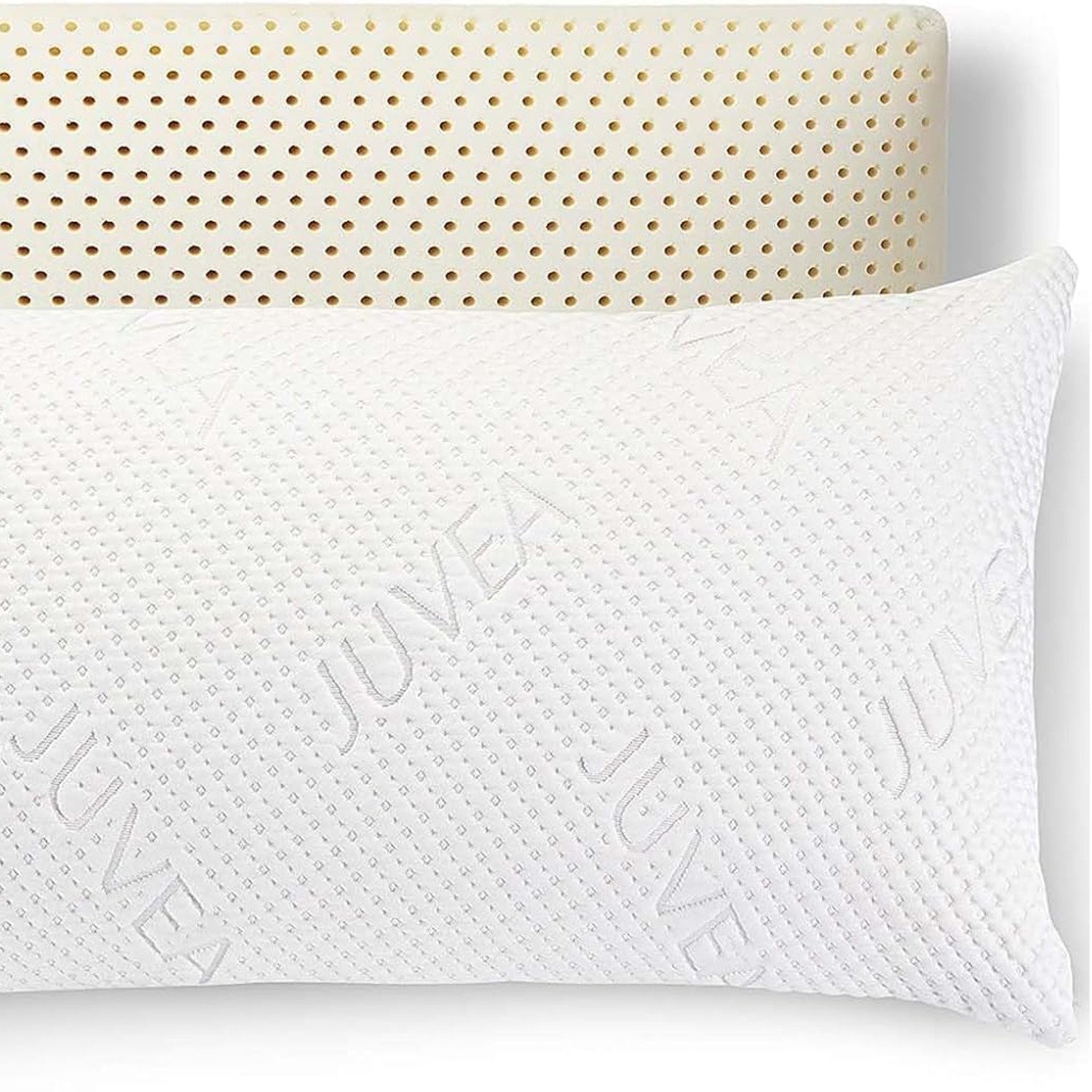
A high profile pillow exists to close that gap. This one is 6.5 inches thick, which is a lot of pillow, and that is the point.
Why latex and not foam or feathers
Fill material changes everything about how a pillow behaves over a night.
Down and fiber fills are soft and lovely for about twenty minutes. Then they compress. The pillow you went to sleep on is half the height by midnight, and you spend the small hours punching it back into shape without really waking up.
Memory foam goes the other way. It softens as it picks up body heat and slowly wraps around the head. Some people love that. Others find it warm and a bit slow, especially if they change position often, because the foam takes a moment to catch up with them.
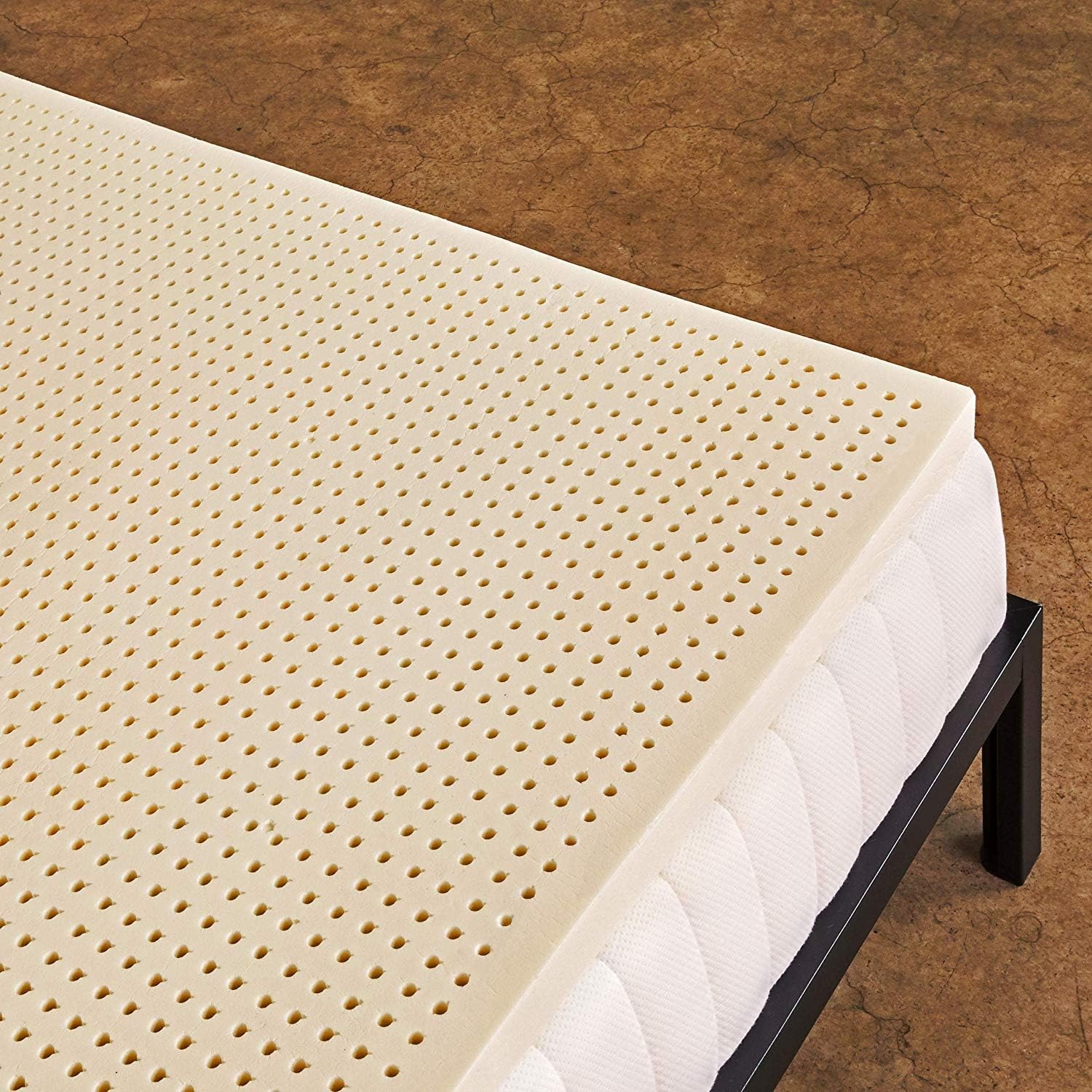
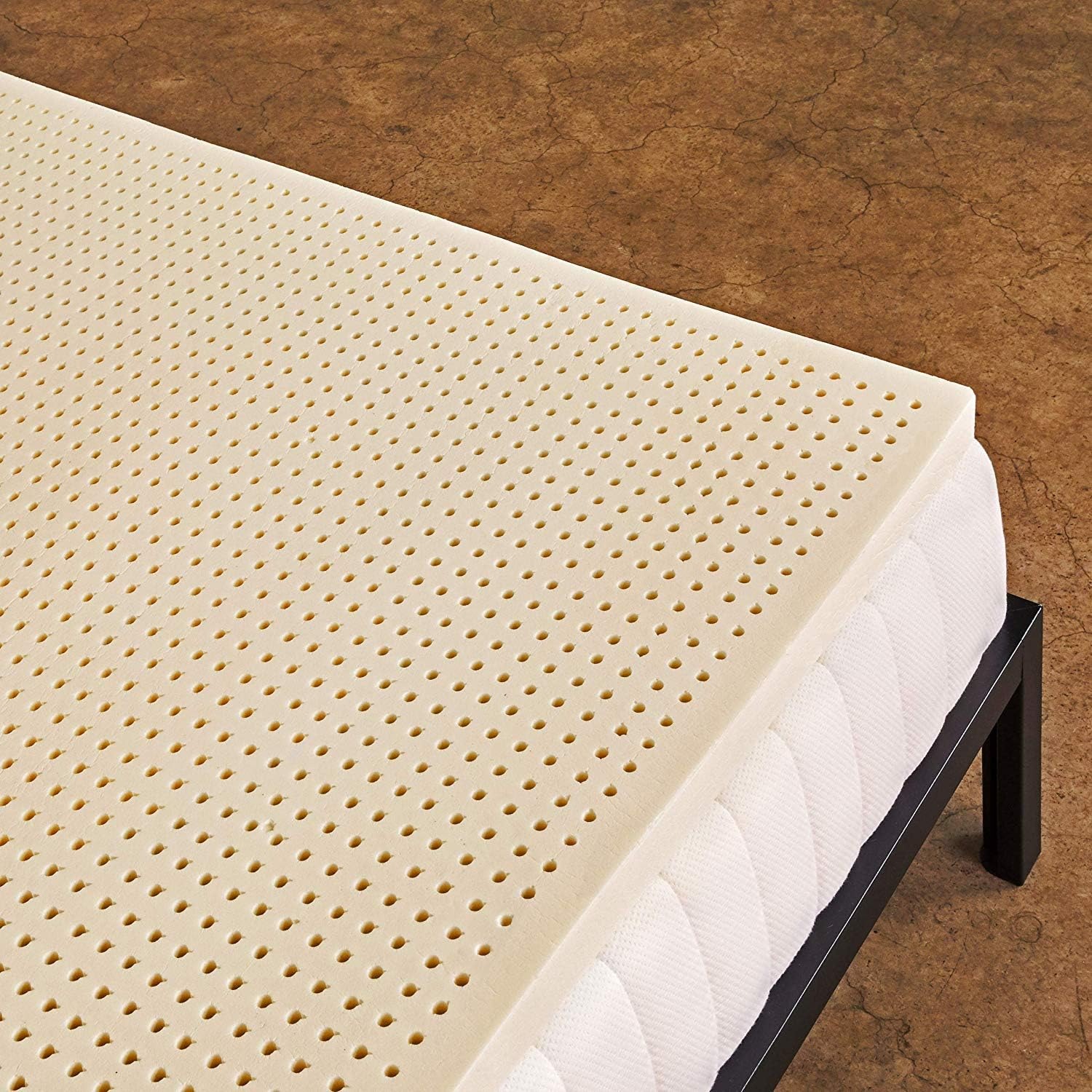
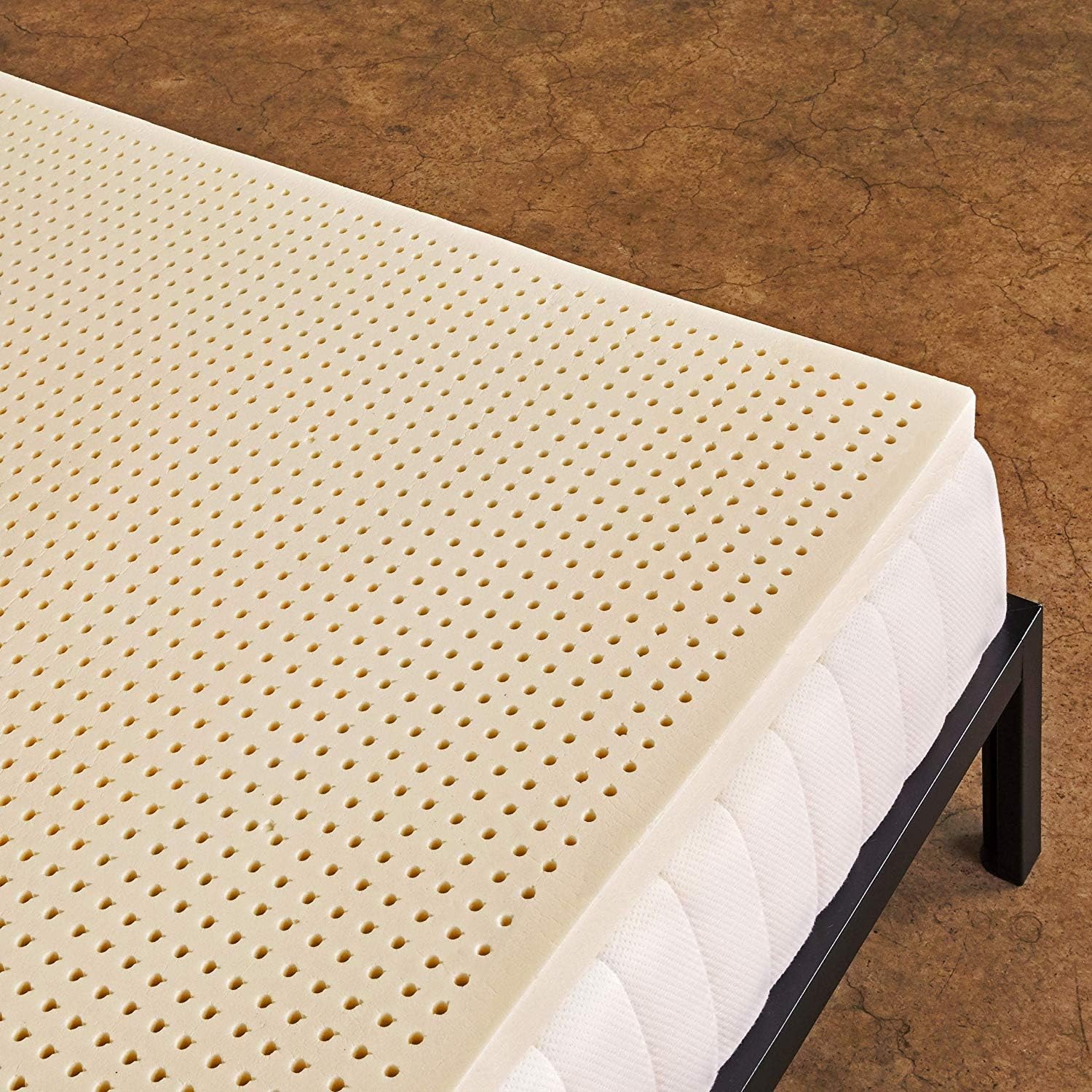
Talalay latex sits apart from both. It is a springy foam with an open, airy structure. Press it and it gives. Lift off and it comes straight back. There is no slow sink and no gradual collapse, so the height you lie down on is close to the height you have at dawn. That consistency is the whole argument for latex, and it is what people are really after when they search for the best natural latex pillow.
The firmness here is medium, which is a good match for a tall pillow. Firm enough to hold 6.5 inches of loft against the weight of your head, soft enough that the surface gives a little rather than feeling like a block.
Heat, airflow and the Tencel cover
Open cell latex is full of connected pockets of air. When you shift position, air moves through the core instead of sitting trapped in a warm pocket under your ear. That is a real advantage over dense foams, which tend to hold heat because there is nowhere for it to go.
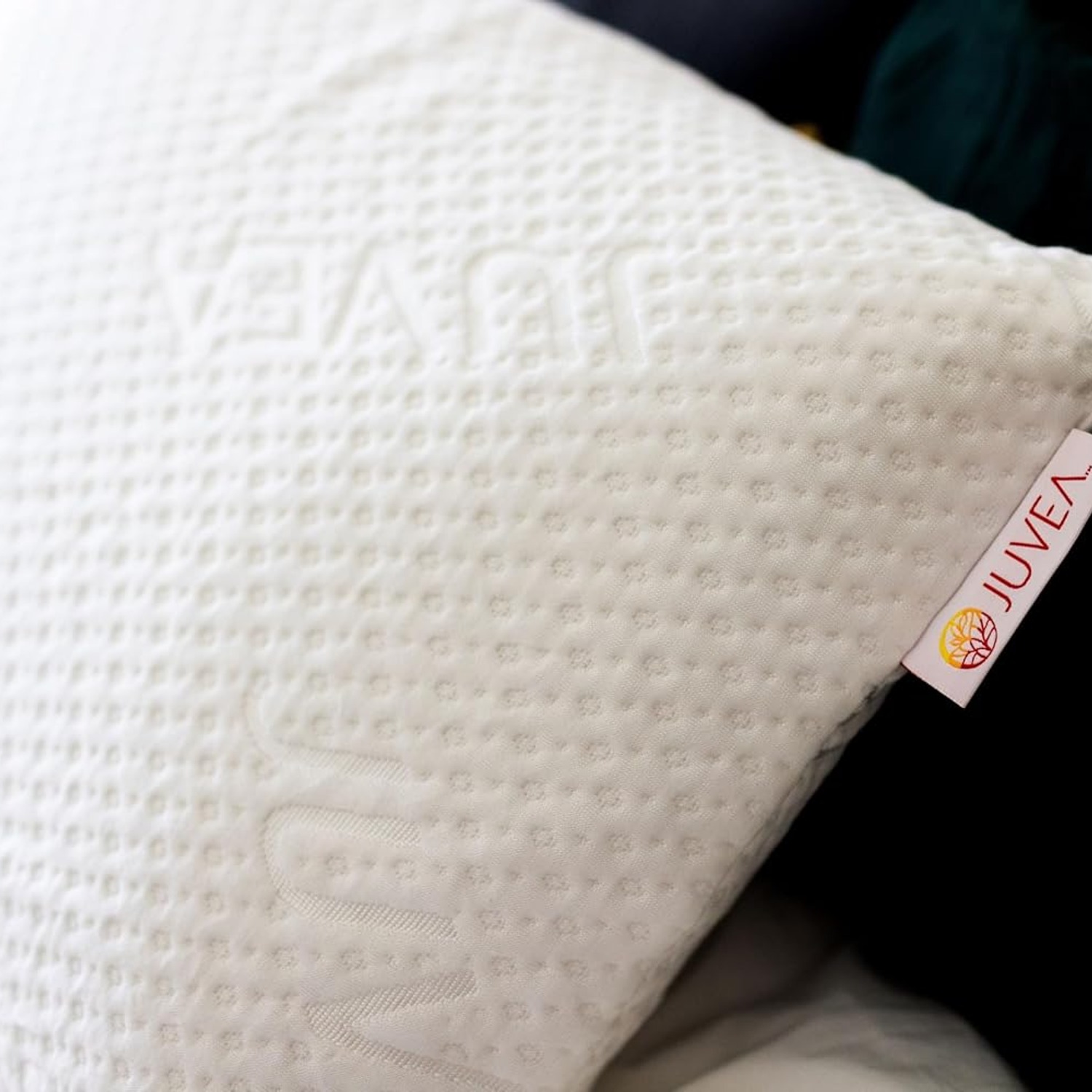
The cover does its share too. Tencel fiber has a smooth, slightly cool hand feel and deals with moisture sensibly, which matters more than people expect. Most of the discomfort people call heat is actually dampness. A fabric that moves moisture away from the skin feels cooler even at the same temperature.
None of this makes a pillow refrigerated. If your bedroom sits at 26 degrees, no pillow will rescue you. But as part of a sensibly cool room, the latex and Tencel combination keeps the surface calmer than a dense foam block would.
Who this pillow suits
Side sleepers are the obvious group. If you fall asleep on your side and wake up on your side, you need loft, and 6.5 inches covers most adult shoulder widths.
Combination sleepers do well with it too, particularly those who shuttle between side and back through the night. Latex returns to shape instantly, so when you roll over the pillow is already back at full height rather than still holding the dent from your last position.
Broad shouldered sleepers and anyone on a firm mattress should pay attention. A firm mattress does not let your shoulder sink in, which effectively widens the gap your pillow has to fill. The firmer the bed, the taller the pillow you usually need.
Who should skip it: stomach sleepers, who need the thinnest pillow they can find. Dedicated back sleepers who never roll over may also find 6.5 inches pushes the chin down toward the chest. Small children generally need a low loft. If any of that describes you, a lower profile model is the better buy, and we would rather tell you that than sell you the wrong height.
How to judge the right loft
Here is a simple test you can do tonight with your current pillow.
Lie on your side in your normal sleeping position. Have someone stand at the end of the bed and look at you straight on. Your nose, chin and breastbone should roughly line up, and your head should not be tilted toward the mattress or lifted toward the ceiling.
If your head tips down, you need more height. If your chin tucks toward your chest, you need less. Most people who have never tried a high profile pillow are in the first group and do not know it, because a slightly bent neck does not hurt until morning.
Factor in your mattress. Soft mattresses swallow the shoulder, so you need less pillow. Firm mattresses do the opposite. People shopping for the best pillow for broad shoulders almost always land on a high loft for exactly this reason.
Living with it day to day
The practical side is straightforward. The cover comes off and goes in the machine on a gentle, cool cycle. Dry it on low or hang it up, then put it back on once it is properly dry. Do that every few weeks and the pillow stays fresh.
The latex core stays out of the washing machine. Water and tumbling are hard on foam of any kind. For spills or marks, use a damp cloth with a drop of mild soap, blot rather than scrub, then let it air dry completely before the cover goes back on. Keep it out of direct sunlight for long stretches, as UV is not kind to latex over time.
Put a normal pillowcase over the cover. It is the cheapest protection you can buy and it means the cover itself needs washing less often. Because this pillow is thick, the case will fit snugly on a standard size, so go up a size if you want a looser look.
One more thing worth knowing. Natural latex carries a faint scent out of the packaging. Unwrap the pillow, leave it in an aired room for a few hours before bedtime, and it fades. It is the material doing what the material does.
Give it a fair trial
A new pillow height takes some getting used to. Your neck has adapted to whatever you have been sleeping on, even if that pillow was wrong, and a different loft feels strange for the first few nights.
Give it a week before deciding. If after that your neck feels better in the morning than it used to, the loft is right. If you are still waking up stiff or with the sense that your head is being pushed too high, the loft is wrong for you, and the answer is a different height rather than a different brand.
The short version
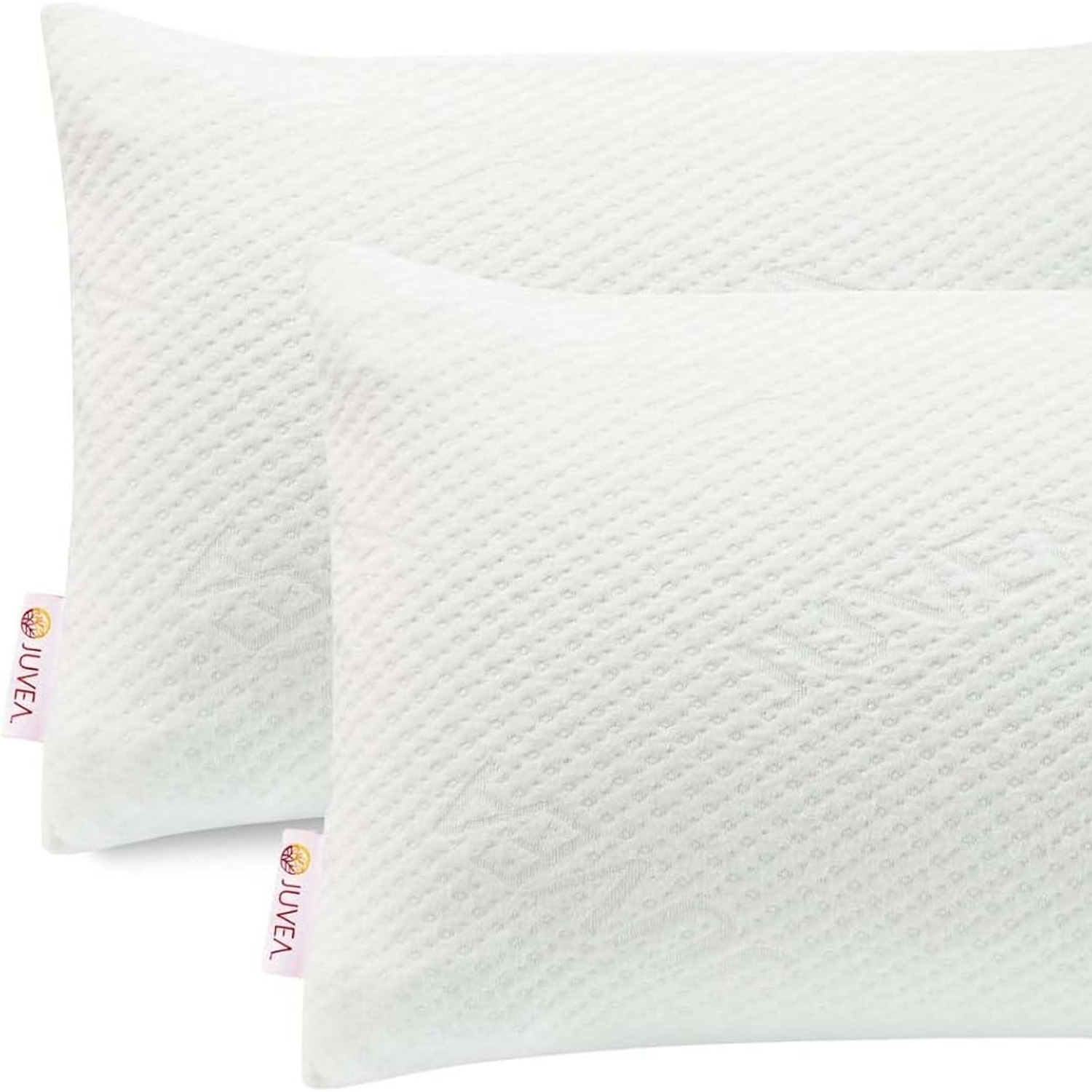
This is a 6.5 inch high profile pillow with a 100% Talalay latex core and a removable Tencel cover, medium firm, in a standard 24 by 15.7 inch footprint. The latex gives springy support that holds its height instead of collapsing, and the open cell structure plus the Tencel surface help keep heat moving.
It is built for side sleepers, combination sleepers and anyone with broad shoulders or a firm mattress. It is too tall for stomach sleepers and probably too tall for people who only sleep on their back.
Take the cover off to wash it, keep the core dry, and let the pillow air out for a few hours when it first arrives. Then give yourself a week to adjust before you judge it.