
The complete guide
How to Choose a Latex Mattress Topper That Actually Fixes Your Bed
The problem with a bed that is almost right
Most people do not replace a mattress because it collapsed. They replace it because the top inch or two went flat, the hips start to ache around 3am, and nobody wants to spend another night working out which side of the bed hurts less.
That is frustrating, because the expensive part of a mattress, the support core, is often still doing its job. The cheap part, the comfort layer, is what wore out. Buying a whole new bed to fix a two inch problem is an expensive way to solve it.
A latex mattress topper is the targeted repair. It lays a fresh layer of responsive foam across the surface, restoring the cushioning you lost, while the mattress underneath keeps doing the structural work. For a lot of beds that are three to seven years old, this is the right move.
What latex foam actually does under you
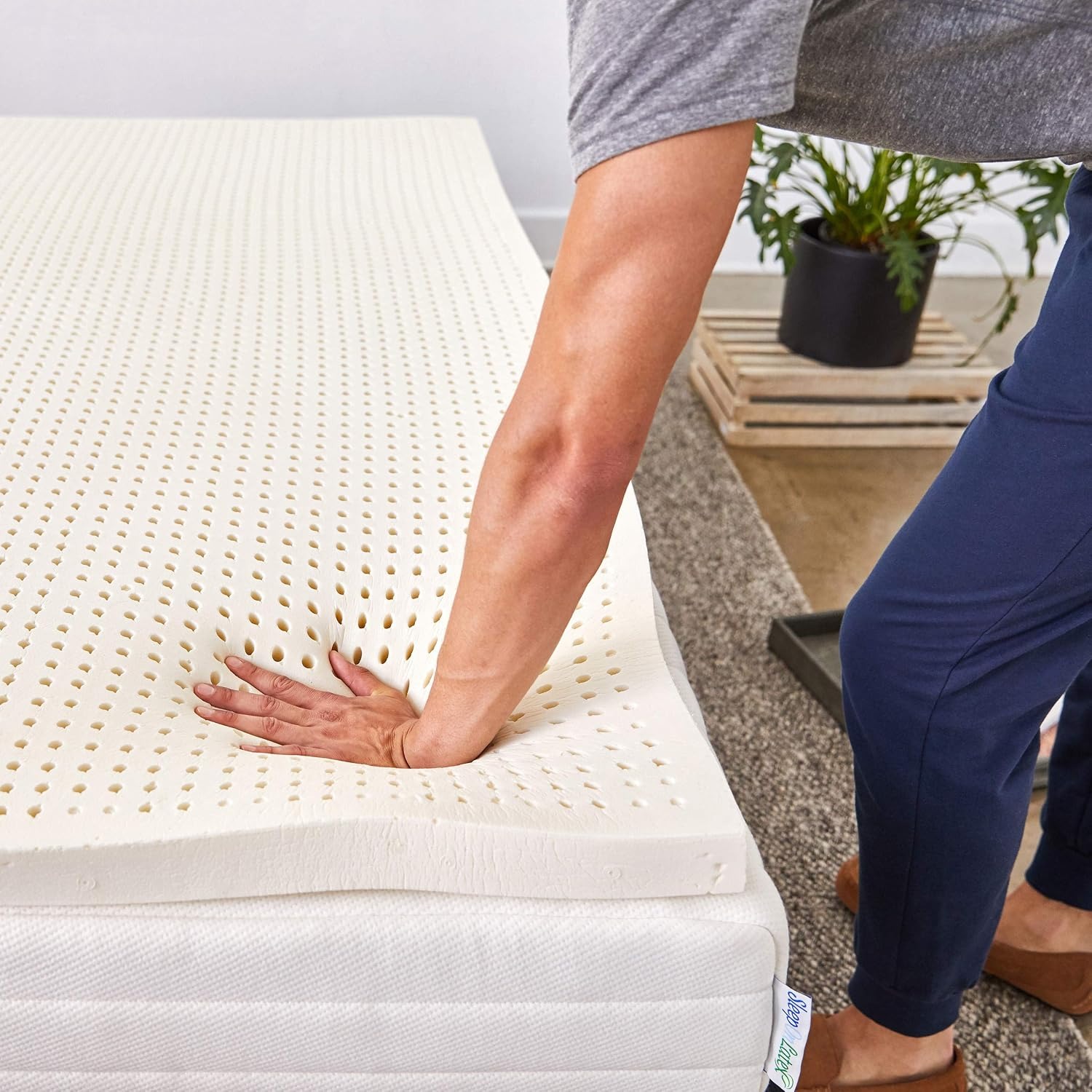
Latex behaves very differently from the memory foam most people have tried. Press your hand into memory foam and it slowly accepts the shape, then slowly lets go. Press into latex and it pushes back straight away, then holds.
That instant response is the whole point. When you roll over at 2am, a latex layer moves with you rather than keeping the outline of where you used to be. There is no gradual sinking as the night goes on, and no climbing out of a body-shaped crater in the morning.
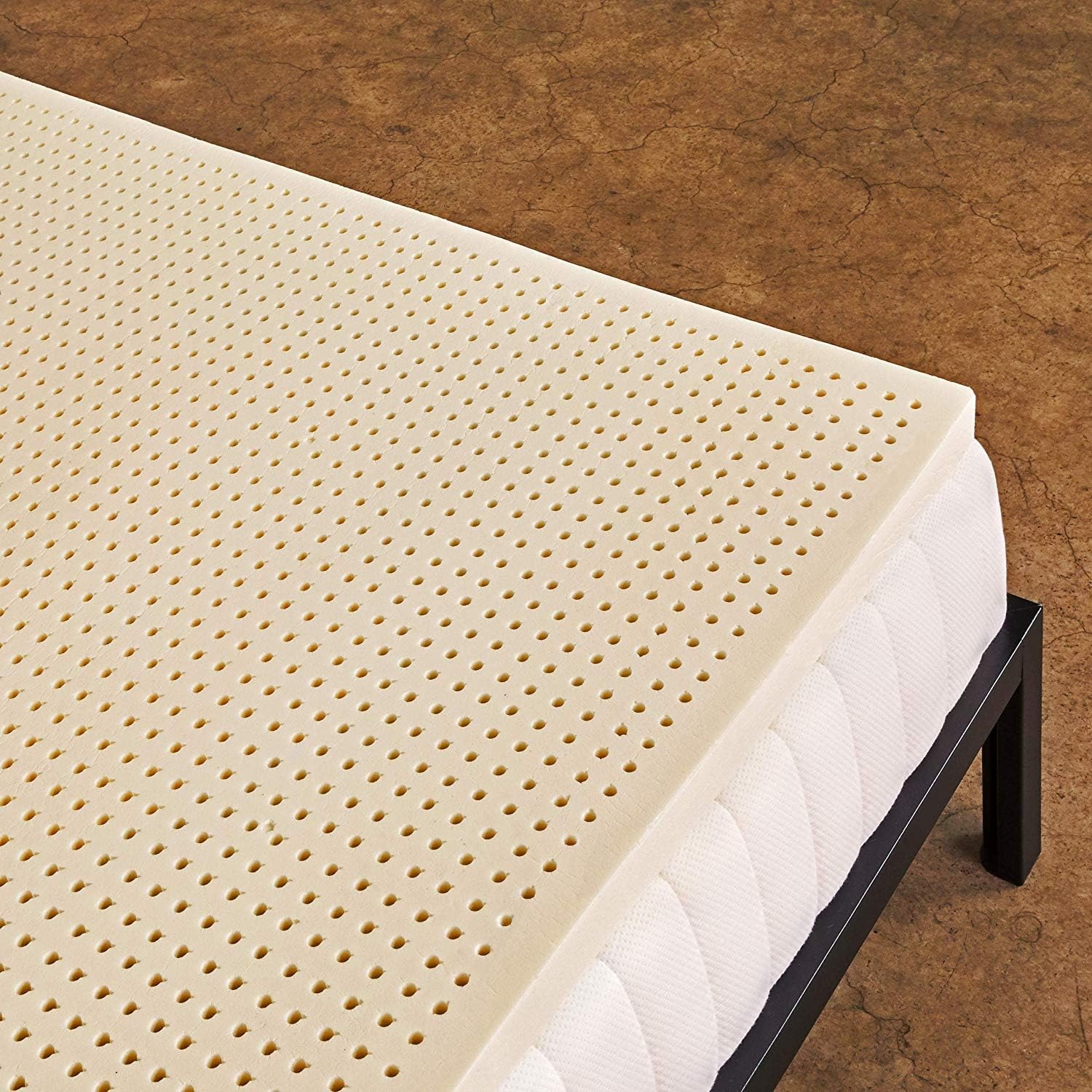
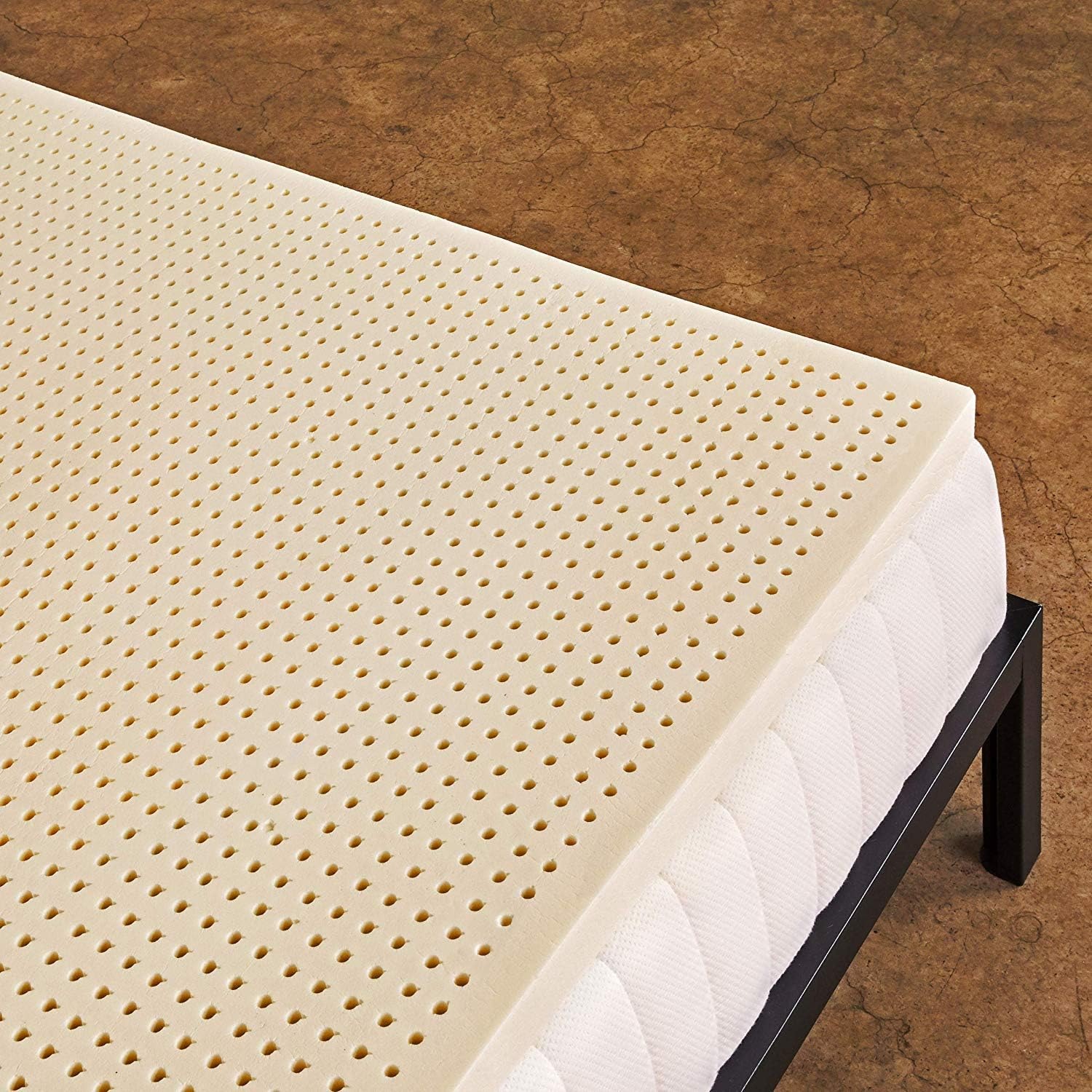
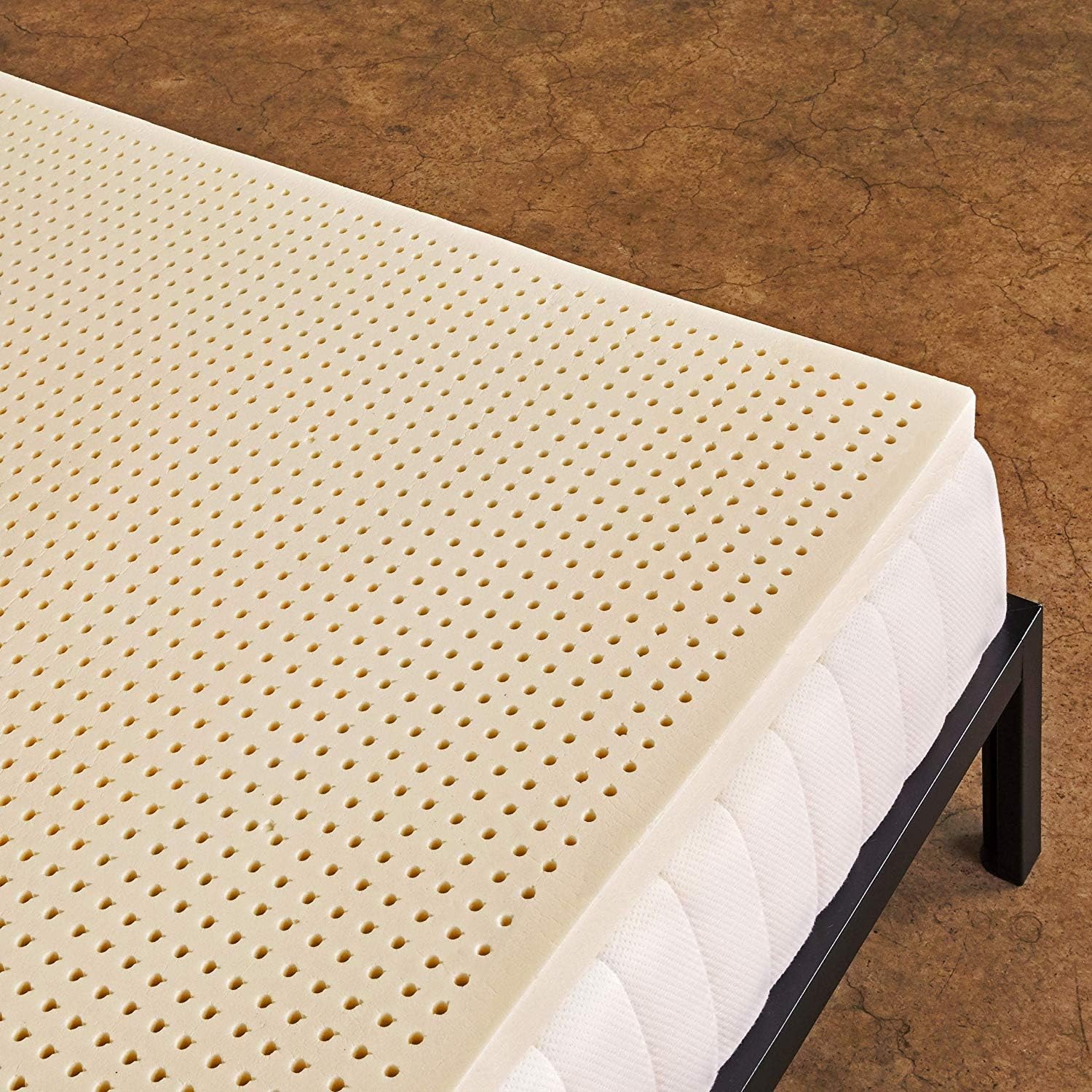
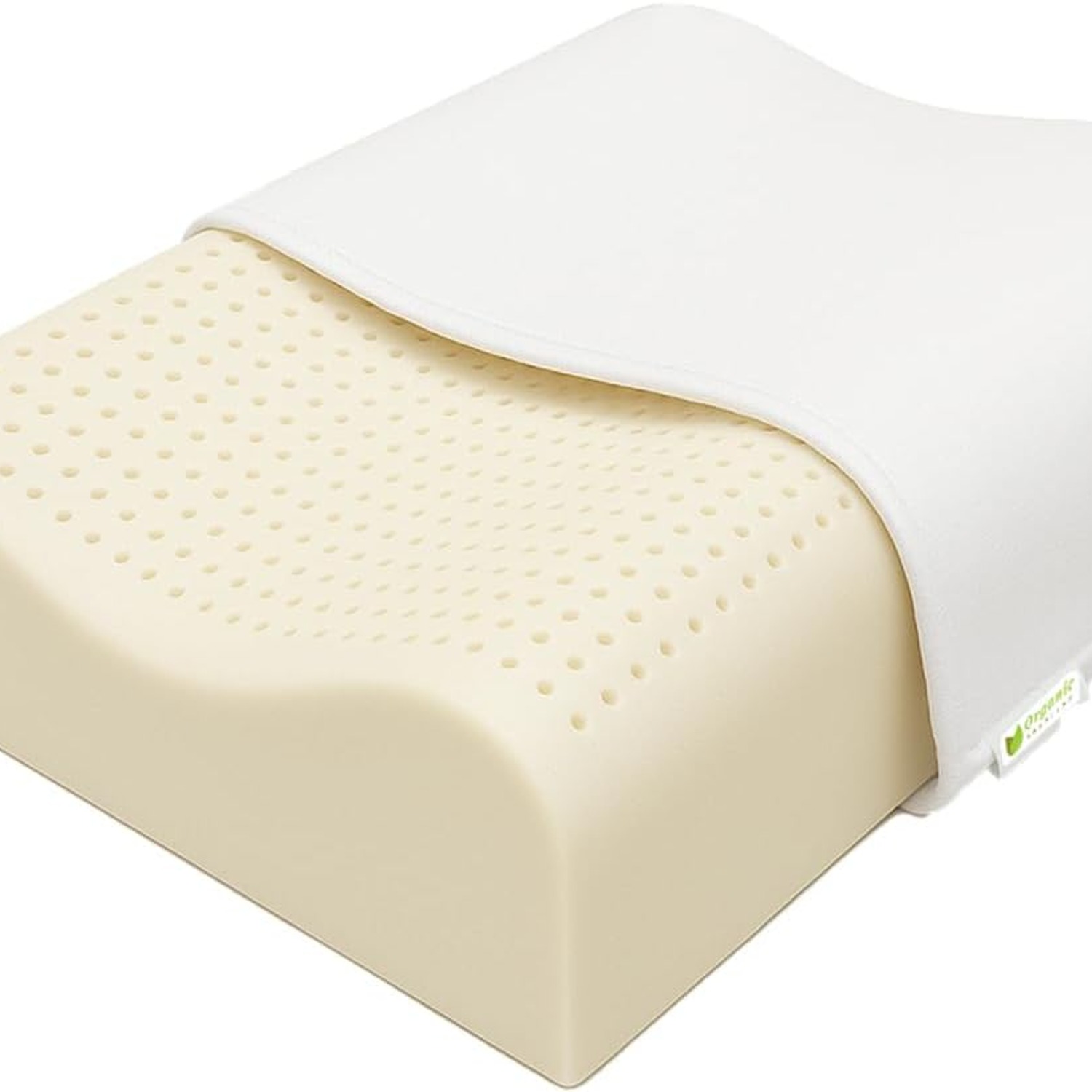
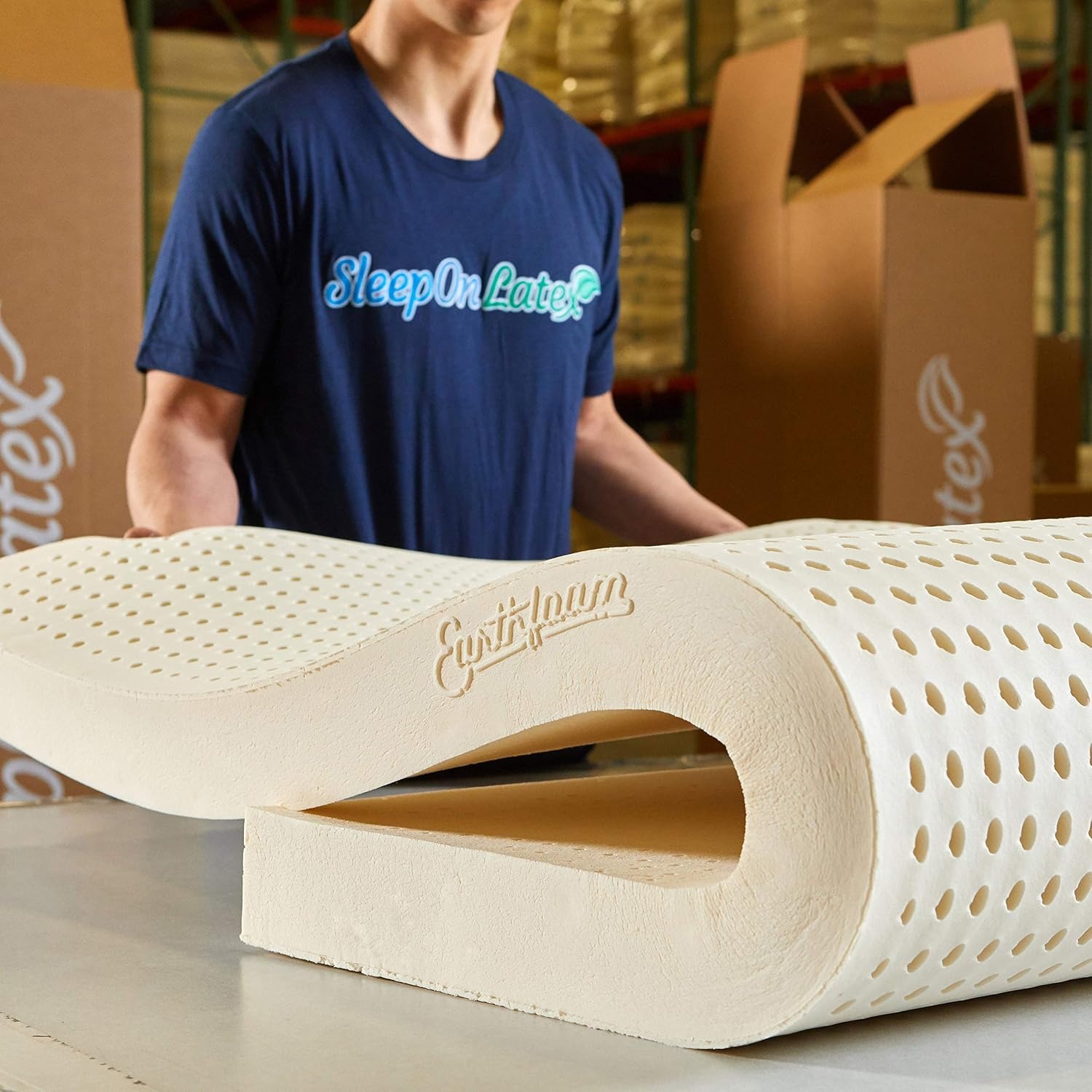
Heat is the other difference. Latex is an open cell foam, so it has tiny air channels running all through it, and air moves rather than sitting trapped. It is also heat neutral, meaning it does not get softer as your body warms it. If you sleep on a memory foam mattress that runs warm, a 2 inch latex layer puts a breathable buffer between you and the material underneath. It will not turn a hot room cold, but it changes how the surface feels against your skin.
This particular topper is made through a molded Dunlop process. That gives foam with a springy but grounded feel, less of the lively bounce you get from some other latex production methods. Some people love bounce. Others want support without feeling like they are on a trampoline. Dunlop sits closer to the second camp.
Who the medium firmness suits
Firmness is where most topper purchases go right or wrong, so be honest about how you sleep.
Back sleepers are the natural fit for a medium latex topper. Lying on your back, the lower back needs to be supported rather than allowed to arch into a gap, and the hips should not sink lower than the shoulders. Medium latex gives pinpointed support exactly where the weight presses, which keeps that line reasonably straight.
Stomach sleepers also tend to do better with medium than with anything plush, since a soft surface lets the hips drop and the lower back pays for it.
Side sleepers are more varied. If your current mattress is already quite firm and your shoulder goes numb, a medium topper takes some of the harshness away without letting you sink too deep. If you want a genuinely soft, cradling surface, the soft version of this topper is the better choice.
Then there are couples. If one of you wants firm and the other wants soft, a medium topper is not magic, but it does narrow the gap. It softens pressure points for the person who wants plush and keeps support for the person who does not want to sink. When preferences are wildly far apart, two single toppers of different firmness laid side by side is worth considering instead.
Picking a thickness
Thickness controls how much of the mattress you still feel underneath.
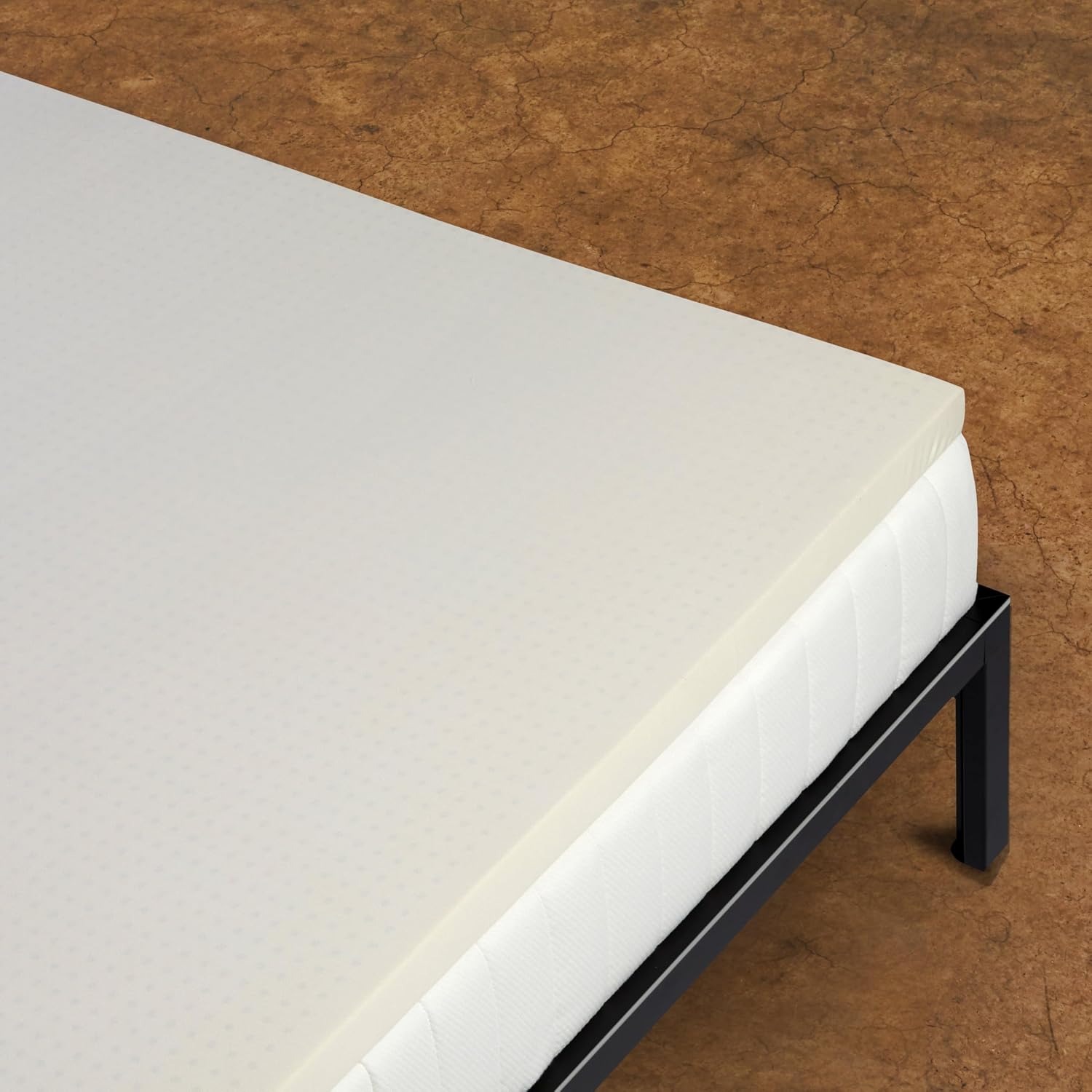
One inch is a tweak. It adjusts the surface a little, adds barely any height, and will not fix anything significant. Two inches is the popular middle, and for good reason. It makes a clear difference to how the bed feels while still letting the character of the mattress come through. Three inches starts to dominate. It is closer to a mattress makeover, useful for rescuing an old bed or making a big firmness change, but it also means you are essentially sleeping on the topper rather than the mattress.
This one is 2 inches, which is the sensible default for most people who like their bed but want the surface back.
One thing worth checking before you buy anything thicker than an inch: your fitted sheets. Adding two inches to a mattress eats into the pocket depth, and a sheet that was already snug may stop reaching the corners. A deep pocket sheet solves it.
What the certifications mean in practice
The latex in this topper is harvested from organically grown rubber trees and is GOLS certified, which is the Global Organic Latex Standard. There is no synthetic latex in the formulation, and no fillers. Fillers are a common cost-saving move in cheaper latex foam, and they change how the foam performs over time.
The Fair For Life certification covers the human side of the supply chain rather than the material itself. It means the sourcing has been audited against fair trade criteria.
Those labels matter most to two groups. The first is people who care where their bedding comes from and want something verifiable rather than vague wording like "eco" or "green". The second is people who are sensitive to what they sleep on and want to limit what is in the room with them for eight hours a night.
Living with it
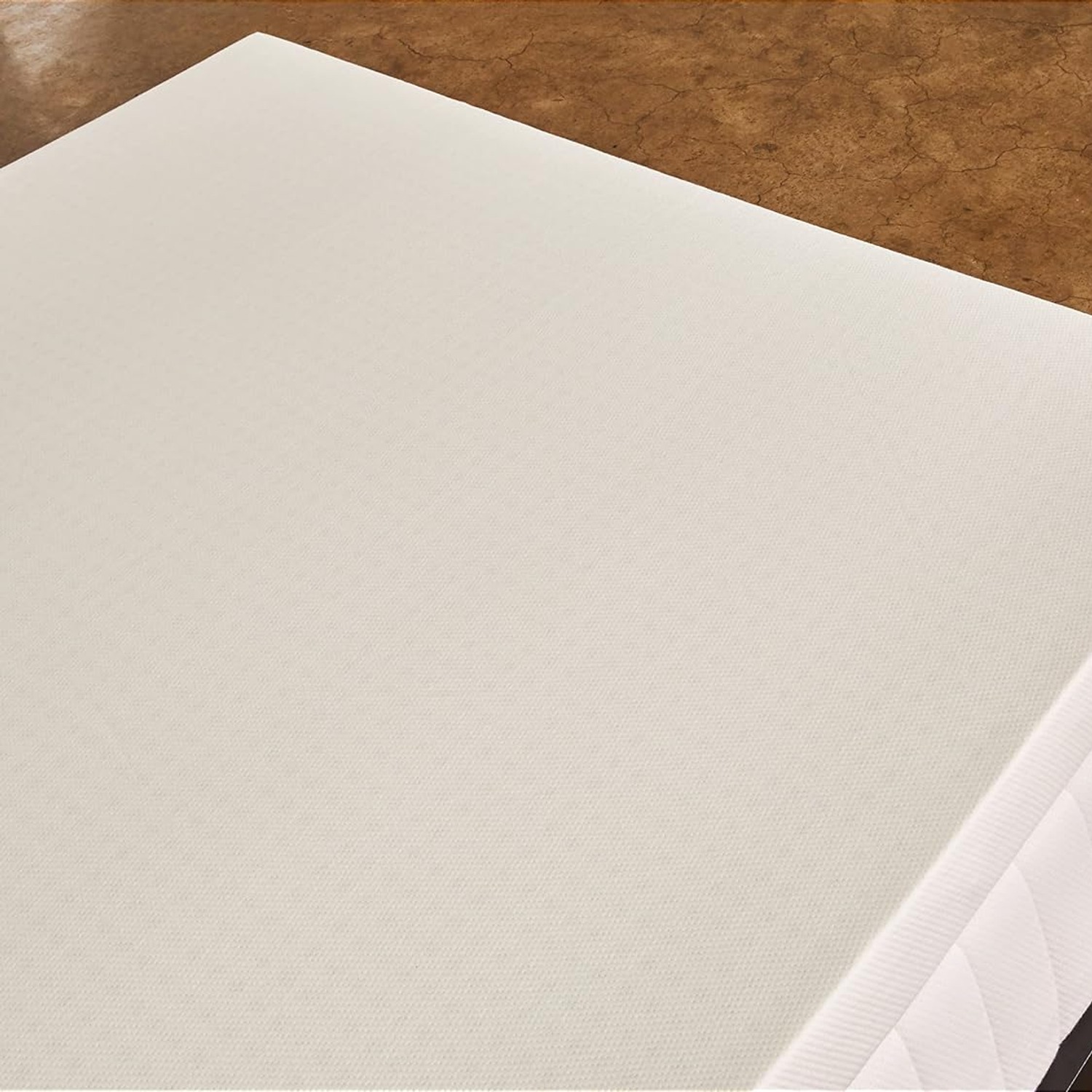
This topper comes with no cover, which is deliberate. Most people simply pull a deep fitted sheet over the topper and mattress together, which also stops it shifting. Others add a separate washable topper cover, which is the better route if spills, pets or kids are part of your life, since the foam itself is not water resistant.
Care is hand wash only, and that really means spot clean. Blot a mark with a cloth, cool water and a little mild detergent, then let it dry fully before you put bedding back on. Do not put latex in a washing machine or a dryer. Do not leave it sitting in direct sunlight, which breaks foam down over time.
When it first arrives it is compressed in a carton. Unroll it, lay it flat and give it a day in a ventilated room. There is usually a mild natural smell at first that settles down. Rotating the topper end to end every few months evens out the wear, the same habit that extends the life of a mattress.
The listed weight is 2.27 kg, so lifting it is not the problem. Handling a queen sized sheet of flexible foam on your own is a bit awkward, but one person can manage it.
When a topper is not the answer
Be realistic about what a layer of foam can do. If your mattress has a visible sag, a broken spring, or a ridge down the middle, a topper will drape over that shape and you will still feel it. Foam follows the surface it is on. It does not rebuild a support core.
The same goes for a mattress that is simply the wrong firmness for your body from the start. A topper can nudge a feel in one direction. It cannot turn a bed that is fundamentally wrong for you into the right one.
Where a topper shines is a mattress with a sound core and a tired, flattened surface, or a bed that is good but just a little too firm.
The short version
Two inches of medium natural latex, GOLS certified organic, Dunlop molded, in a queen. No cover, so you dress it yourself. It responds instantly instead of sinking, breathes rather than holding heat, and adds support at the pressure points without rewriting how firm your mattress is.
Pick it if you are a back or stomach sleeper, if your bed is firm and you want the edge taken off, if you and a partner are negotiating firmness, or if your mattress core is fine but the top has gone flat. Pick the soft version instead if you want a genuinely plush, cradling surface.
It carries a 5 Year Limited Warranty. Keep the carton until you are sure, use a deep fitted sheet, and give it a day to settle before you judge it.