


The complete guide
How to Choose a High Profile Latex Pillow (Without Waking Up With a Sore Neck)
The problem with most pillows
Walk into any bedding shop and the pillows all look roughly the same. Soft rectangle, white, stacked in a pile. What is not obvious from the outside is how much of a difference a couple of inches of height makes to your neck.
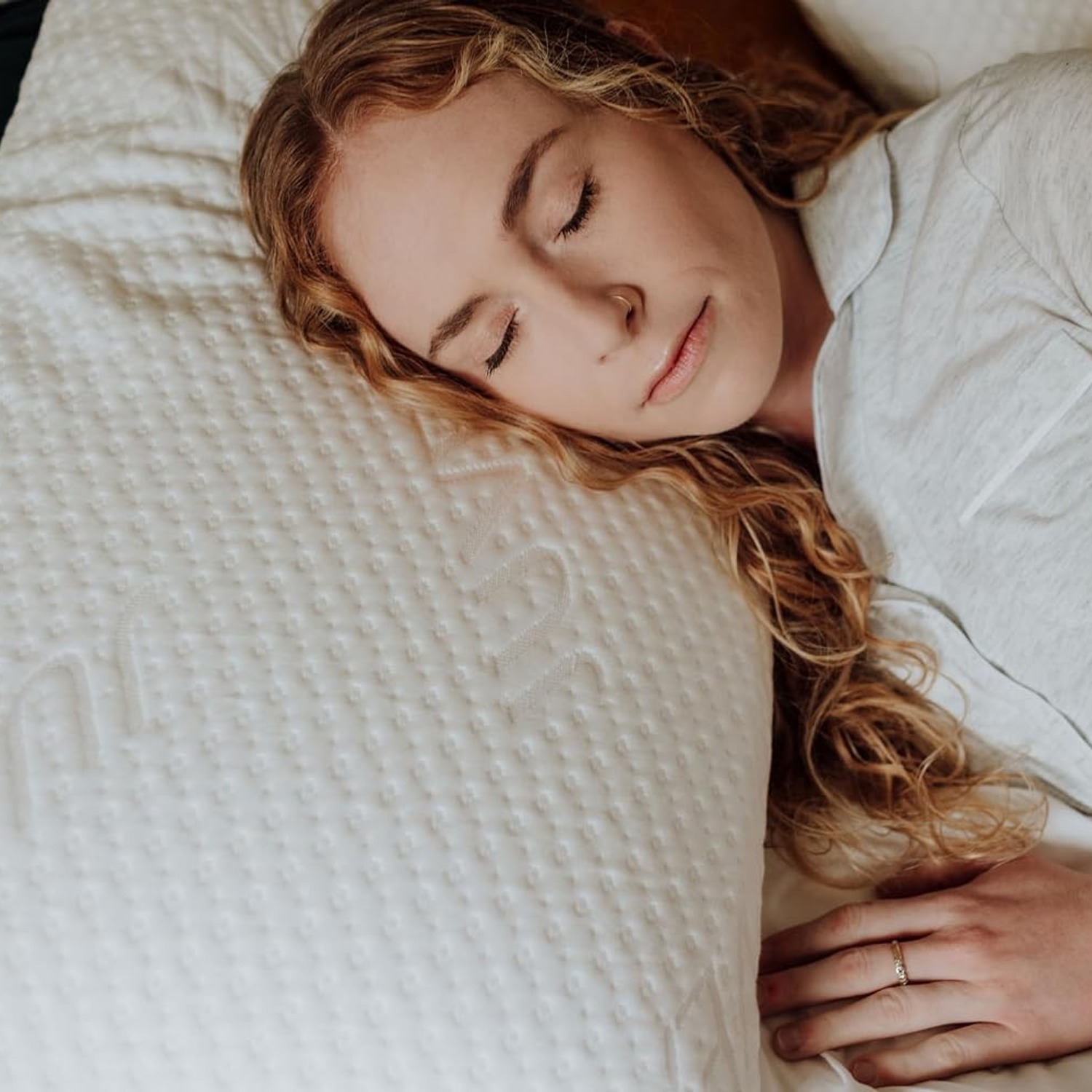
Here is the thing side sleepers figure out eventually. When you lie on your side, your shoulder props your upper body a few inches off the mattress. The space between your ear and the bed is now a gap, and whatever fills that gap decides the angle of your neck for the next eight hours. Too little and your head tilts down toward the mattress. Too much and it cranks the other way. Either one leaves you stiff in the morning, and most people blame their mattress.
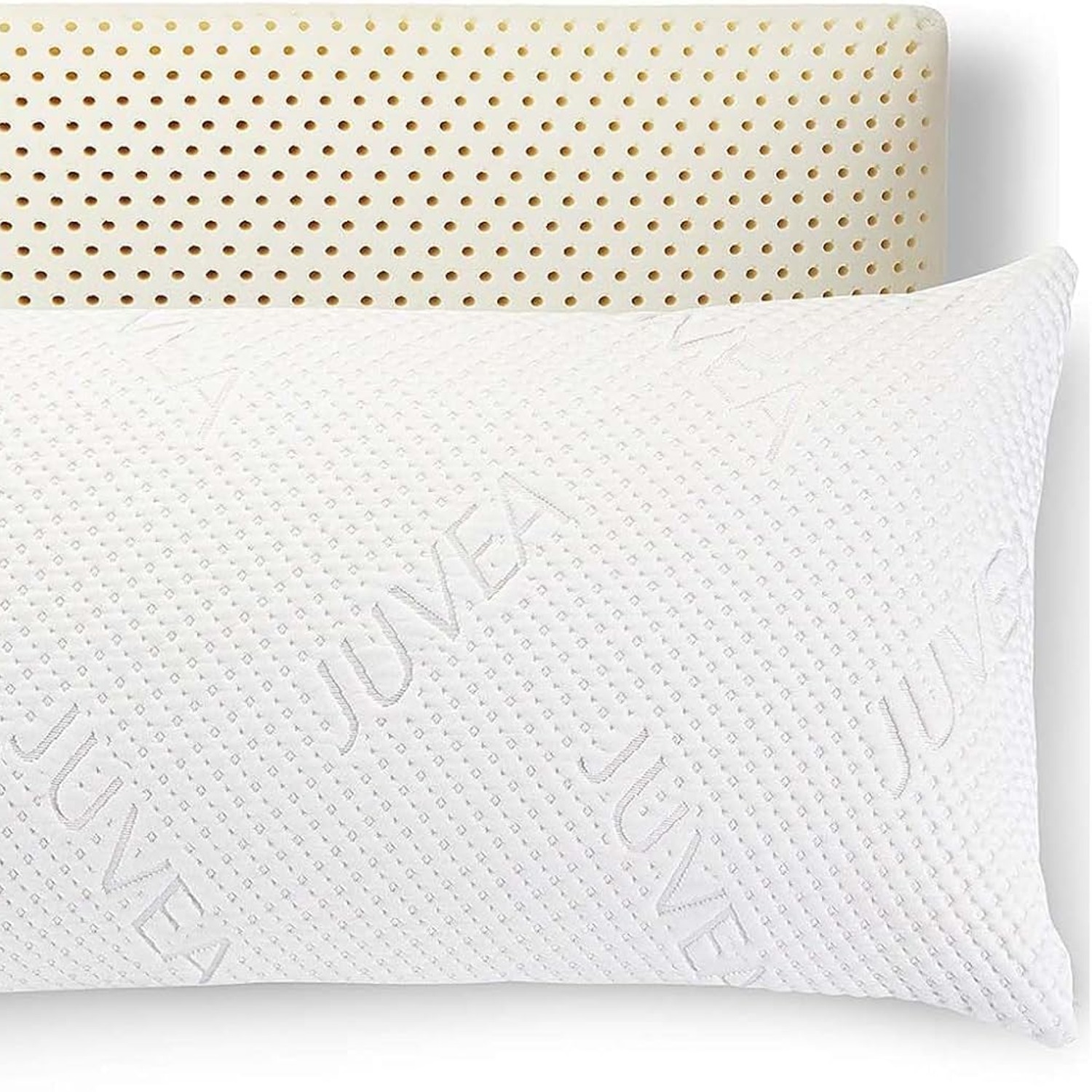
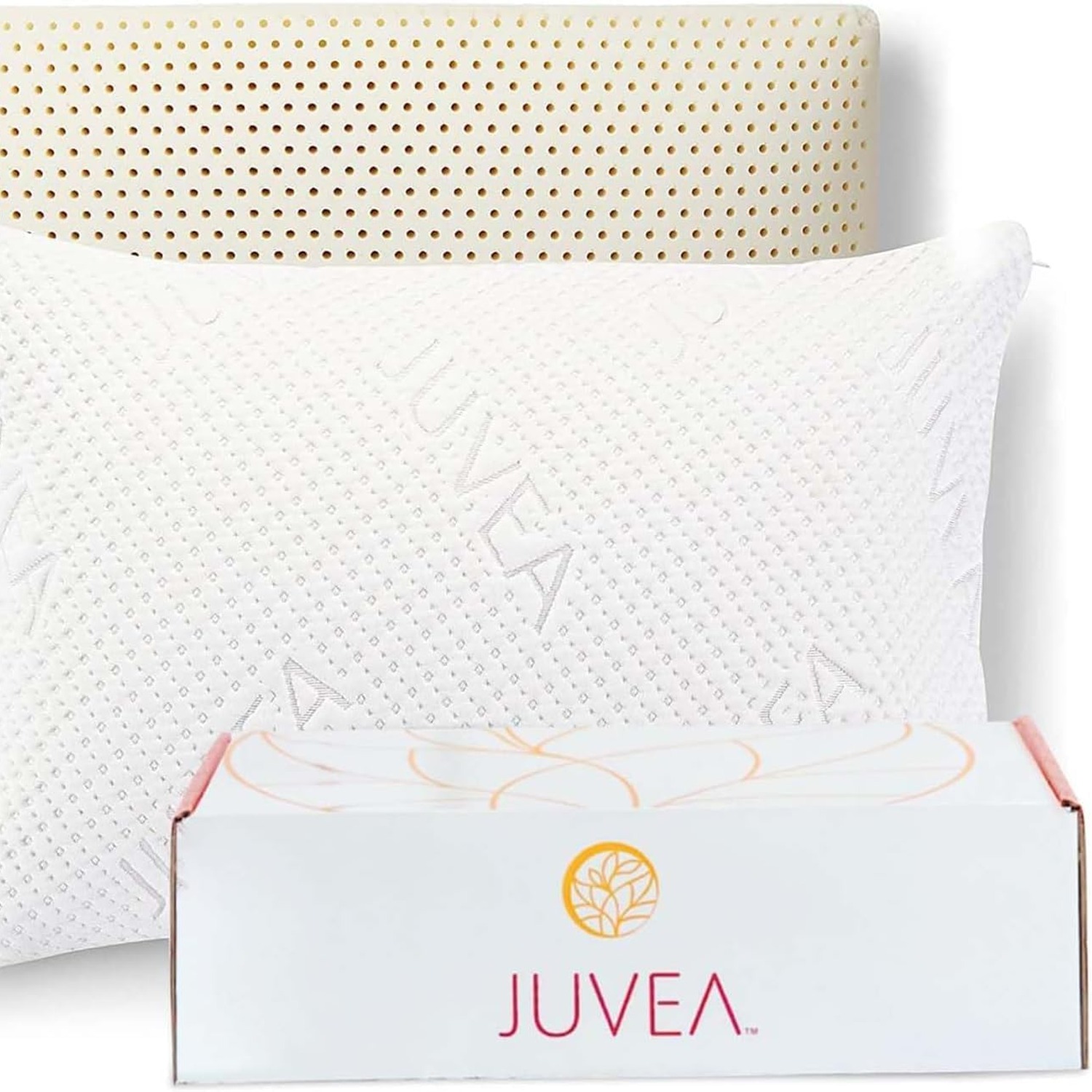
A high profile pillow exists to solve that gap. This one offers 7 inches of loft in a king footprint, with a core of 100% Talalay latex and a removable organic cotton cover. It is not subtle, and it is not for everyone. But for the right sleeper it is the difference between waking up fine and waking up rubbing your neck.
What Talalay latex actually is
Latex pillows come in two main manufacturing styles, Dunlop and Talalay. Both start with liquid latex. The difference is what happens next.
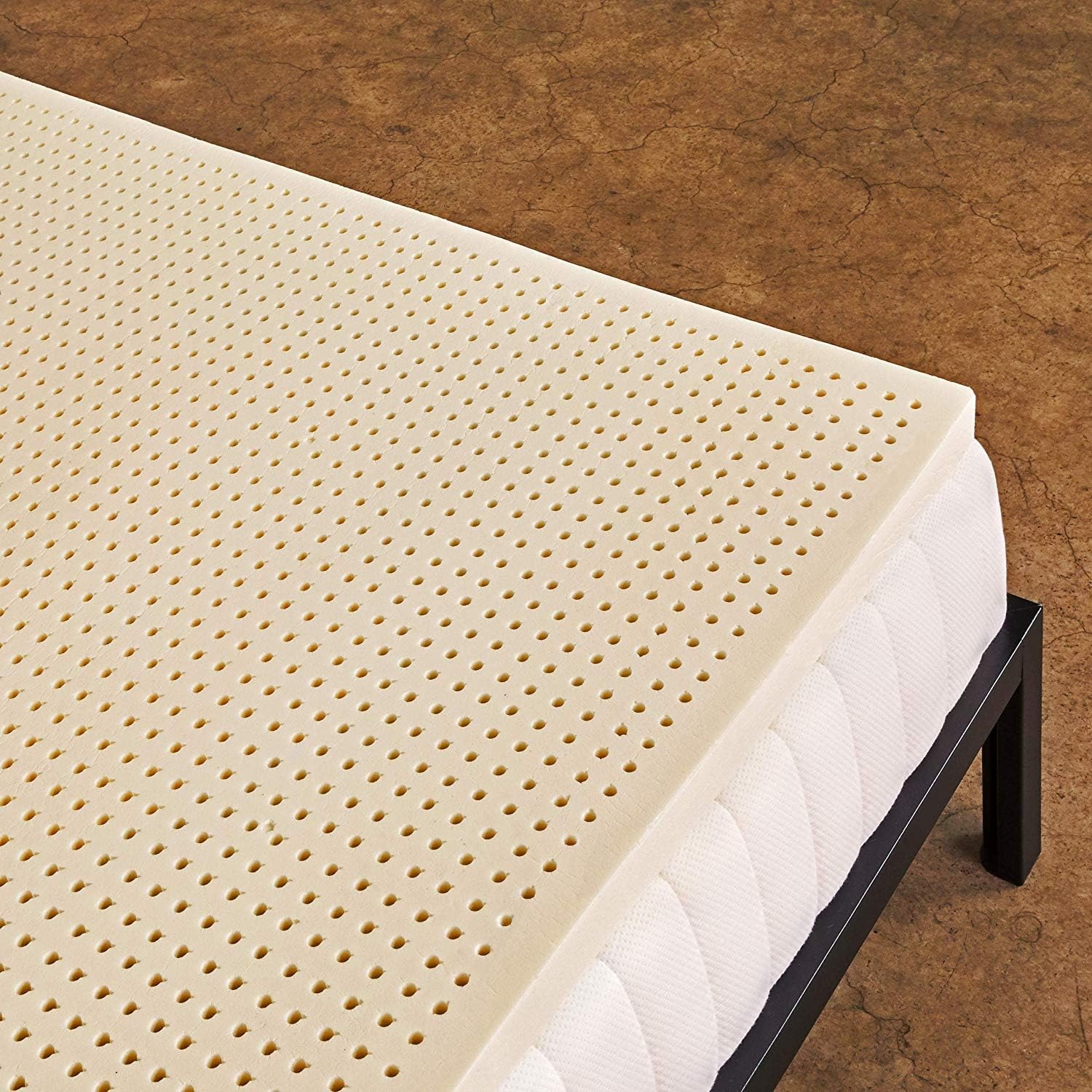
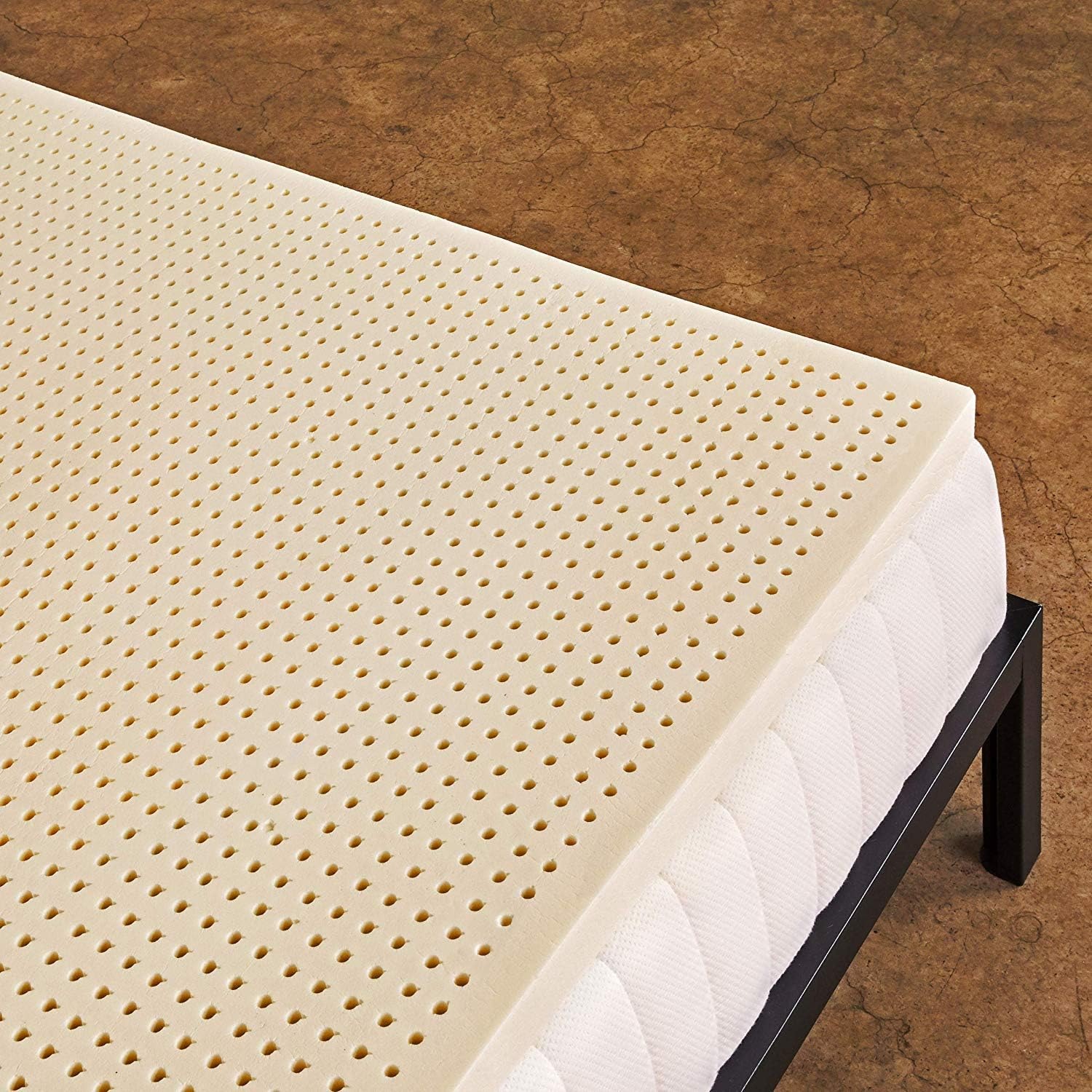
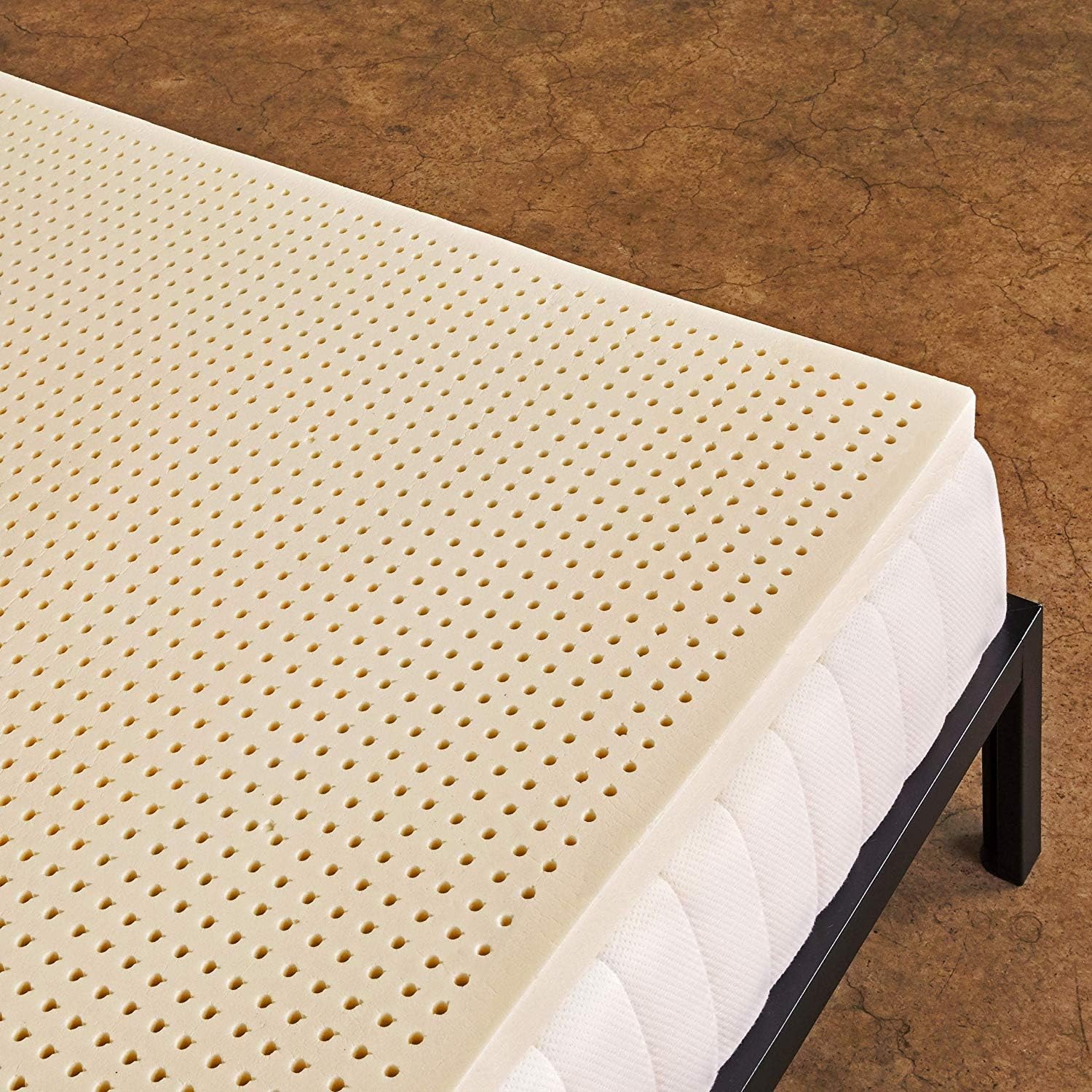
In the Talalay process, the mold is only partly filled, then sealed and vacuumed so the latex expands to fill the space. It is flash frozen, then cured. Because of that expansion and freezing step, the cell structure ends up very even from top to bottom. Dunlop, by contrast, tends to be denser at the base where the material settles.
What that means at bedtime is a pillow that feels consistent wherever your head lands, with a light springy quality. Push into it and it pushes back right away. There is no slow sink, no waiting for the material to warm up and give way. Some people call it buoyant, which is a decent word for it.
The practical payoff is longevity. Latex resists the slow compression that turns a new pillow into a flat disc after eighteen months. It does not clump the way fiber fill does. You will not be shaking it out every morning trying to get the shape back.
Who a 7 inch pillow actually suits
Loft is the single most important thing to get right, and it is personal. A few rough guides.
If you sleep on your side most of the night and you have average to broad shoulders, high loft is probably your lane. The wider your shoulders, the bigger the gap you need to fill. Combine broad shoulders with a firm mattress, where the shoulder does not sink in much, and the gap grows further. That is the clearest case for a 7 inch pillow.
Hybrid sleepers, the people who start on their side and roll partway onto their back, often do well here too. The latex supports the side position and still gives enough that the back position is tolerable.
If you are a dedicated back sleeper, 7 inches is likely too much. Your head will be pushed forward and your chin will tuck toward your chest. A medium profile pillow is the smarter pick. And if you sleep on your stomach, skip high loft entirely. Stomach sleeping needs the thinnest pillow you can tolerate, otherwise your neck is bent back all night.
The honest test is simple. Lie down in your usual position with the pillow in place and have someone look at you from the front. Your nose, chin, and breastbone should line up in roughly the same plane, with your head neither drooping nor propped up. If that line is straight, the loft is right.
The cover and why removable matters
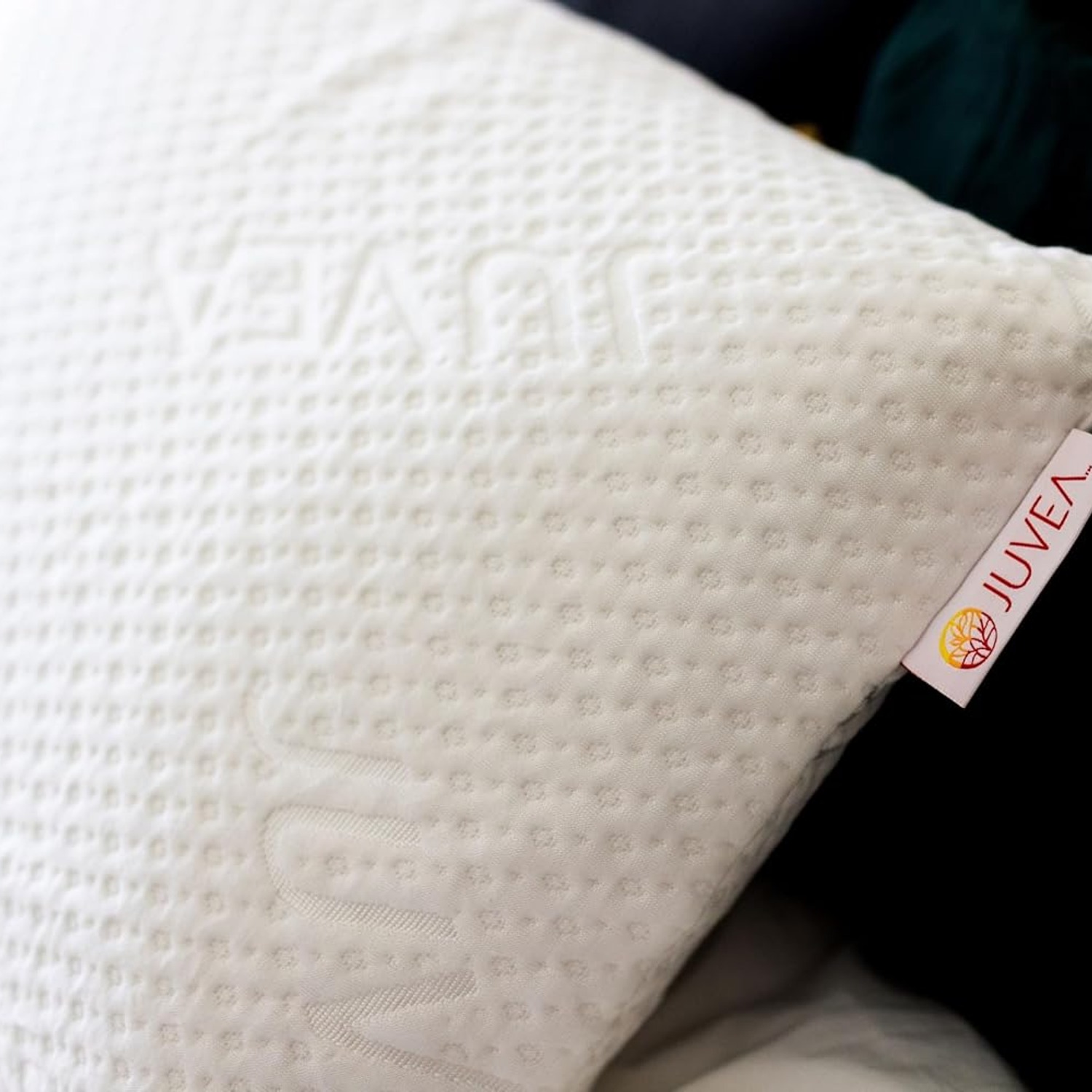
The organic cotton cover is more than a nice touch. Latex cannot be washed. Put it in a machine and you will ruin it. So the only sensible way to keep a latex pillow clean over years of use is to have a layer on top that comes off.
Cotton is a sensible choice for that layer. It breathes, it softens with washing, and it feels pleasant against your cheek. Wash it separately on a gentle cool cycle and dry it low or on the line. If you are the kind of person who likes everything laundered weekly, this is the best washable pillow cover arrangement for a latex core, because you never have to compromise on cleanliness to protect the foam.
Add a pillowcase over the top, obviously. A king case with a bit of depth will slide on more easily than a tightly cut one, given the 7 inch thickness.
Airflow, heat, and realistic expectations
One of the real advantages of latex is that it is not a solid block. The open-cell structure means air can move through the material rather than sitting trapped underneath your head. Paired with a cotton cover, that keeps things from getting stuffy.
Let us be straight about what that does and does not mean. This is a breathable pillow, not a cooling device. If your bedroom runs hot, if you pile on a heavy duvet, or if you sleep under a synthetic sheet, you will still get warm. What latex does is avoid making the problem worse, which is more than you can say for a thick slab of dense foam that holds every bit of heat you put into it.
The first few days
Two things to expect when the box arrives.
First, the smell. New natural latex has a faint rubbery scent. It is normal and it comes from the material itself. Take the pillow out of its packaging as soon as it arrives and leave it in a ventilated room for a few hours, longer if you can. The scent fades substantially.
Second, the feel. If you are coming off a soft down or memory foam pillow, latex will feel different. Firmer, springier, more present. Most people adjust within a few nights as their neck gets used to actually being supported rather than sinking. Give it a week before deciding.
Looking after it
Keep it dry, keep it out of the sun, and keep the cover on. Those three habits cover almost everything.
UV light breaks latex down, so a pillow left on a sunny windowsill or dried outside in strong sun will age faster. Moisture is the other enemy, which is why spot cleaning the core means a damp cloth and proper air drying rather than anything heavier. Do not vacuum seal it for long term storage; latex prefers to be left in its natural shape.
Beyond that, there is not much maintenance. No fluffing, no rotating schedule, no replacing the fill. Wash the cover when you wash your sheets and that is the job done.
The short version
This is a tall, firm-ish, long-lasting pillow aimed squarely at side and hybrid sleepers. Seven inches of Talalay latex in a king size, under an organic cotton cover you can throw in the wash. It weighs about 5 pounds, it holds its shape, and it breathes better than solid foam.
If you sleep on your side, have average to broad shoulders, and have been stacking two pillows to get enough height, this is worth a look. If you sleep on your back or stomach, look at a lower profile instead. Getting the loft right matters more than getting the brand right, and no pillow works for every sleeping position.