




The complete guide
How to Choose a Talalay Latex Pillow That Actually Fits Your Neck
The problem with most pillows
Pillows fail slowly, which is why so many people put up with a bad one for years. You buy something that feels plump in the packaging, it works for a few weeks, and then it quietly compresses. By month three you are folding it double under your ear, stacking two of them, or waking up with a stiff neck and blaming your mattress.
The cause is usually the fill. A pillow stuffed with polyester fiber, down, or shredded foam is full of loose material. Every night your head presses that material outward, and it does not fully come back. The fill migrates to the edges, the middle hollows out, and the pillow that supported your head properly in January is doing nothing by March.
A solid latex core does not have that problem, because there is no loose fill to move. It is one piece. When you lift your head off it in the morning, it returns to the shape it started as. That is the whole argument for latex, and it is a reasonably strong one.
How a Talalay latex pillow works
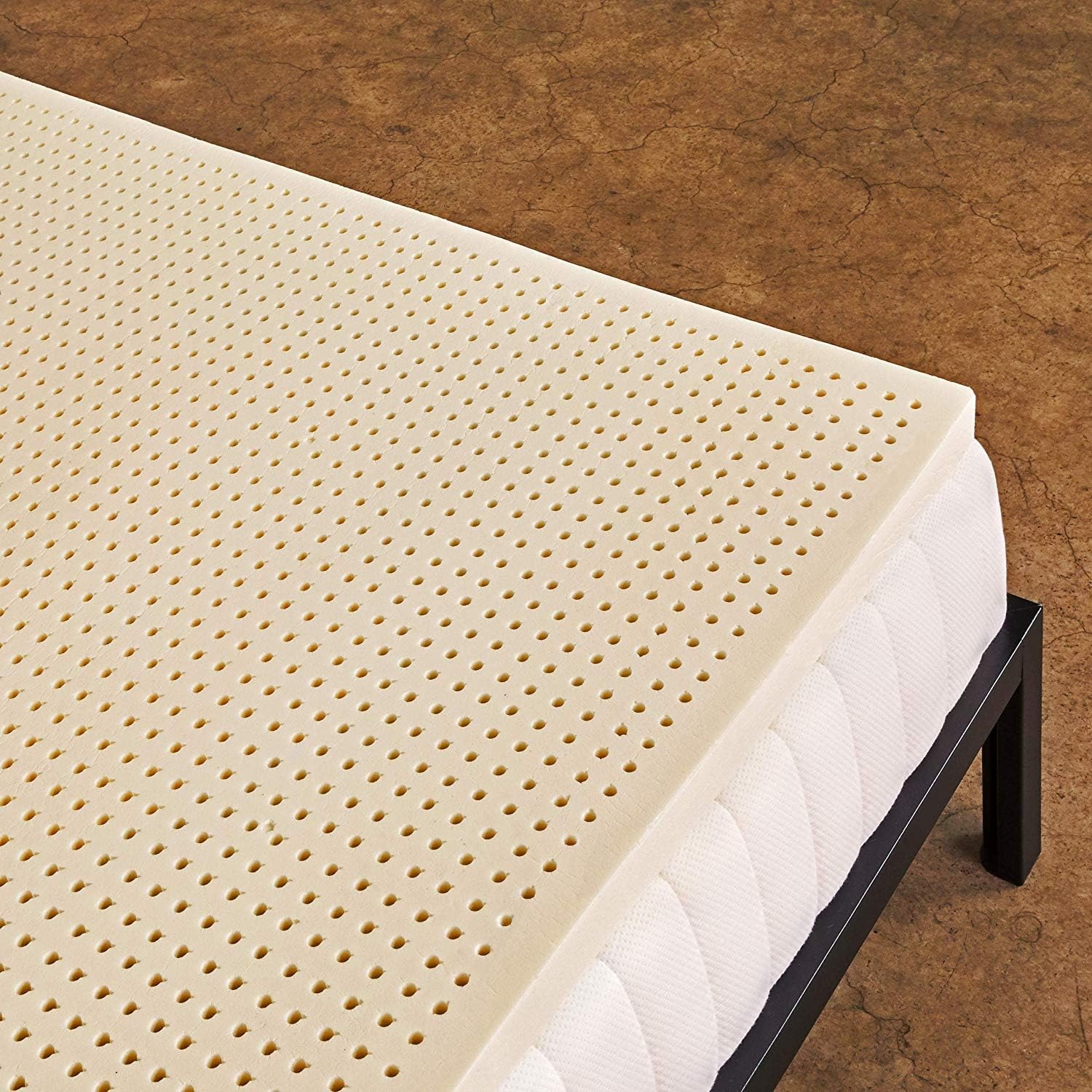
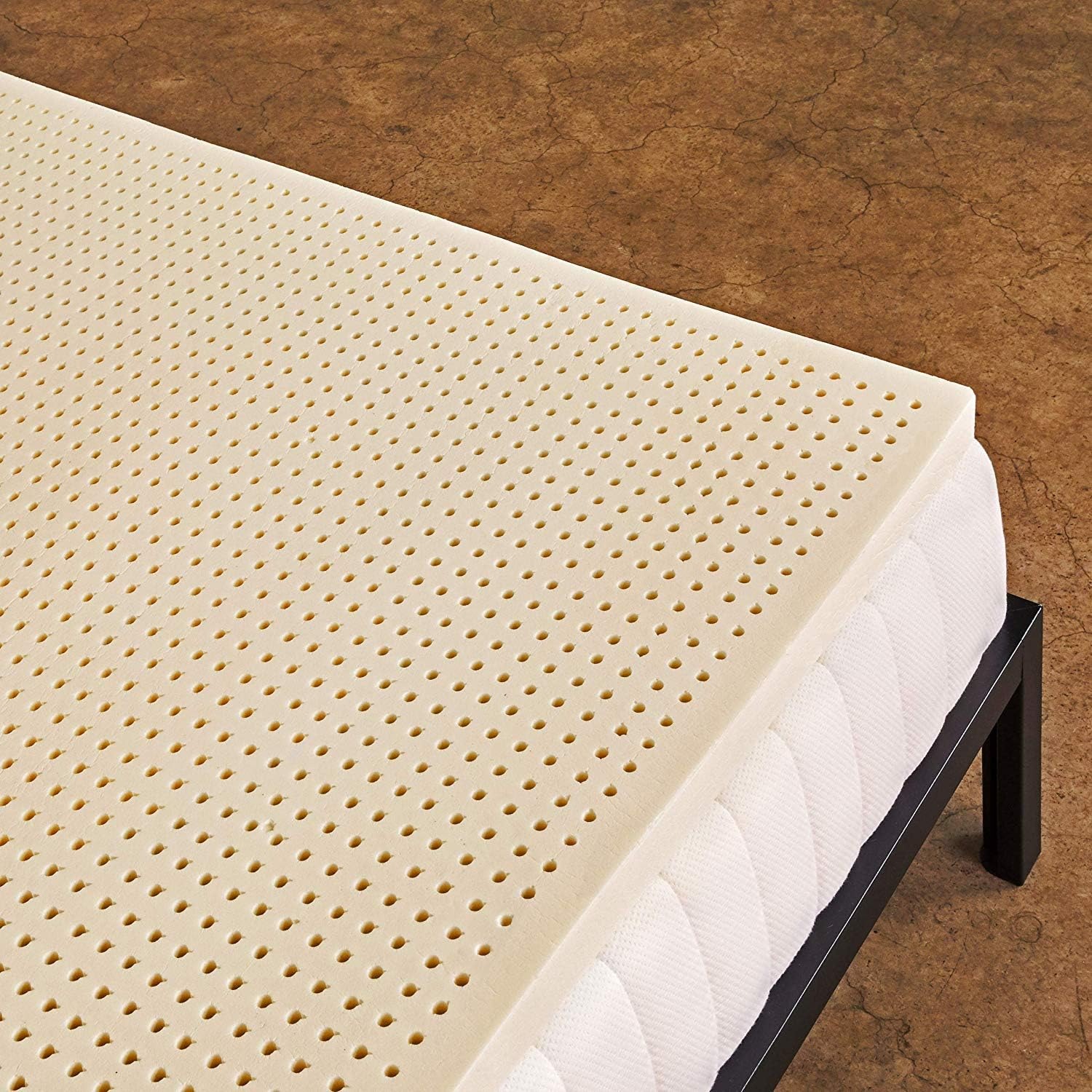
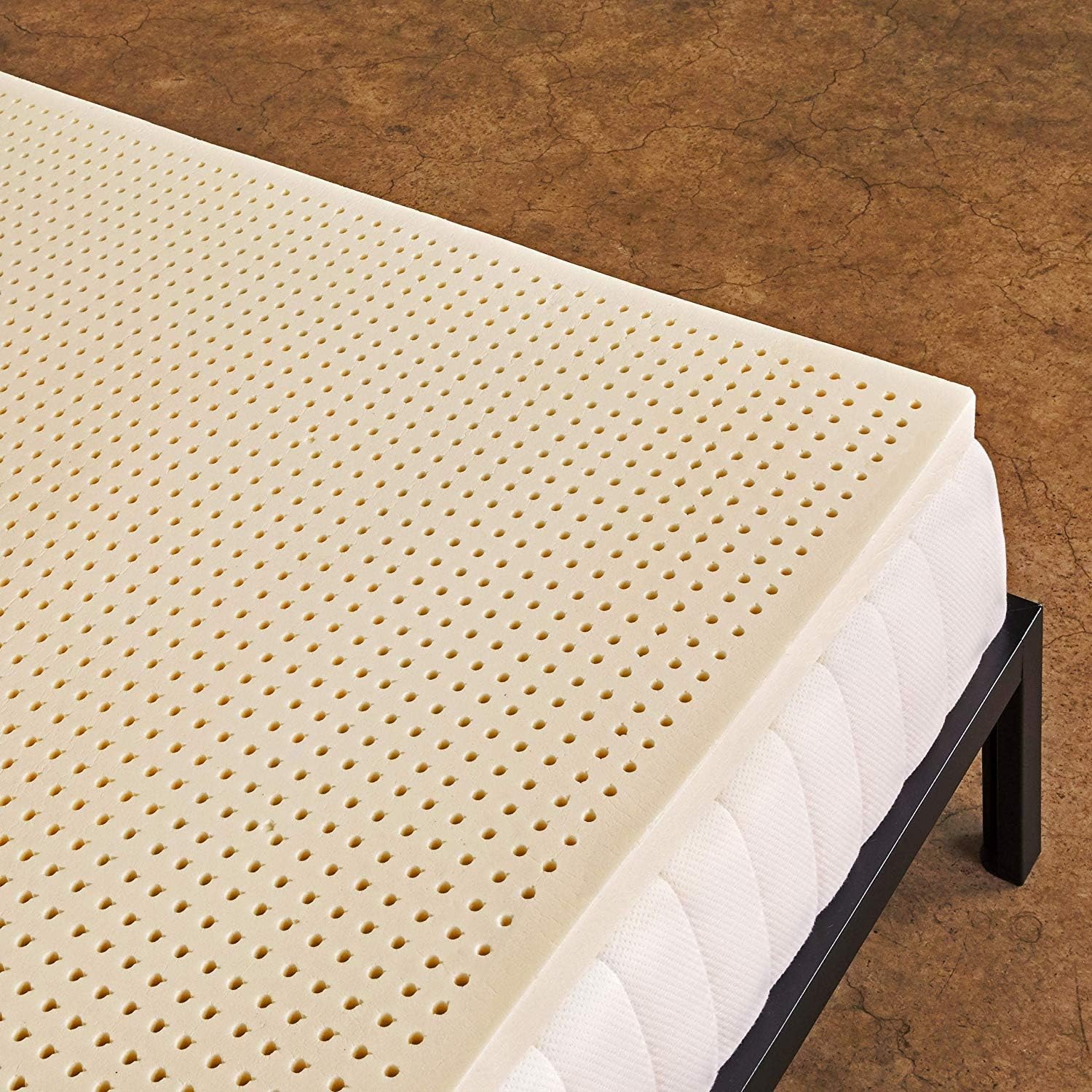
Latex comes from the sap of the Hevea rubber tree. To turn that liquid into a pillow, it has to be whipped into a froth, poured into a mold, and set. The Talalay process is one way of doing that, and it involves vacuuming the mold and flash-freezing the latex before it cures. The practical upshot is a foam with a very even cell structure from top to bottom, with no dense patches and no soft spots.
Those cells are open, meaning they connect to each other. Air can travel through the material instead of being sealed inside it. That is why latex has a reputation as one of the best breathable bed pillow materials. Your head is one of the warmest parts of you, and a pillow that traps heat under it is a pillow you flip four times a night. Airflow does not make the pillow cold, but it does stop warm, damp air sitting right against your face.
The other thing to understand about latex is the bounce. Press your hand into it and it pushes straight back. Memory foam does the opposite, sinking slowly away from pressure and forming a hollow. Neither is better in the abstract. They just feel different, and your preference is probably already formed. If you have ever found memory foam claustrophobic, or disliked the feeling of your head being swallowed, latex is the obvious thing to try next.
Who this pillow suits
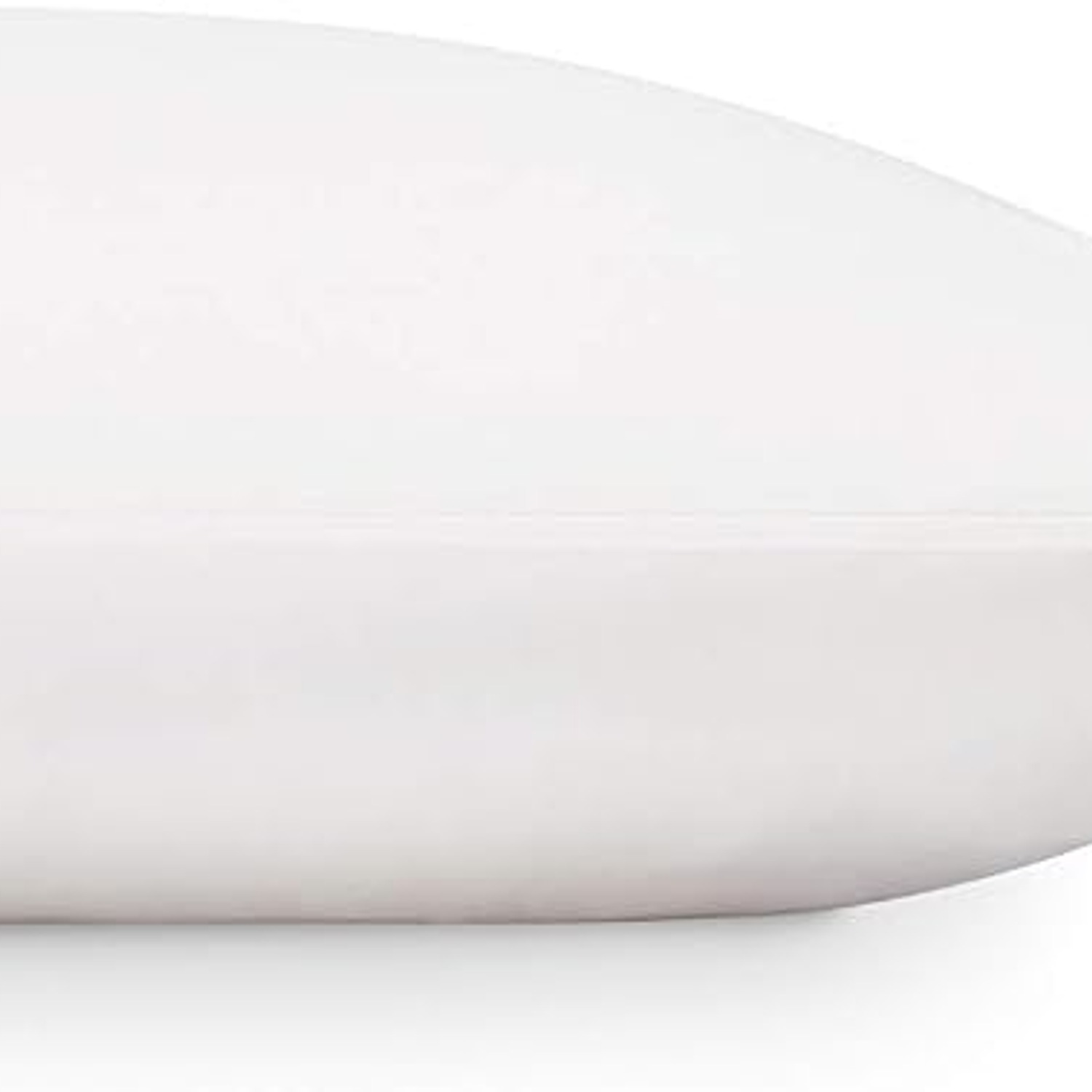
This one is a queen, 27.5 inches by 15.7 inches, in a high profile with medium firmness. That spec sheet points at a particular sleeper.
Side sleepers are the clearest fit. When you lie on your side, your head sits out over a gap, and the size of that gap is basically your shoulder width. Fill it properly and your neck stays in a straight line with the rest of your spine. Under-fill it and your head tips down toward the mattress all night, which is exactly the kind of slow strain that produces a sore neck by morning. Broad-shouldered side sleepers in particular tend to want more loft than they think, which is why the best latex pillow for side sleepers is usually a taller one.
Back sleepers can work with it too, provided they like a firm sense of lift. Lying on your back, the gap to fill is smaller, roughly the curve at the back of your neck. A high profile pillow fills that generously. Some back sleepers love it, others find their chin pushed too far toward their chest. If you are a back sleeper who already stacks a pillow and a folded towel, this will suit you. If you sleep almost flat, it will not.
Stomach sleepers should look elsewhere. Any tall, firm pillow forces the head backward when you are face down, and that is hard on the neck. Stomach sleeping wants the thinnest, softest pillow you can find, or sometimes none at all.
Choosing the right loft
Here is a simple test you can do tonight. Lie on your side on your mattress without a pillow and have someone look at you from behind, or take a photo. The line of your spine should run straight from your lower back up through your neck to the back of your head. Without a pillow it will dip. The amount it dips is the loft you need.
The second check is the mattress. A soft mattress lets your shoulder sink into it, which closes some of that gap and means you need slightly less pillow. A firm mattress holds your shoulder up and opens the gap wider, so you need more. People moving from an old soft bed to a new firm one often find their trusted pillow suddenly feels too low, and the pillow was never the problem.
Firmness matters alongside height. A soft pillow that is tall will compress down to short the moment your head lands on it, so the loft on the label is not the loft you get. A medium-firm latex core holds most of its height under load, which means the height you see is roughly the height you sleep on. That consistency is undersold.
The cover and the liner
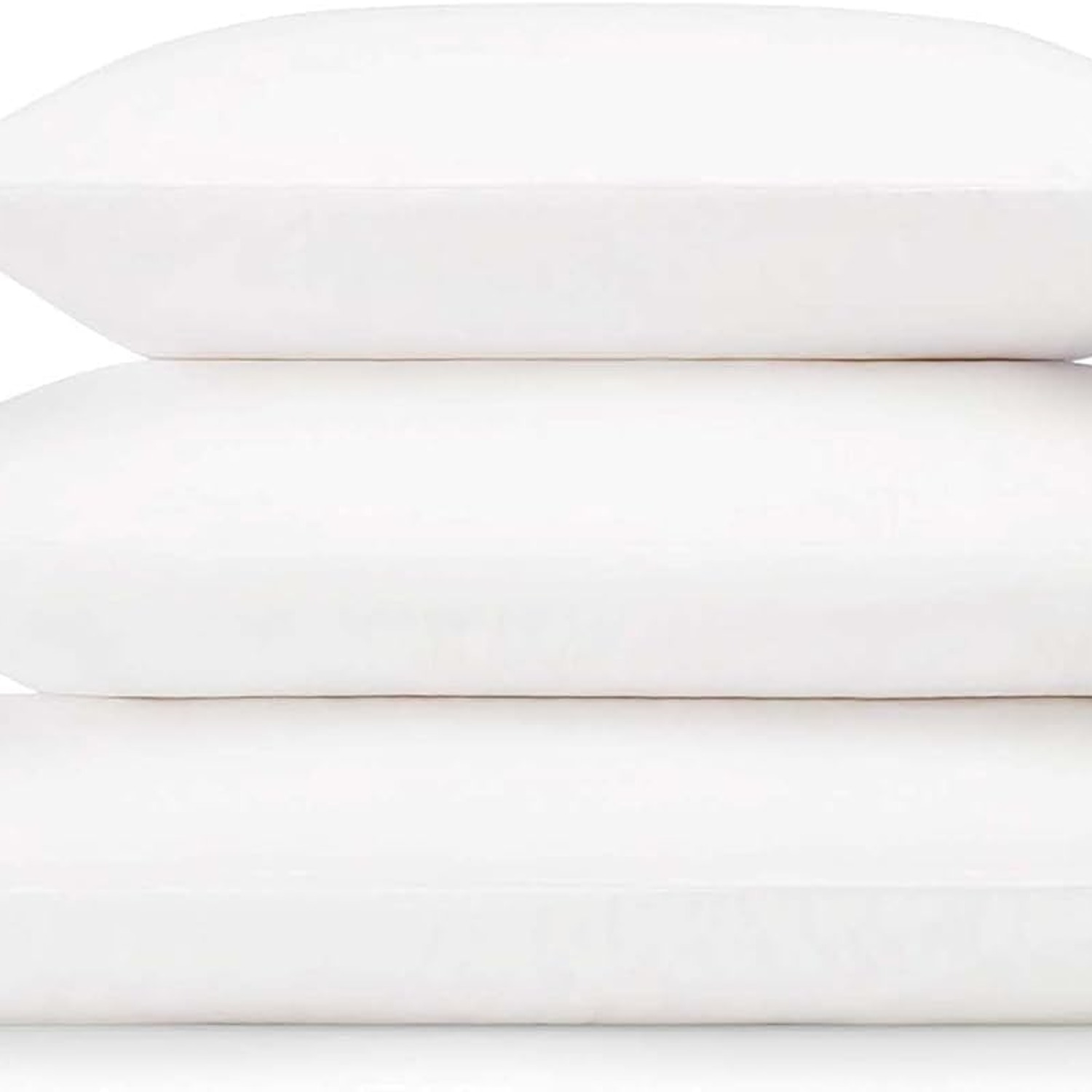
The outer cover here is 100% cotton sateen at 400 thread count. Sateen is a weave, not a fiber, and it gives cotton a smoother, slightly glossier surface than the crisper percale weave. Against the cheek it feels soft rather than brisk. It comes off the pillow and goes in the washing machine, which is the part that actually matters day to day, because the surface you breathe into every night should be washable.
There is also a fitted liner included, sitting between the cover and the latex core. It takes the brunt of the oils and dust, and it keeps the core from catching on the cover when you pull it on and off.
Most people still put a regular pillowcase over the top. That is sensible. A case is cheap, it washes weekly without fuss, and it saves wear on the sateen.
Looking after it
The rules are short. The cover washes, the core does not.
Wash the cotton sateen cover on a cool gentle cycle and dry it low or on the line. Never put the latex core in the machine, never soak it, and never tumble dry it. Water inside a solid latex core takes a very long time to leave and can break the material down. If the core needs attention, use a barely damp cloth with a little mild soap, work gently, and let it air dry fully before putting the cover back on.
Keep it out of long spells of direct sunlight. UV is hard on latex over time, so a pillow left sitting on a sunny windowsill will age faster than one that lives on the bed. Same goes for parking it against a radiator.
Beyond that, airing it out now and then with the cover off is all the maintenance it needs. There is no fluffing, no shaking, no redistributing the fill, because there is no fill to redistribute.
What to expect in the first week
Be ready for an adjustment period. Latex feels different from whatever you are coming off, and a change in loft takes a few nights for your neck to accept even when the new height is the correct one. Most people settle in within a week.
The weight is the other thing people notice. At 4 pounds, it is heavier than a fiber pillow. That is not a flaw. It means the pillow stays put rather than sliding off the bed, and it is a side effect of there being real material in there instead of air and polyester.
The short version
If you sleep on your side, run warm at night, and you are tired of replacing flat pillows every eighteen months, a Talalay latex pillow is a straightforward answer. The solid core holds its height, the open cells move air, the medium firmness gives genuine support without feeling like a brick, and the cotton sateen cover washes.
If you sleep on your stomach, or you specifically love the slow sink of memory foam, this is not the one for you. Pillows are personal, and the best pillow is simply the one that keeps your head level with your spine all night. Measure your gap, match the loft, and the rest tends to sort itself out.