

The complete guide
How to Choose a Latex Wedge Pillow That Actually Stays Put
The pillow pile problem
Almost everyone has done this. You want to sit up in bed to read, watch something, or just rest for a while without lying flat. So you grab every pillow in the room and build a backrest out of them. It works for about fifteen minutes. Then the top pillow slides, the bottom one squashes, and you end up with your neck bent at an angle that will annoy you tomorrow morning.
The issue is that ordinary pillows are made to cushion a head, not to carry the weight of a torso. They are soft on purpose. Stack enough of them and the softness compounds until there is no real structure left, just a sinking heap that keeps shifting every time you move.
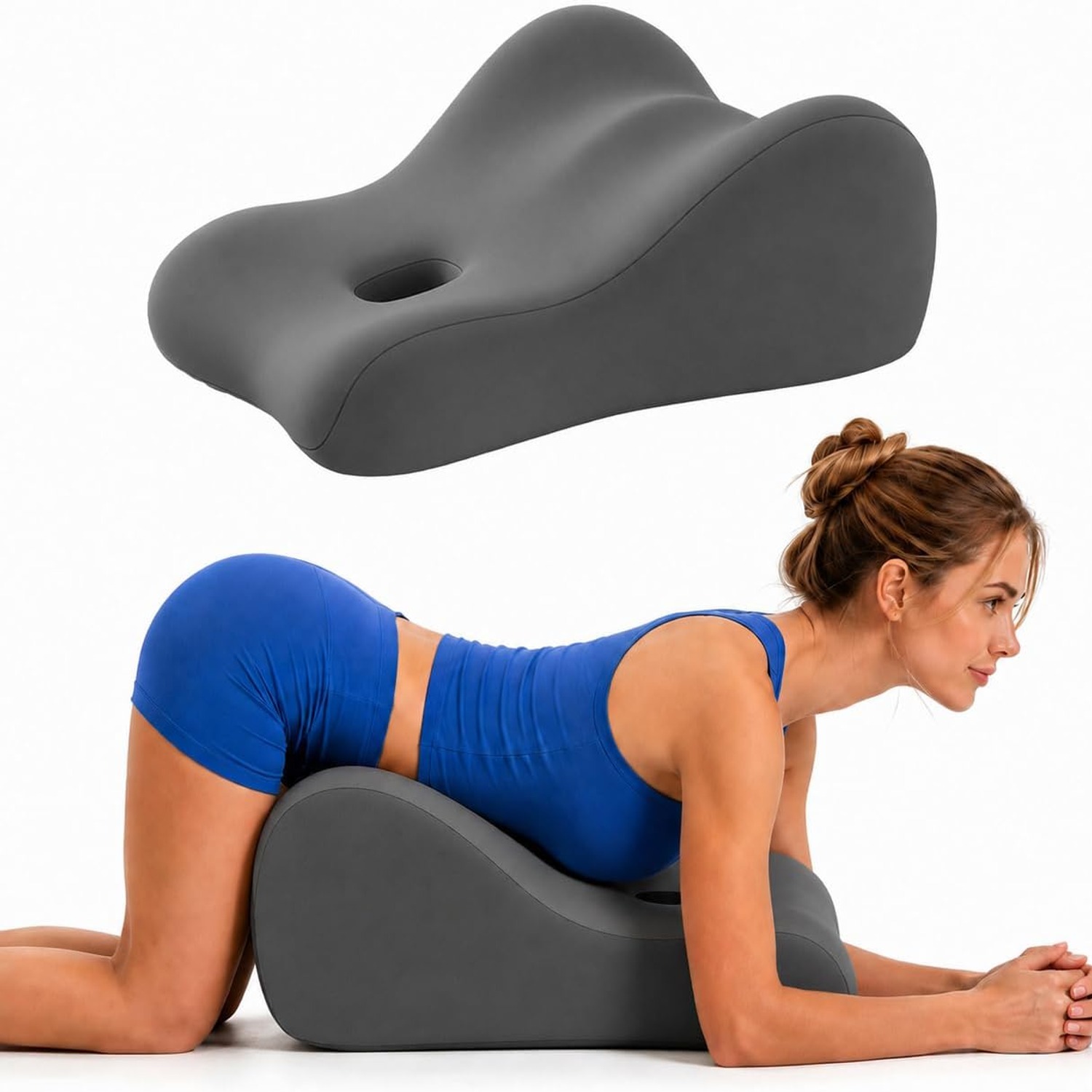
A wedge pillow fixes this by being one piece with one job. It has a fixed angle and enough internal firmness to hold that angle while you lean on it. You put it in place once and it stays there. That single difference is the reason people who try a wedge rarely go back to stacking.
Why latex suits this shape
The material inside a wedge matters more than it does in a head pillow, because the cushion has to resist being flattened rather than just feel nice under a cheek.
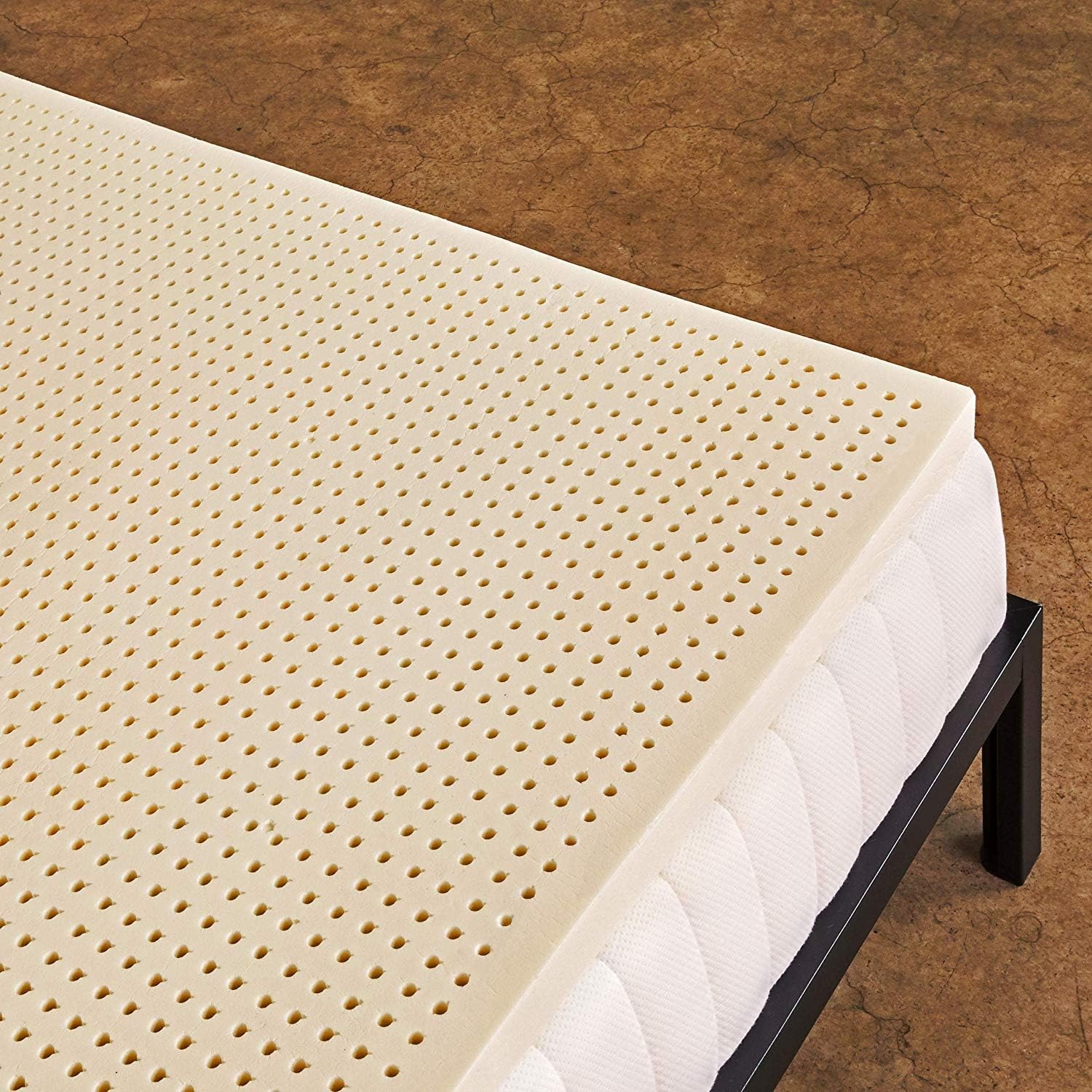
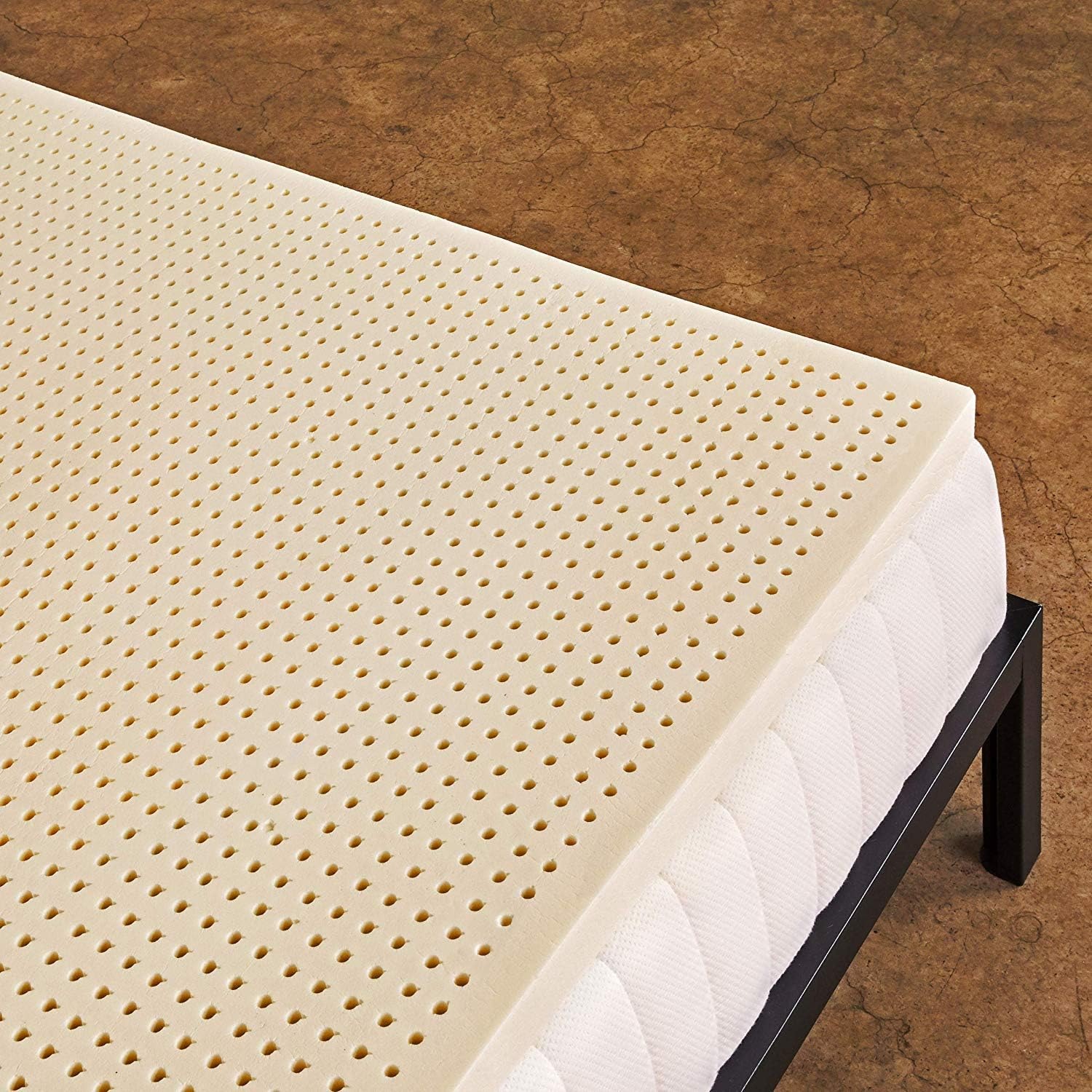
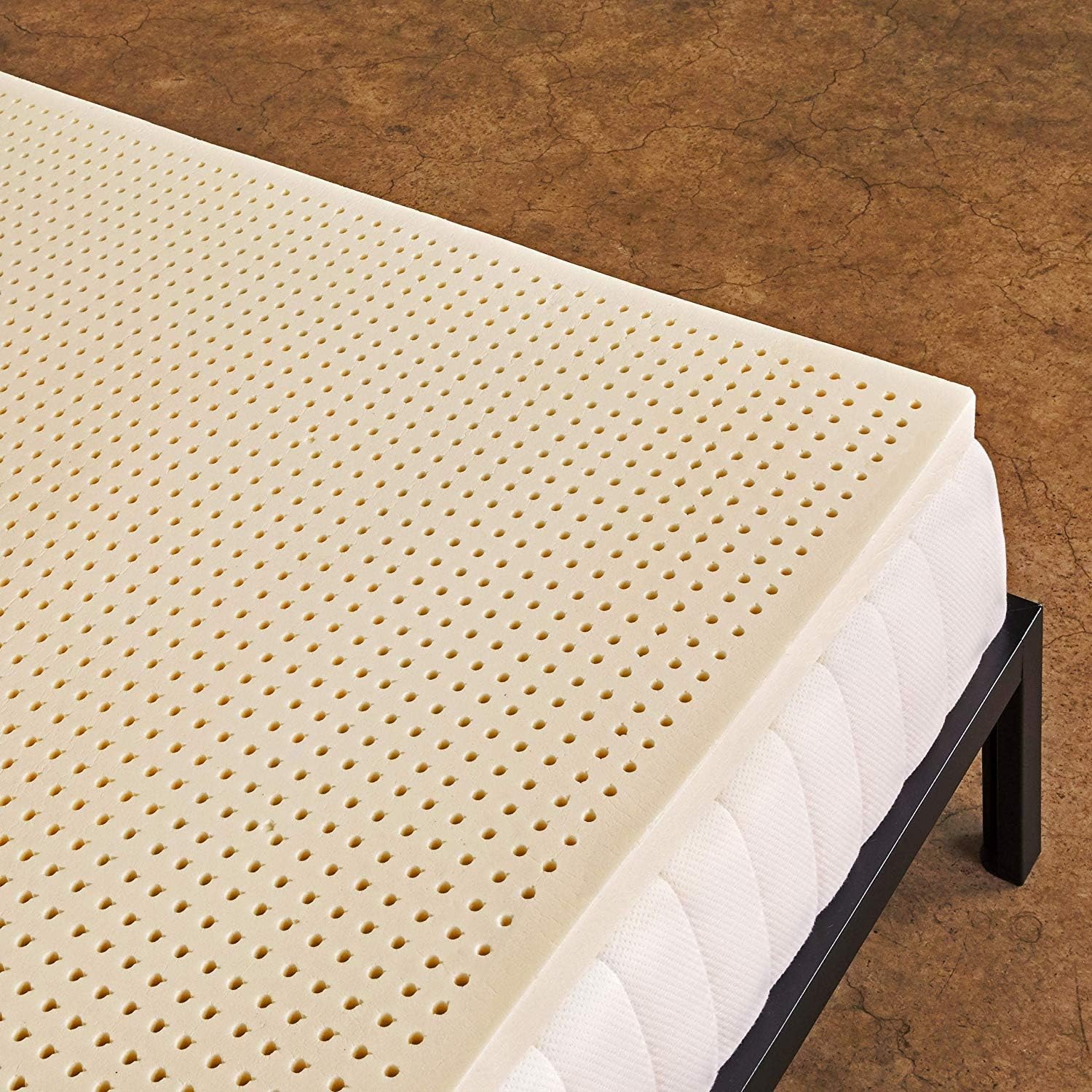
Latex has a particular quality. It is resilient. Push into it and it compresses at that point, then springs back as soon as the pressure lifts. It does not hold a dent and it does not slowly collapse over an evening of use. For a shape that relies on keeping its geometry, that is exactly what you want.
There is a comfort angle too. Slow-sinking foams can feel like you are being swallowed, which some people love and others find restrictive. Latex sits differently. It yields where you press and supports everywhere else, so you feel held rather than buried. If you have ever got off a dense foam cushion and felt like you had to climb out of it, the springier feel will make sense right away.
Heat is the third factor. Anything your back rests against for an hour builds warmth. An open, breathable core lets that warmth escape instead of pooling at the surface. That is a big part of why a breathable wedge pillow stays comfortable through a long film or a late reading session, while a dense block can start to feel sticky.
What a wedge is actually for
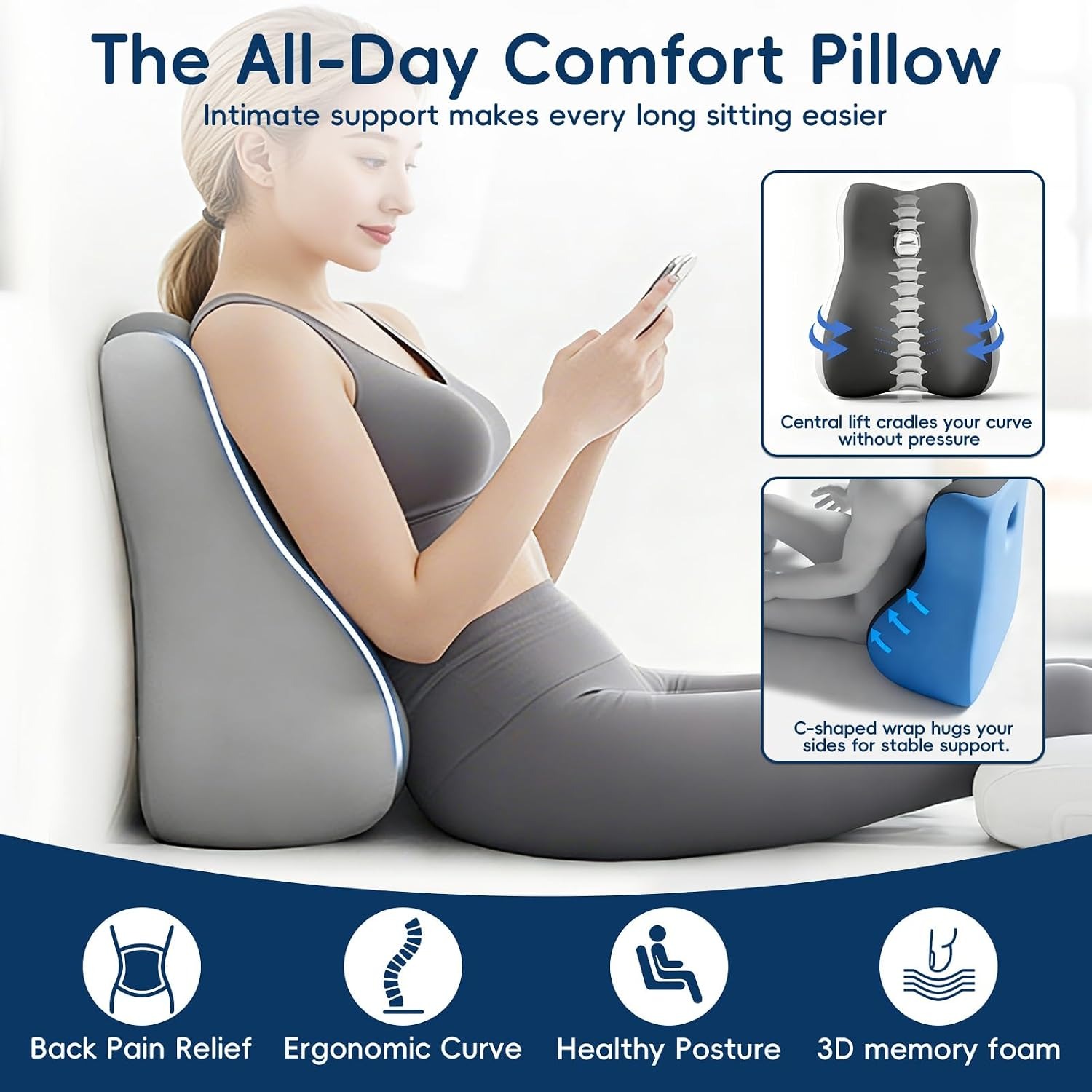
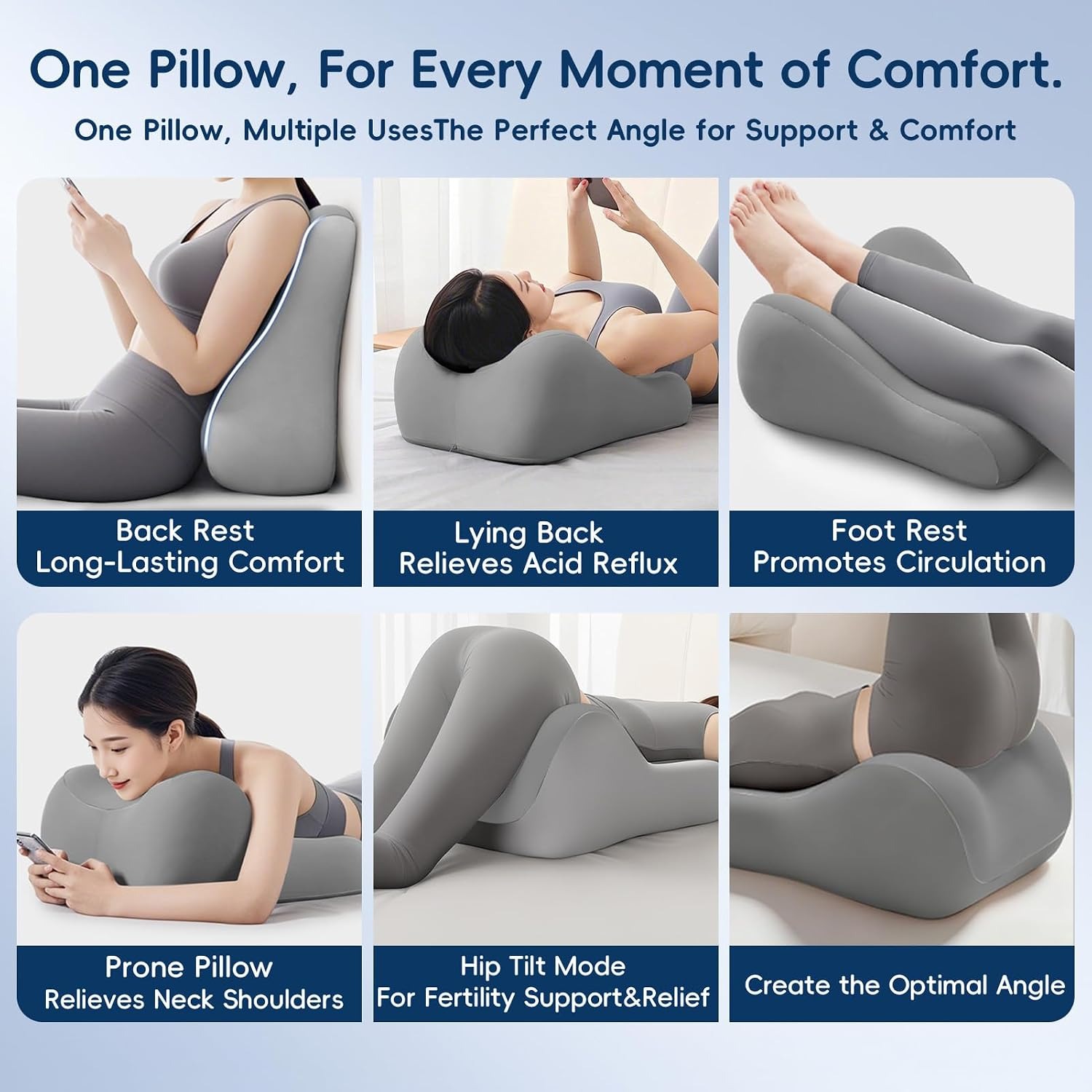
The obvious use is sitting up in bed. Behind the back, a wedge turns a flat mattress into something closer to an armchair. You can read, use a laptop, eat breakfast or just rest without craning your neck forward.
Underneath, it does something different. Slide a wedge under your knees while lying on your back and the lower spine settles into a more neutral position. People with tired or tight lower backs often find this more useful than anything they put behind their head. The same position raises the legs, which is why a wedge doubles as a leg elevation pillow after a day on your feet.
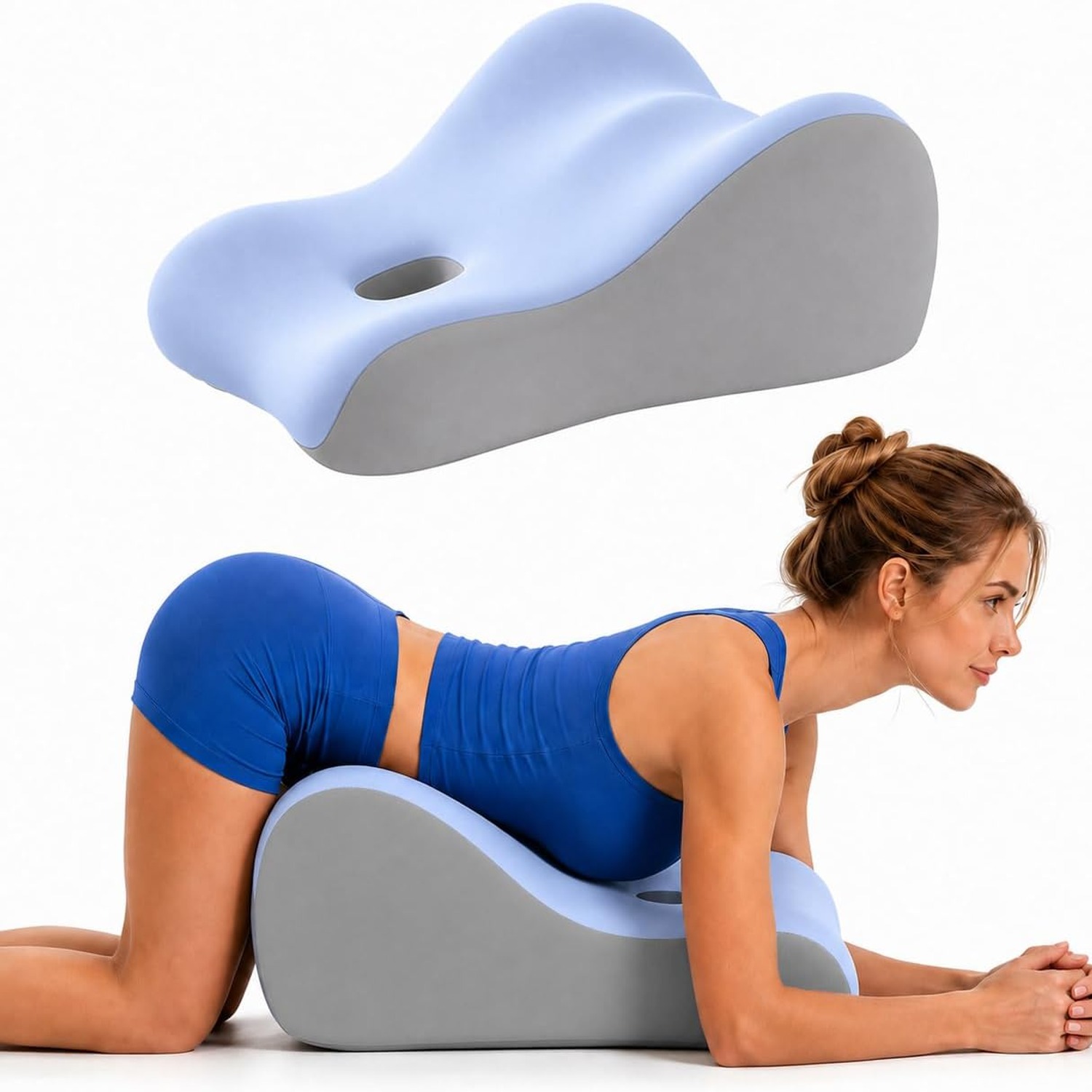
During pregnancy, a firm wedge tucked under the belly or behind the back makes side-lying much easier to hold. It takes some of the load off the hips and stops you rolling onto your back overnight. Plenty of people buy one purely as a pregnancy support cushion and then keep using it long afterwards.
Then there is recovery. After surgery, an illness, or anything that makes lying flat uncomfortable, a steady incline can be the difference between resting and not. The key word is steady. A wedge that holds its shape is doing something a pillow pile simply cannot.
Choosing the right height and angle
This is where most buying decisions go wrong, so it is worth thinking about before you order.
A low, gentle wedge suits people who want a slight lift. It is good under the legs, good for a mild incline while sleeping, and good if you share the bed and do not want a tall block in the way. A taller, steeper wedge suits sitting upright. It is better for reading, working, or anyone who wants a real change in position rather than a nudge.
Think about how you will use it most. If the honest answer is reading in bed for an hour most nights, go taller. If it is mostly leg elevation and occasional back support, go lower. If you want both, a lot of people solve it by owning two and using whichever suits the evening.
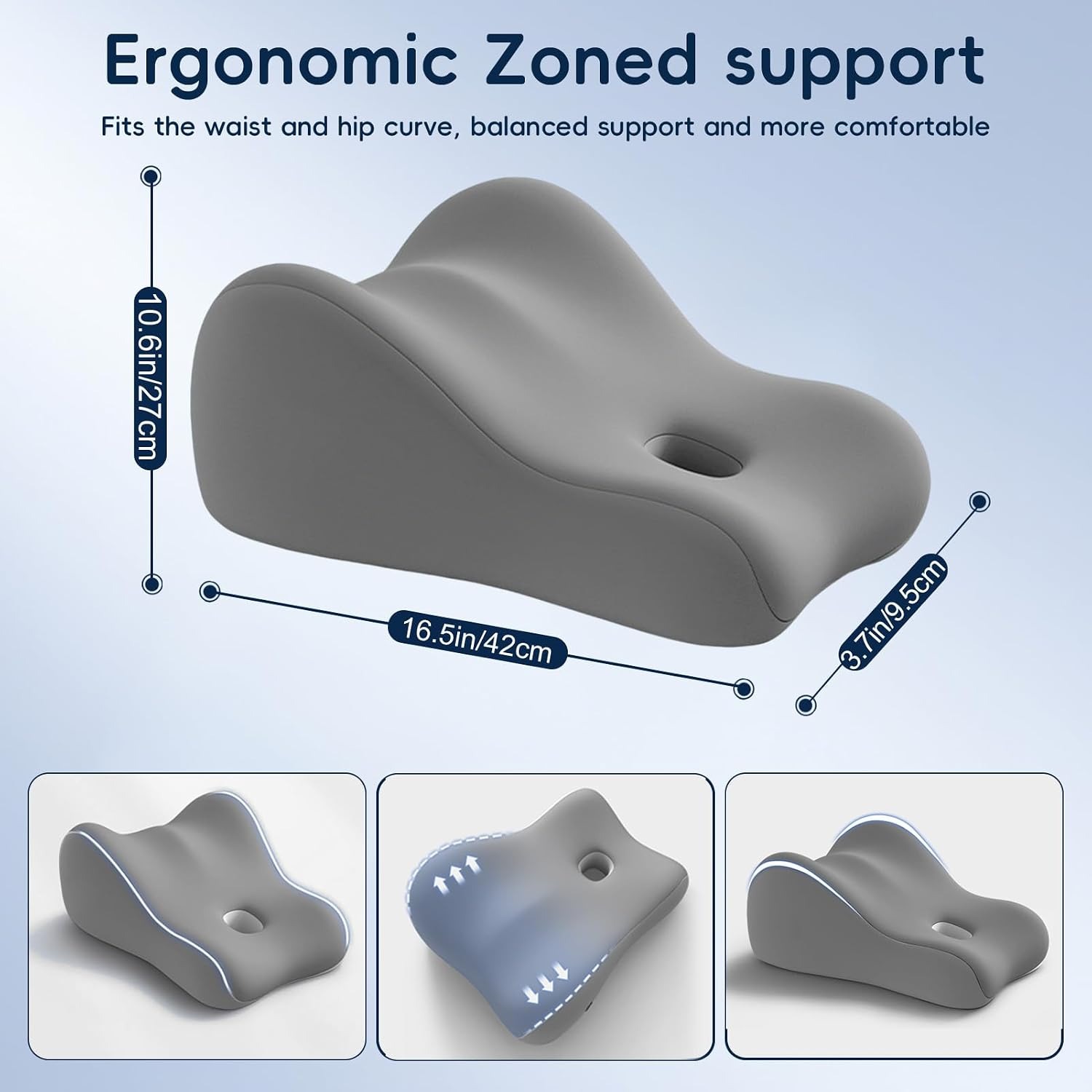
Width matters as well. A narrow wedge supports your spine but leaves your shoulders unsupported, which can feel odd. A wider one spreads the contact area. Our record for this product does not specify dimensions, so if the footprint is critical for your bed size, message us before you buy and we will check what we can confirm.
Living with it day to day
A cushion you lean against daily picks up skin oils, hair products and the odd spill. That is normal and it is why the cover matters.
The outer cover on this wedge unzips completely, which means you can take it off and run it through a normal cool wash. Mild detergent, no bleach, no softener, then dry it gently. That one habit does most of the work of keeping the pillow pleasant. A good removable cover wedge pillow is far easier to live with than one where the fabric is sewn shut.
The core is a different matter. Never put a foam or latex core in a machine and never soak it. If something spills, blot it, spot clean with a barely damp cloth, and let it air dry completely before the cover goes back on. Moisture trapped inside a dense core takes a very long time to leave and can cause smells.
Beyond that, the care is simple. Air the pillow occasionally. Keep it out of direct sunlight, which degrades most foams over time. Do not store it folded or crushed under heavy things, because even resilient materials take a set if you compress them for months.
Small details that make a difference
A few practical points come up again and again from people who buy their first wedge.
Give yourself an adjustment period if you plan to sleep on it. Changing the angle you sleep at is a real change and your body notices. A week is usually enough to know whether it suits you.
Use a thin pillow on top if you need head support. A wedge raises your torso, not your head, and some people want a small amount of extra lift under the neck. A low profile pillow works better here than a thick one, which can push your chin toward your chest.
Keep it on a stable surface. Wedges grip reasonably well on a fitted sheet but can slide on a slippery duvet cover. If it moves around, tuck the bottom edge under the sheet or place it against the headboard.
Consider a second one if you share a bed. Two people fighting over one wedge is a predictable outcome, which is why a wedge cushion for couples tends to be bought in pairs.
The short version
A wedge pillow solves a specific, common annoyance, which is that ordinary pillows will not hold you up. This one uses a contoured, multi-angle shape and a resilient latex feel to keep its position instead of sagging, with a breathable core that does not trap heat the way dense foam can.
It works behind the back for reading, under the knees for lower back relief, under the belly or behind the back during pregnancy, and under the legs for elevation. The cover unzips and goes in the machine, which keeps the whole thing fresh with very little effort.
Some details, including exact measurements, weight and country of origin, are not specified in our supplier record, and we would rather say that plainly than invent numbers. If the size is the deciding factor for you, get in touch before you order and we will tell you what we can confirm.