
The complete guide
How to Choose a Talalay Latex Pillow That Actually Fits Your Neck
The problem with the pillow you already own
Most people replace a pillow long after they should. It happens slowly. The fill packs down, the support drops away, and you start folding the pillow in half at night without really noticing. Then you wake up with a sore neck, blame the mattress, and buy a new mattress.
A pillow has one job. It fills the gap between your head and the bed so your neck sits in roughly the same line it holds when you stand up straight. If the pillow is too flat, your head tips down. Too thick, and your chin pushes toward your chest. Either way, the muscles along the side of your neck spend seven hours holding a position they do not like.
Latex is one of the few fills that keeps doing that job for years. It does not need fluffing. It does not slowly turn into a pancake. That is the whole argument for it.
How Talalay latex works
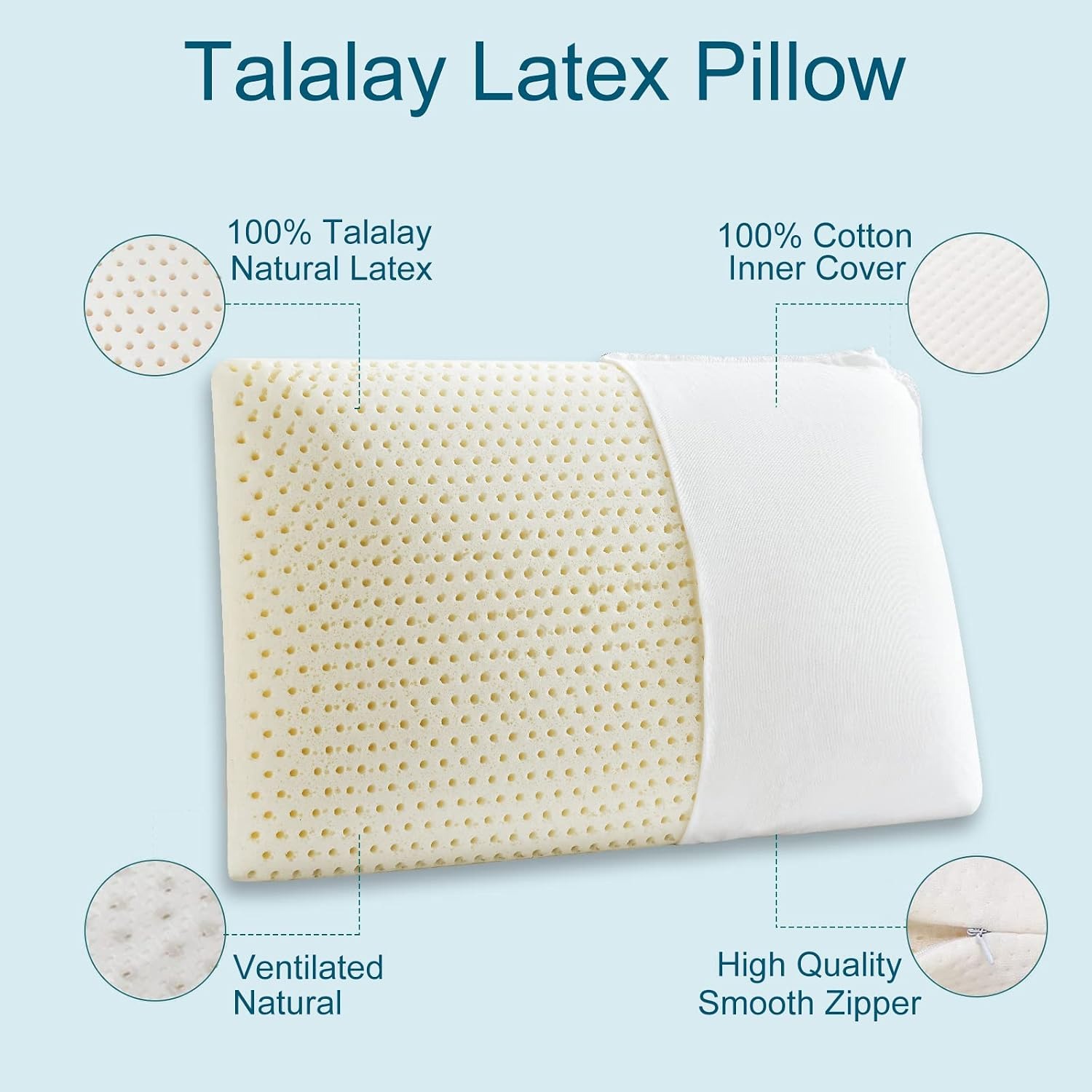
Latex foam comes in two main varieties, Dunlop and Talalay. The difference is in how the liquid latex is handled before it sets. The Talalay process involves freezing the liquid in the mold before curing, which produces a lighter, more open and more evenly distributed foam.
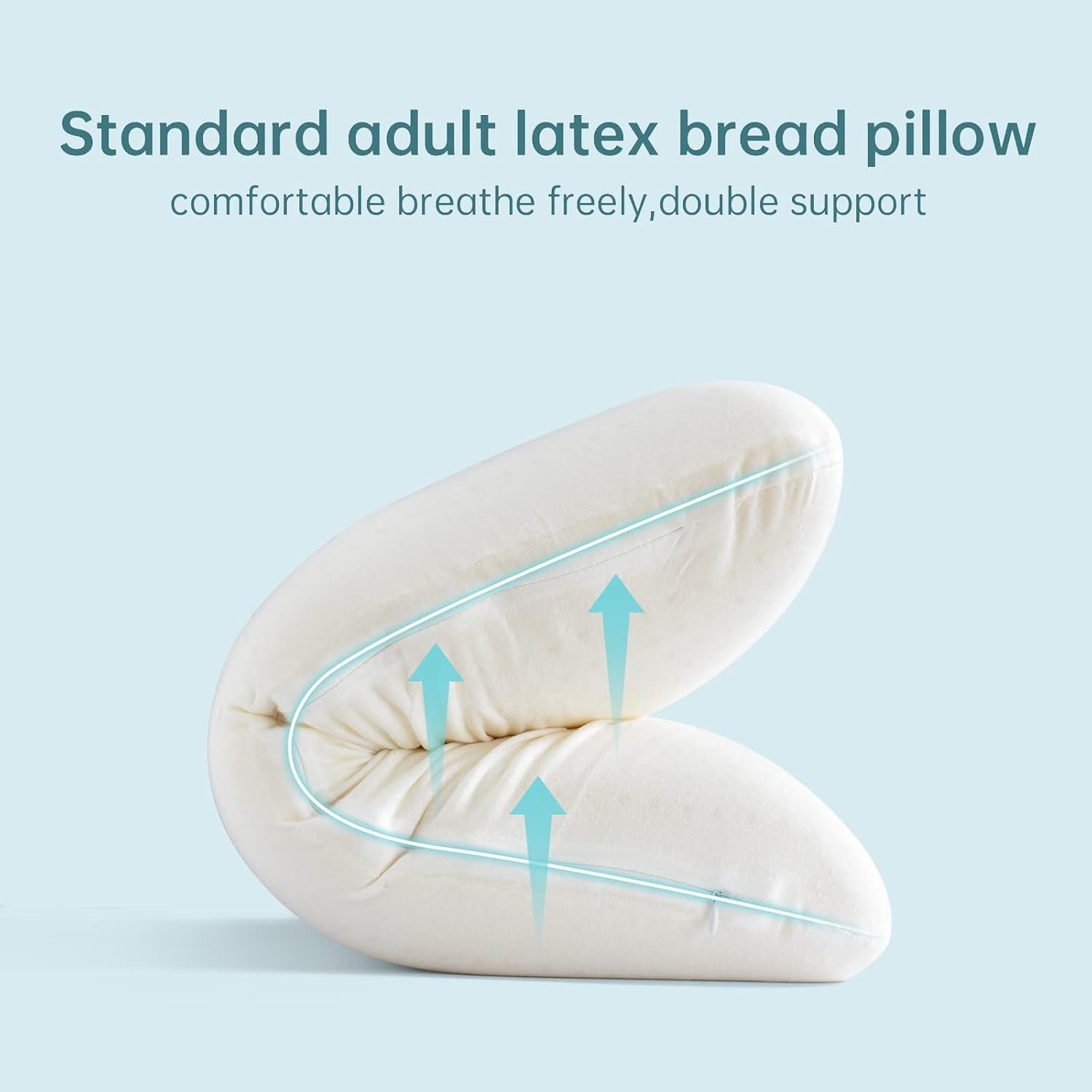
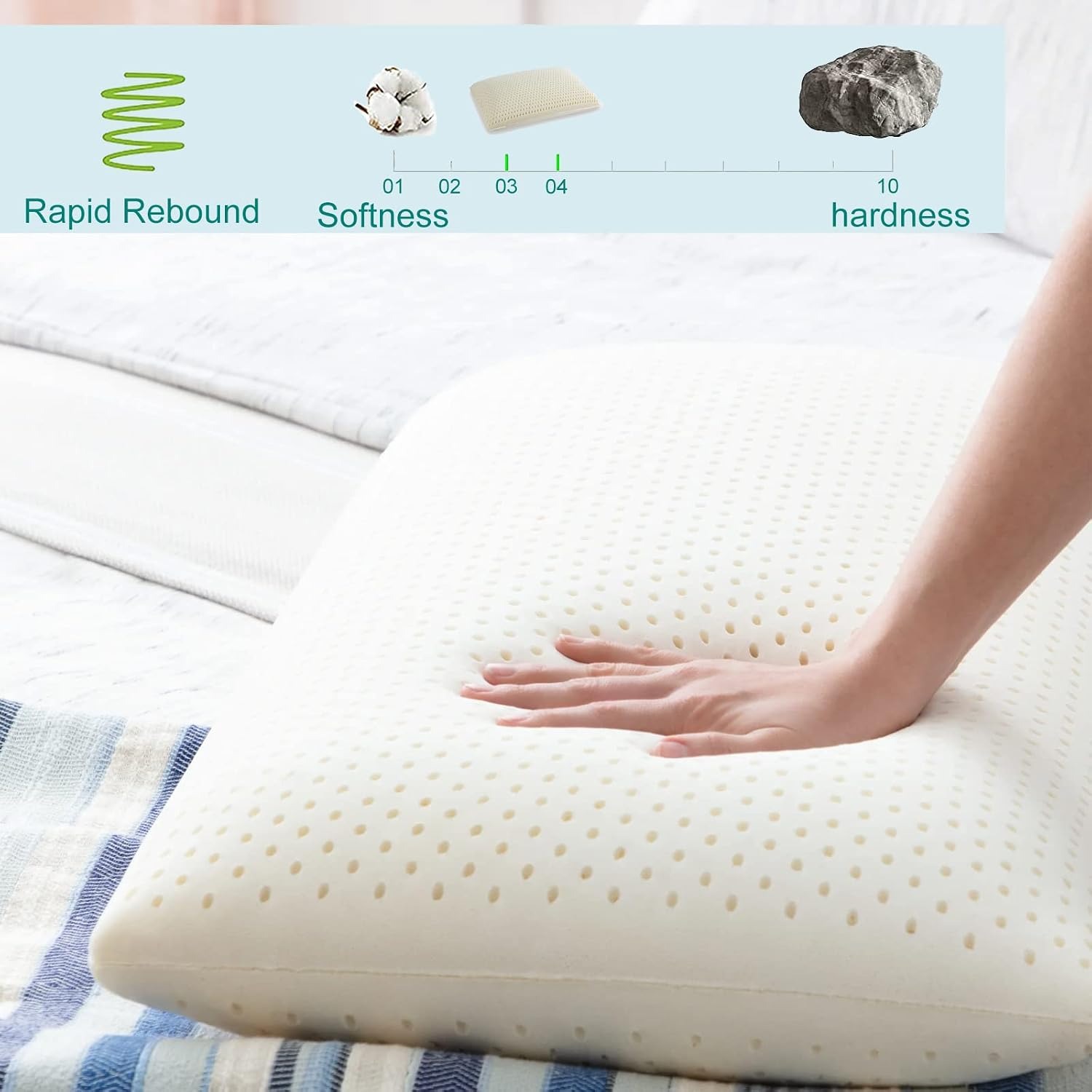
The practical result is a pillow that feels springy. Press your hand into it and the surface pushes back immediately. Lift your hand and it is back to level in a second. There is no slow sinking, no body-heat-activated softening, and no crater left behind at 4am.
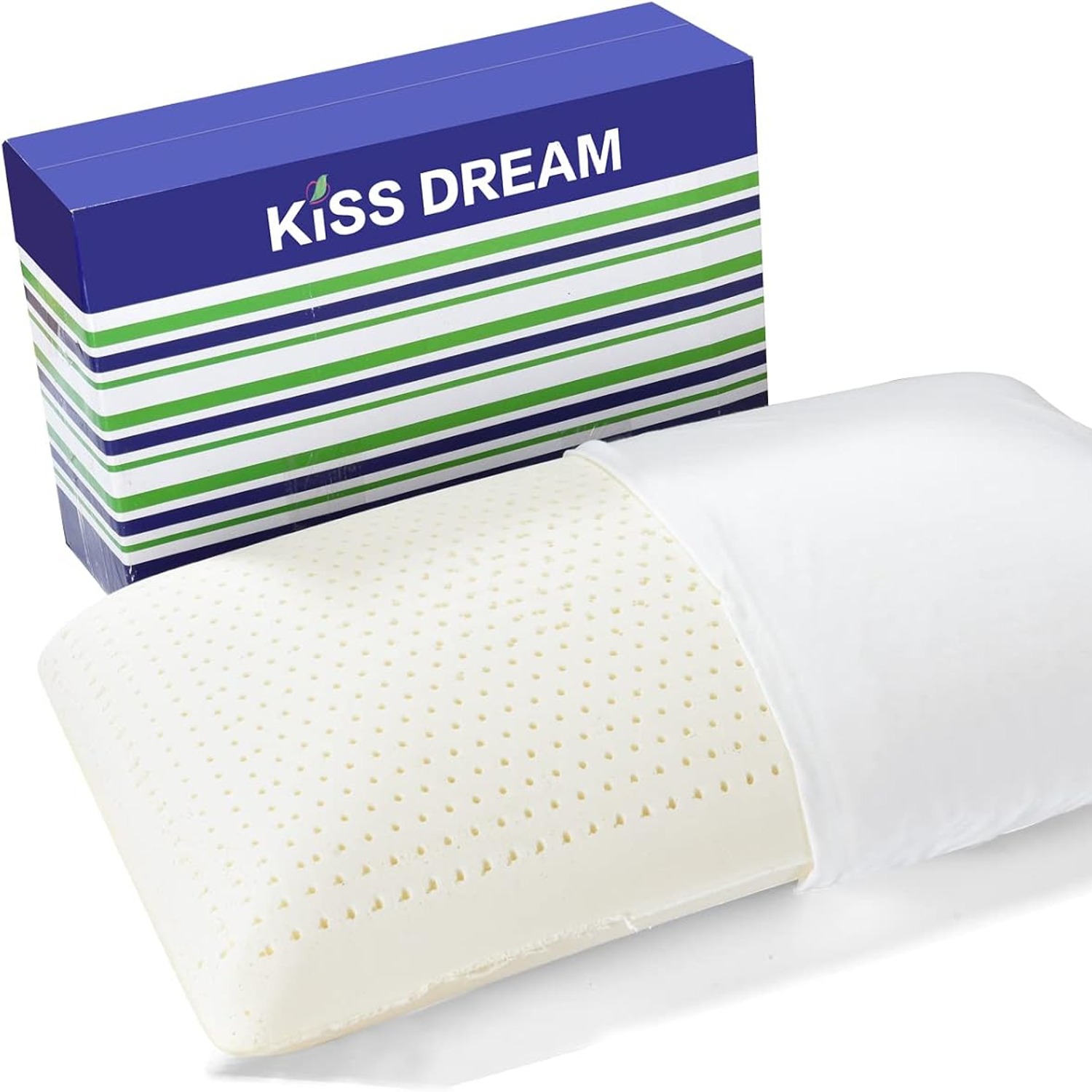
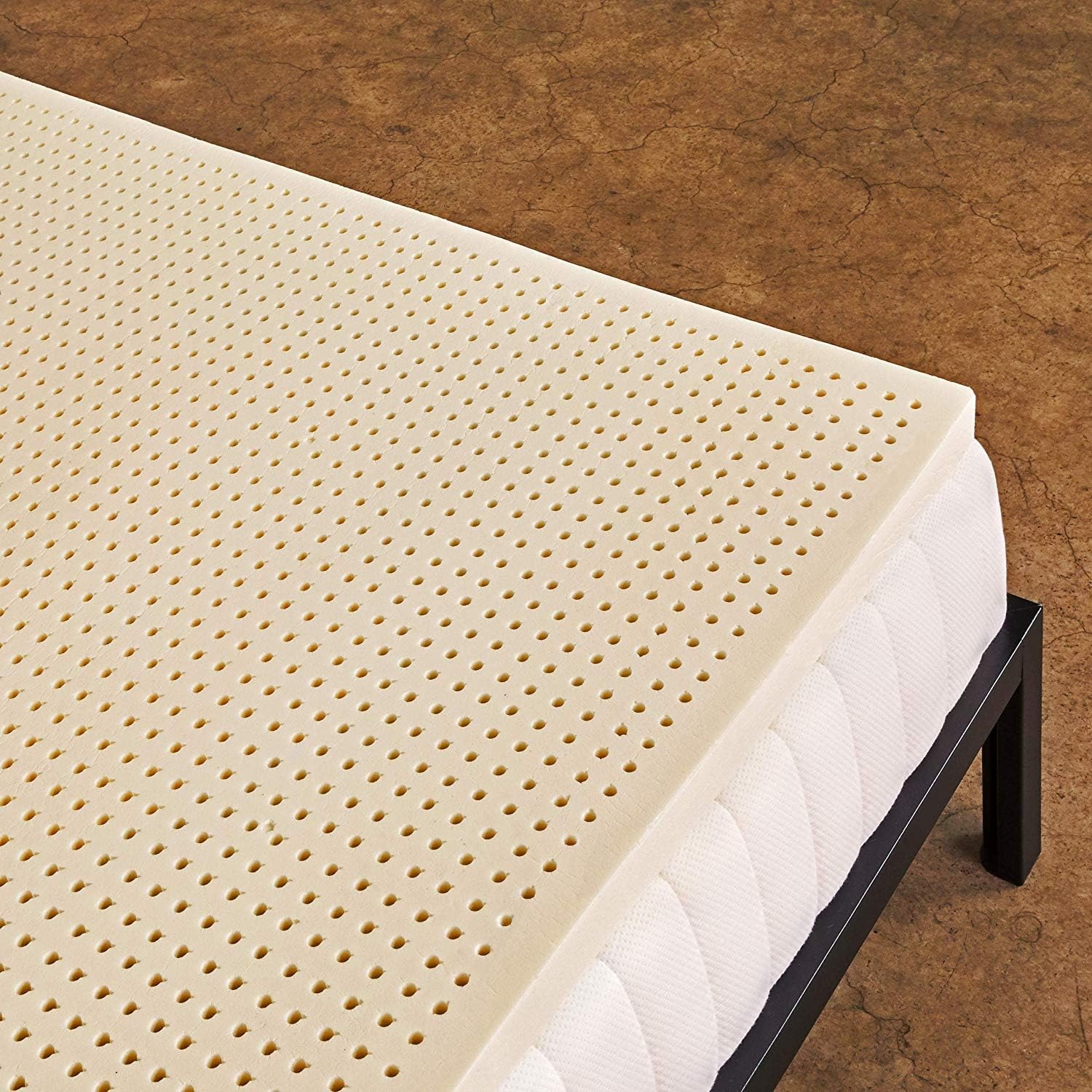
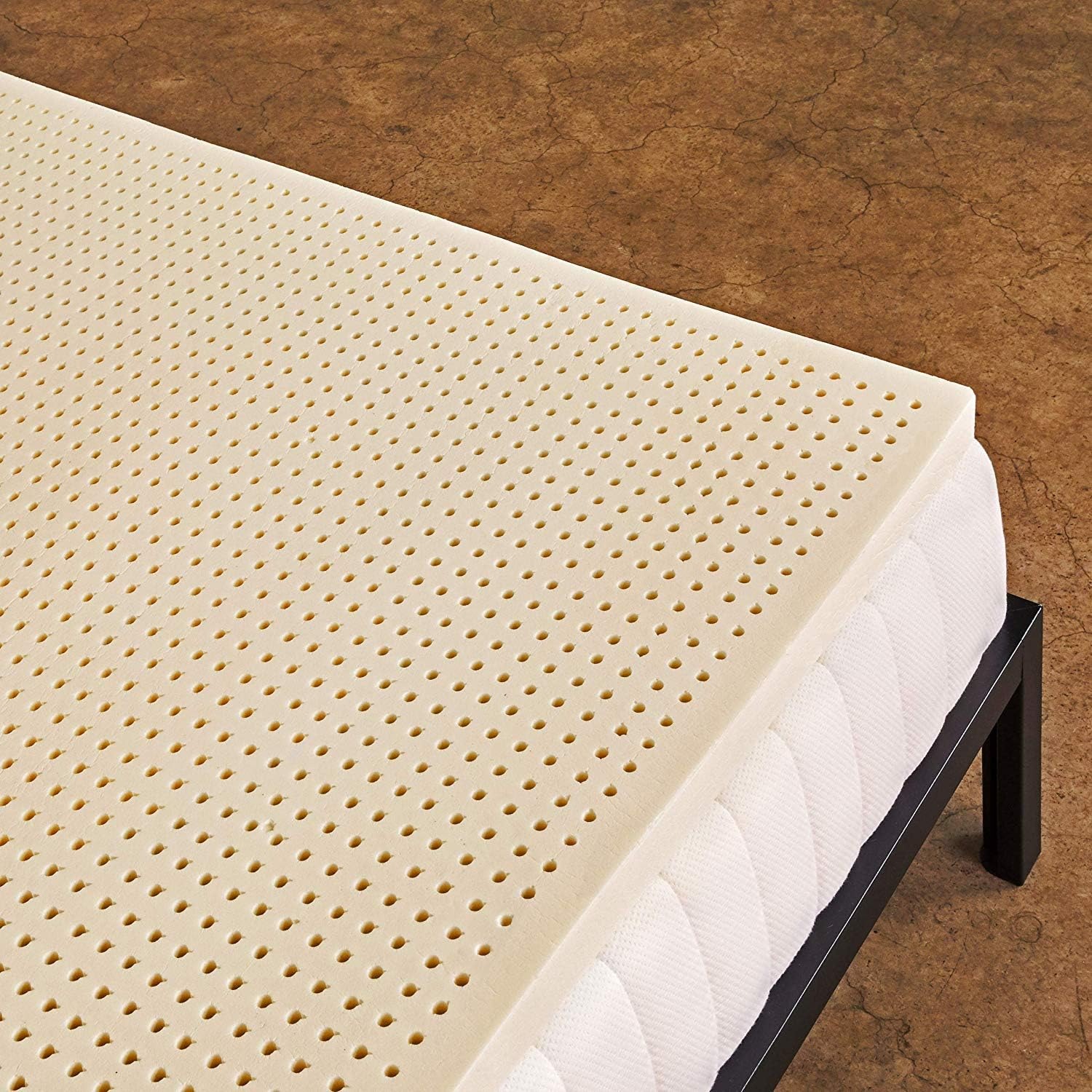
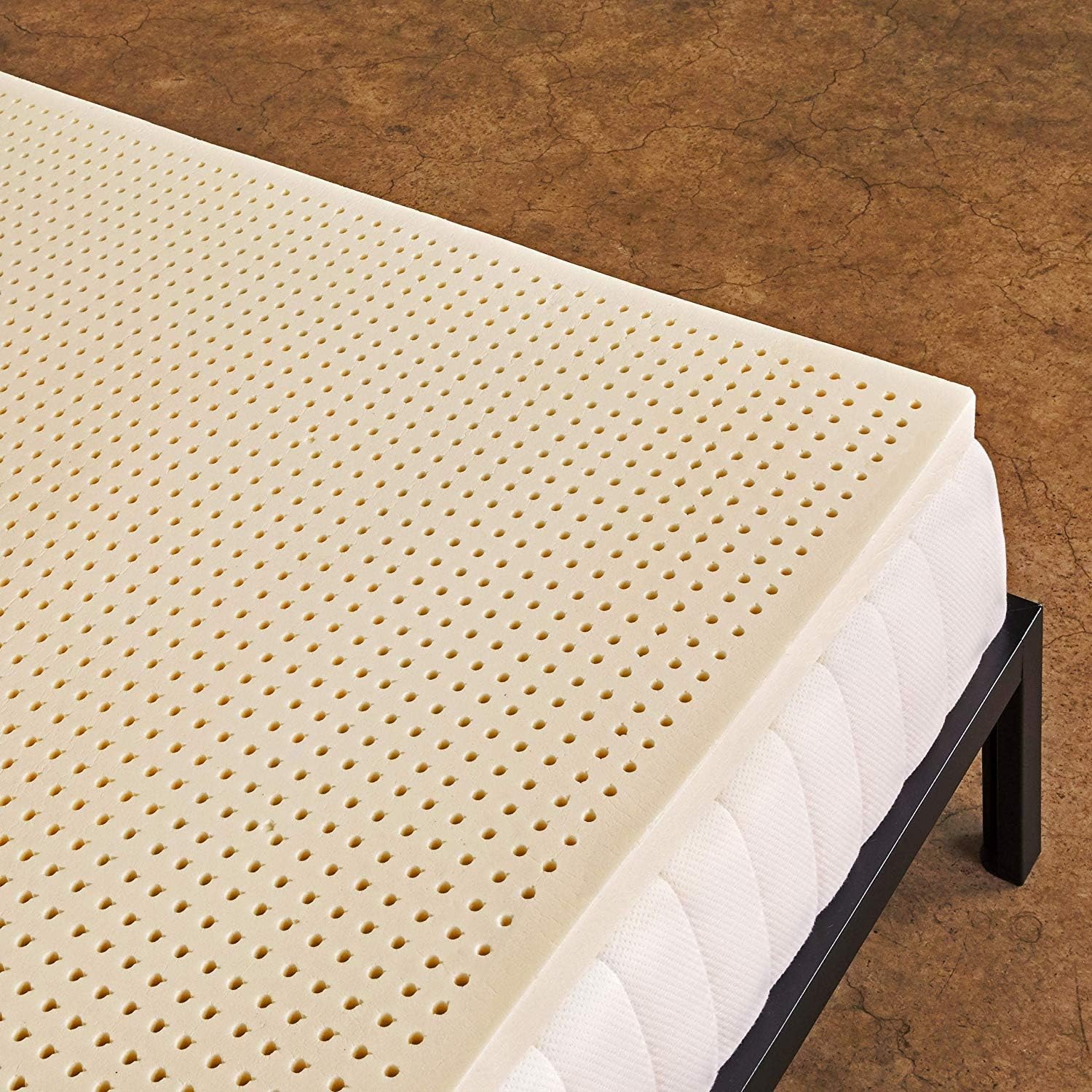
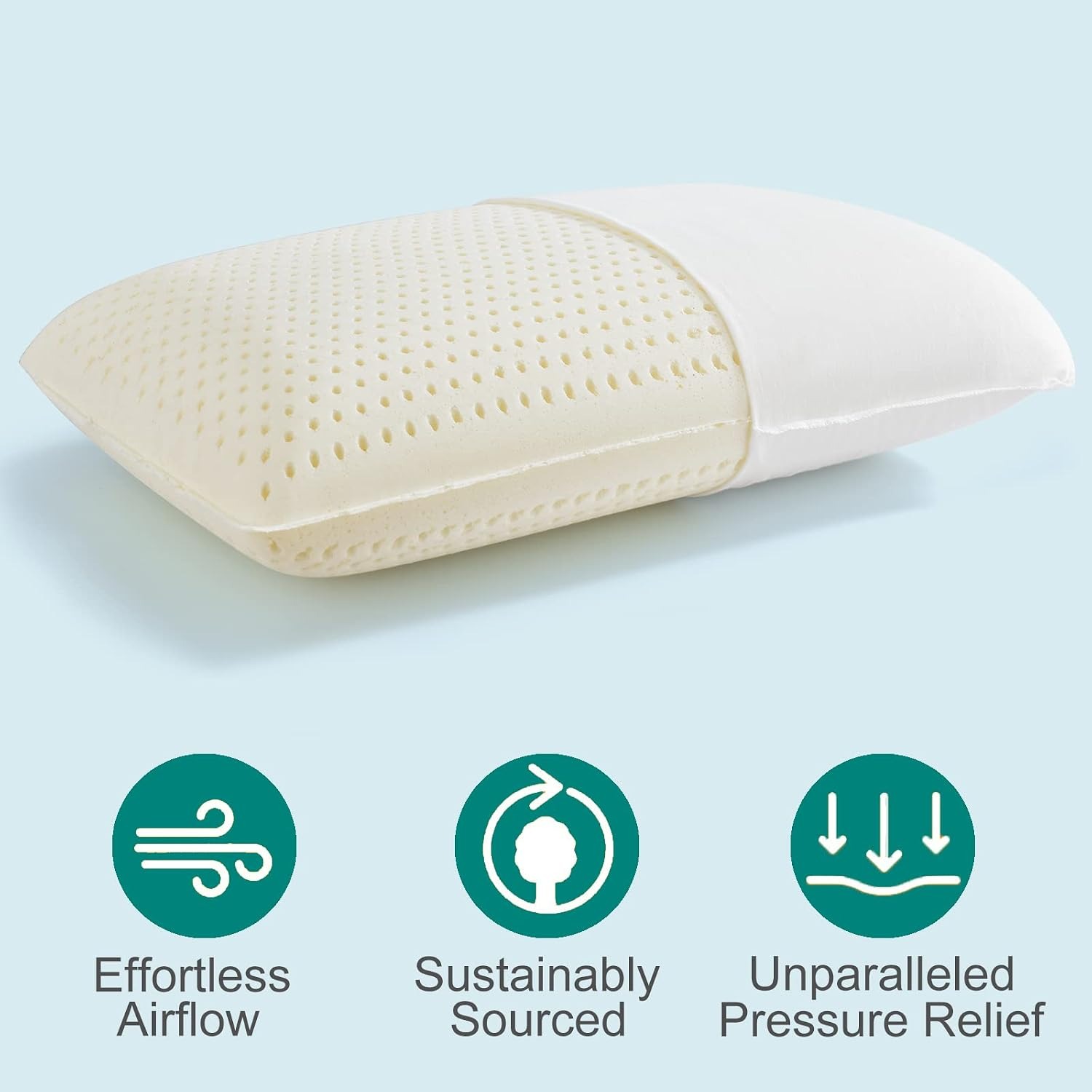
This core is also built with an open honeycomb micro-hole structure. Those holes run through the foam and give air somewhere to travel. Heat and moisture from your head have an escape route instead of being held in a solid block. That is the difference most hot sleepers notice first, and it is why people shopping for the best breathable pillow often end up on latex rather than dense foam.
Who this pillow suits
Firmness here is medium, which is deliberately the middle of the road. It is firmer than a soft polyester pillow and softer than a hard memory foam one. If you have tried both ends and found neither worked, medium is where most people land.
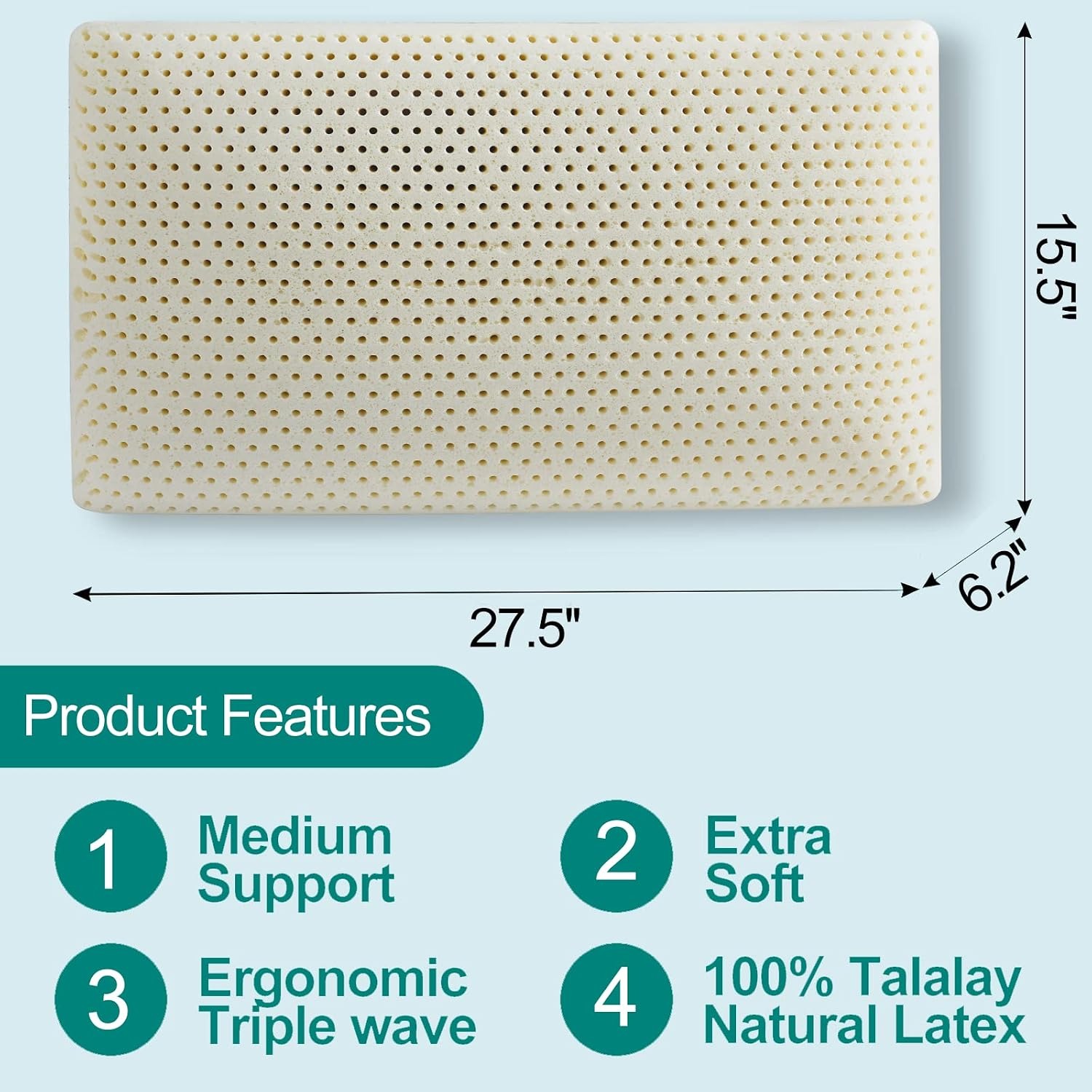
Side sleepers usually need the most height. When you lie on your side, your shoulder lifts your body off the mattress, and the pillow has to fill that gap under your ear. A thin pillow lets your head fall toward the mattress and puts a kink in your neck. At 6.2 inches thick, this one has enough loft for most side sleepers of average build. Very broad shoulders may want more.
Back sleepers have an easier time. You need less height because your head sits closer to the mattress already. A medium loft usually feels right, supporting the hollow of your neck without tilting your chin forward. If you snore, a slightly higher pillow can help keep the airway more open.
Stomach sleepers are the trickiest group. Lying face down already twists your neck sideways, and adding a thick pillow makes it worse. A low loft is generally better for that position. This pillow is listed as suitable for stomach sleepers, and plenty of people who switch between front and side get on with it, but a dedicated stomach sleeper who never rolls over may prefer something thinner.
Judging loft and firmness before you buy
There is a quick test you can do with your current setup. Lie on your side on your bed in your normal position and have someone look at you from behind. Your nose, chin and the middle of your chest should roughly line up, and the line of your neck should continue the line of your spine. If your head is sagging toward the mattress, you need more loft. If it is tilted up toward the ceiling, you need less.
Mattress firmness matters here too. A soft mattress lets your shoulder sink in, which closes the gap your pillow needs to fill, so you need a slightly lower pillow. A firm mattress holds your shoulder up and opens that gap, so you need a bit more height. People who swap from a soft bed to a firm one often blame the new mattress when the real culprit is a pillow that is now too flat.
One more thing. Give any new pillow at least a week. Your neck has adapted to whatever height you have been using, even if that height was wrong. The first few nights on a correctly sized pillow can feel odd before they feel better.
Size, weight and what arrives
This is a Queen, listed at 27.5 by 15.7 inches with a thickness of 6.2 inches. That is longer than a standard pillow, which matters if you move around at night or like to tuck an arm underneath. Standard Queen pillowcases fit it.
It weighs about 1.22 kg. That is heavy compared with a bag of polyester, and the weight is a feature rather than a flaw. Heavy pillows stay where you put them. They do not slide off the bed or bunch up against the headboard.
Fresh out of the packaging, expect a faint rubbery scent. Natural latex does that. Leave the pillow in a ventilated room away from direct sun and it fades within a few days. The cotton cover helps too, and washing it before first use clears away any packaging smell on the fabric.
Keeping it in good shape
The care routine is simple, and the single most important rule is that the latex core never goes in the washing machine. Water and agitation damage the foam. If the core needs cleaning, wipe it with a damp cloth and let it air dry completely in the shade before putting the cover back on.
The cotton cover is the washable part. Unzip it, wash cold, then tumble dry low or line dry out of the sun. Doing this every few weeks is enough for most households. If you add a regular pillowcase on top, which is worth doing, you can wash that weekly and the cover less often.
Keep the pillow out of direct sunlight. UV breaks down natural latex and can leave the surface chalky and crumbly over time. Drying it on a sunny washing line seems sensible but will shorten its life.
Expect the latex to yellow slowly. Oxygen reacts with natural latex and the color deepens over months and years. It looks a bit alarming the first time you unzip the cover, but it says nothing about how the pillow performs.
A note on allergies
Latex is naturally inhospitable to dust mites and resists mold, which is why hypoallergenic appears in the material features for this product. For the average allergy sufferer, that is good news.
The exception is people with a latex or natural rubber protein allergy. If that is you, this pillow is not suitable, and no amount of covering changes that. Choose a different fill.
The short version
If your current pillow has gone flat, if you keep folding it in half, or if you wake with a stiff neck on the same side every morning, the pillow is worth looking at before anything else in the bedroom.
This one gives you a 100% natural Talalay latex core with a honeycomb structure for airflow, a medium firmness that suits most sleeping positions, and a zippered cotton cover you can wash without any fuss. The Queen size at 6.2 inches thick fits the majority of side and back sleepers.
Wash the cover, never the core. Keep it out of the sun. Give yourself a week to adjust. That is really all there is to it.