
The complete guide
How to Choose a Latex Mattress Topper (Soft, 3 Inch, Queen)
The problem this solves
There is a particular kind of bad night that has nothing to do with noise or stress. You lie down, and within twenty minutes your shoulder aches. You roll over, and now it is the hip. You end up changing position every hour, half awake each time, and in the morning your lower back is stiff for the first ten minutes you are on your feet.
Nine times out of ten, that is a mattress that is firmer than your body wants. It happens with new mattresses bought on a showroom guess, with hotel style firm models, and with older beds where the comfort layers have packed down and left you lying closer to the support core.
Buying a whole new mattress is an expensive way to test a theory. A latex mattress topper is a much smaller commitment that changes the one thing actually causing the problem, which is the surface your body touches.
How a latex topper works
Firmness problems are really pressure problems. When you lie on your side, your shoulder and hip stick out further than the rest of you. On a hard surface, those two points carry most of your weight across a small area. Blood flow gets restricted, nerves complain, and your body tells you to move.
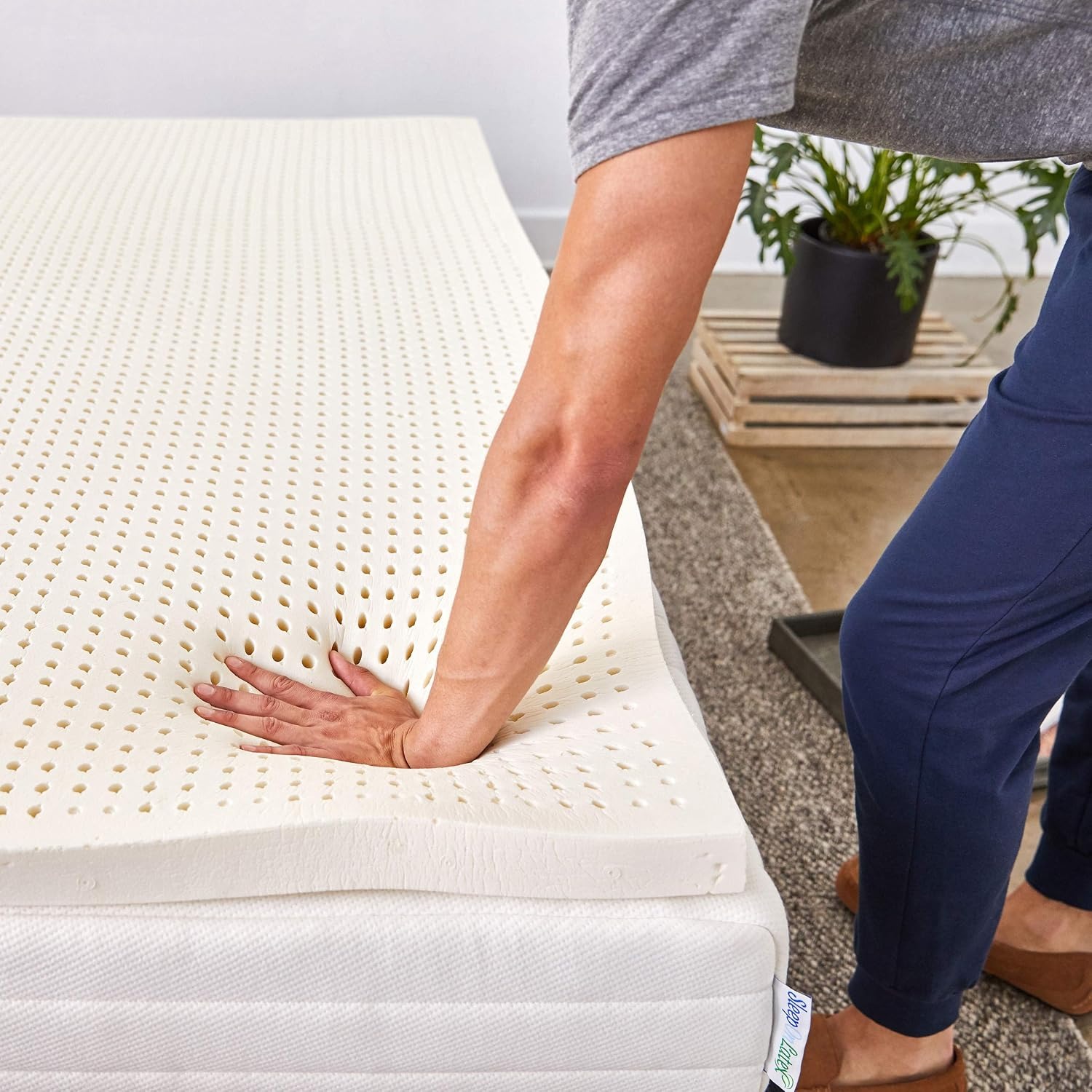
A soft topper lets those points settle in rather than being pushed back against. Your weight spreads over more contact area, so no single spot has to take it all.
What makes latex different from the foam toppers you see everywhere is the way it reacts. Latex responds the instant you put weight on it and holds that response. Memory foam does the opposite. It softens as your body heat builds and keeps giving way through the night, which is where the trapped, hard to roll over feeling comes from.
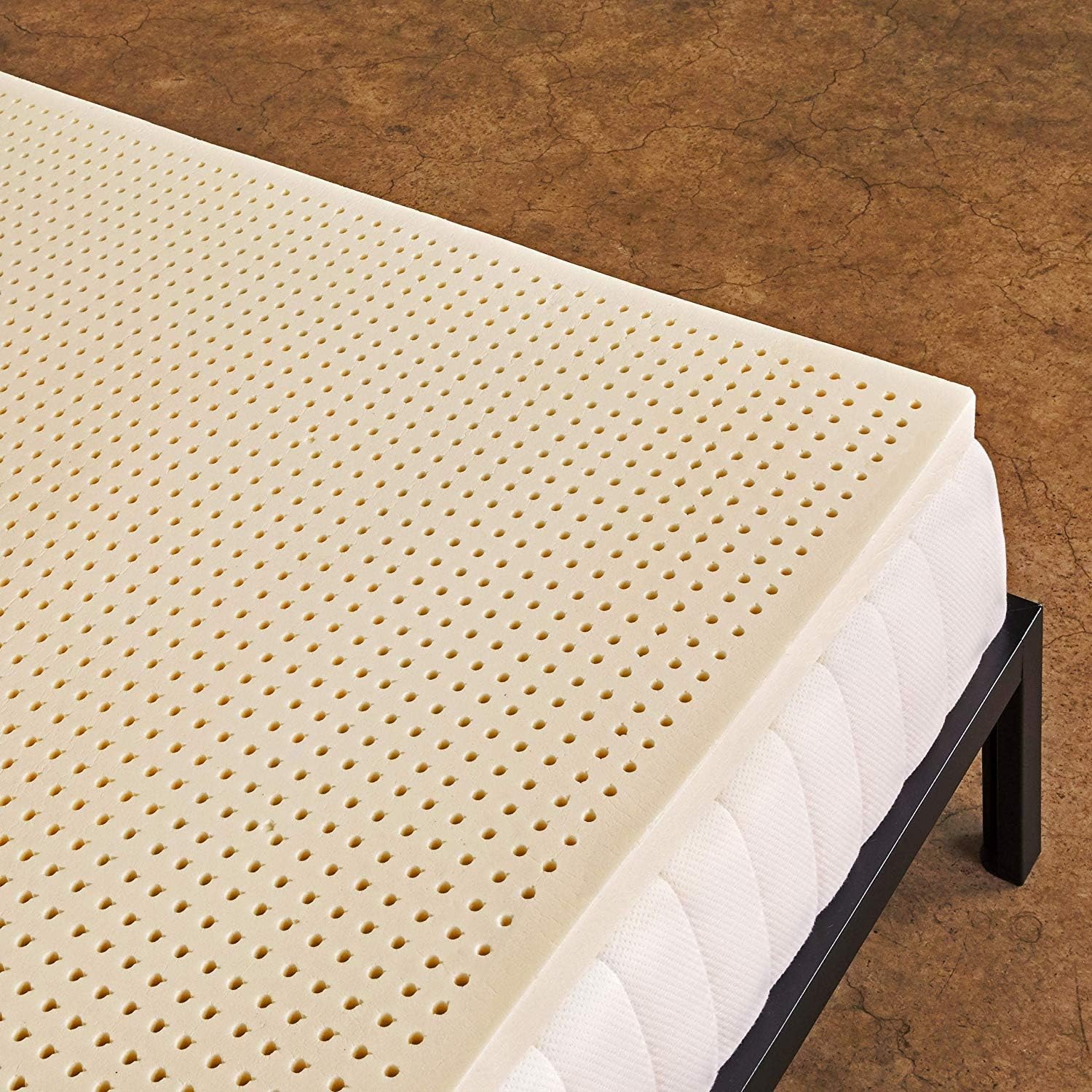
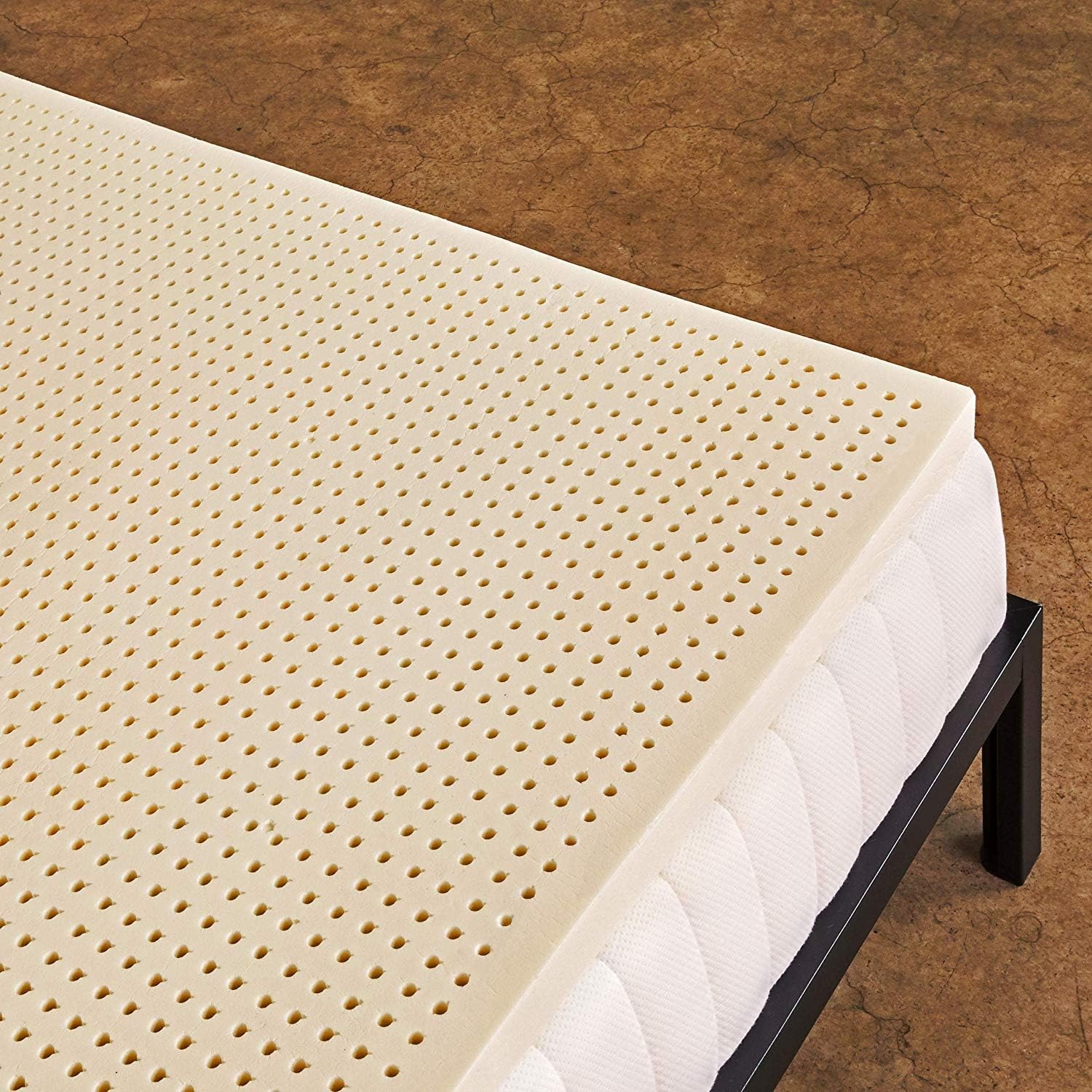
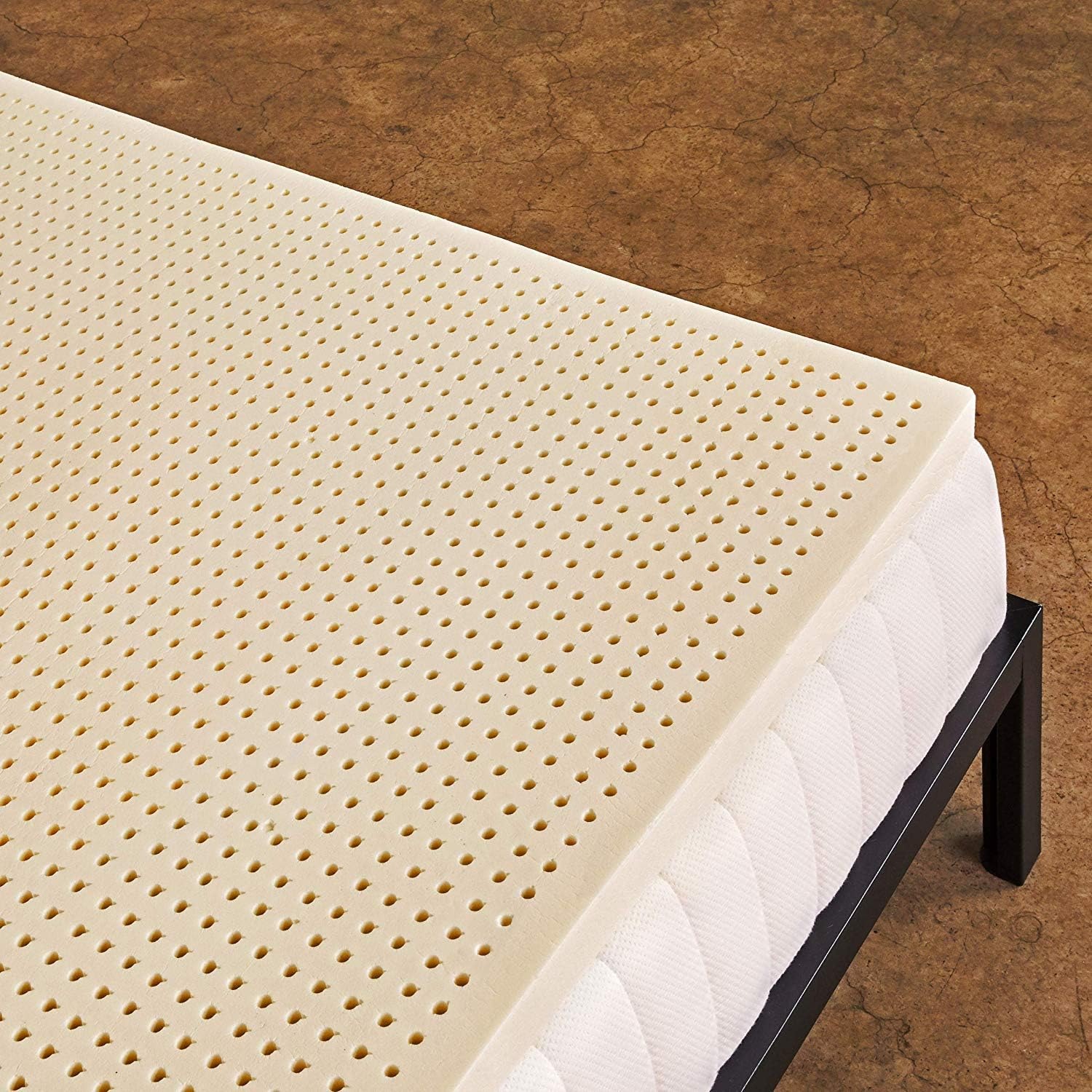
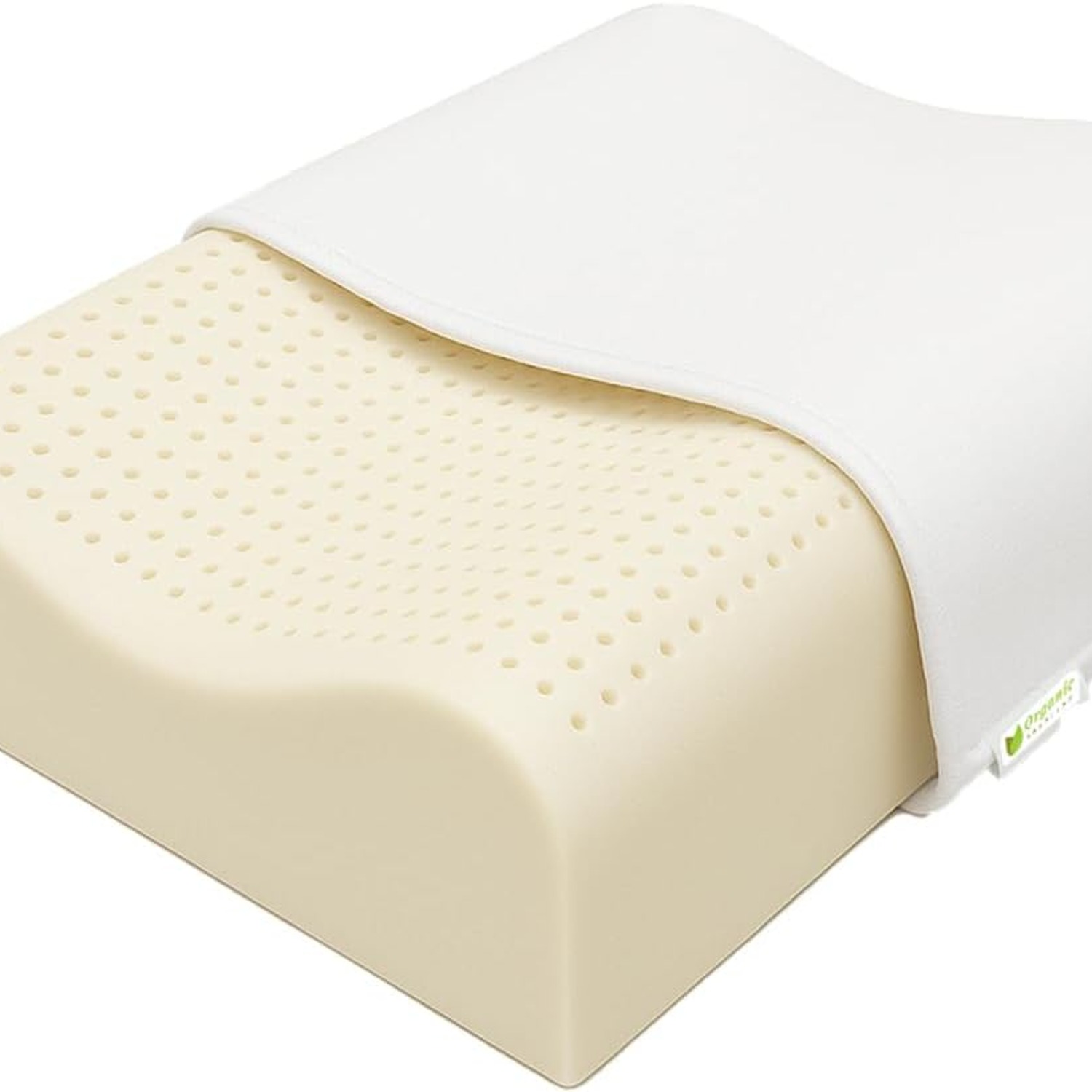
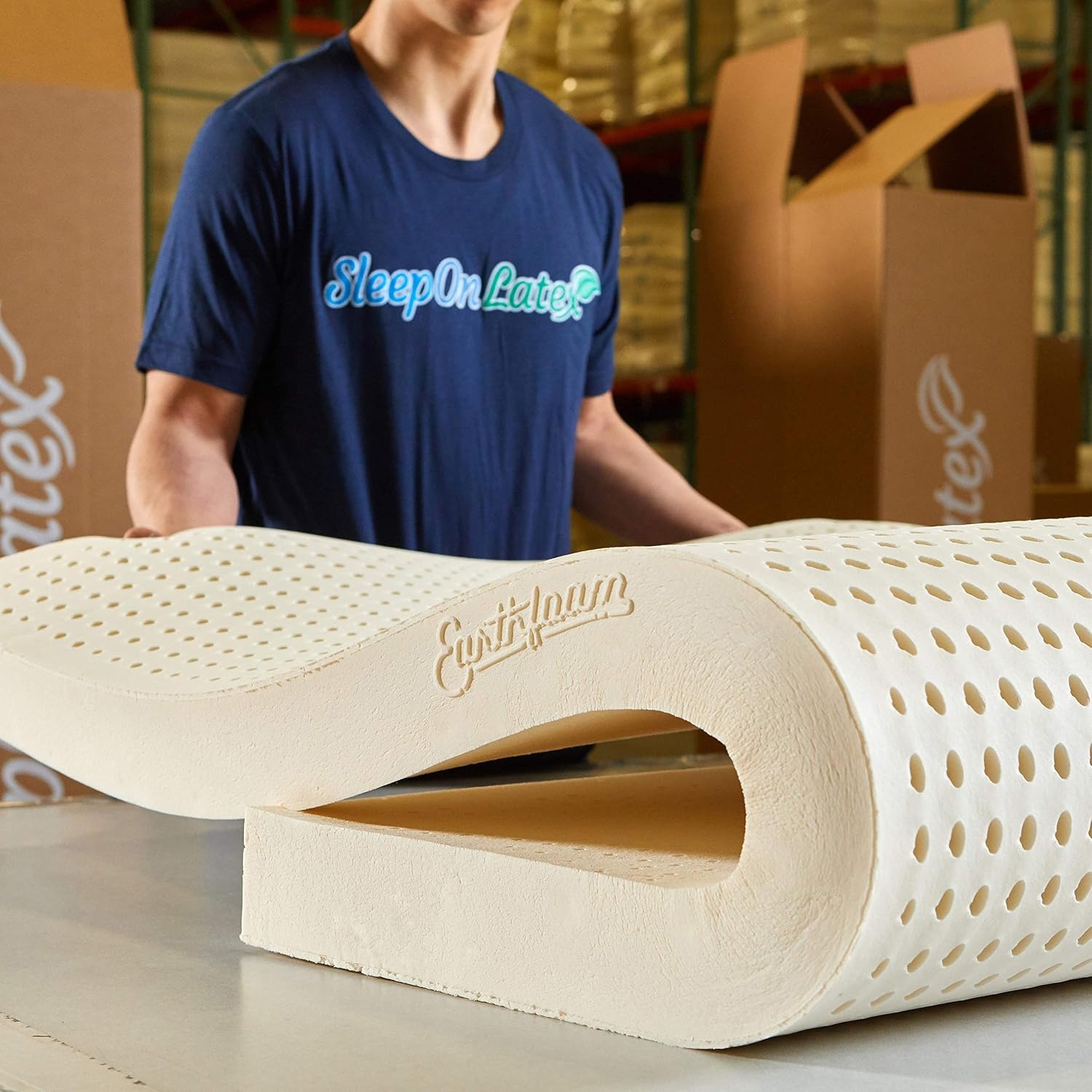
This topper is made by a molded Dunlop process using natural latex harvested from organically grown rubber trees, with no synthetic latex in the formulation. Dunlop foam has a springy, settled character rather than an airy bounce. Latex is also open cell, meaning there are tiny air channels running through the slab, so air can travel rather than sitting trapped between you and the mattress. That is a large part of why people looking for the best breathable mattress topper tend to land on latex.
Who this one suits
This is the soft firmness in 3 inch thickness, Queen size.
Soft is the right pick when the complaint is hardness. Side sleepers make up the biggest group here, because side sleeping is the position that punishes a firm surface most. If you have been waking with shoulder soreness or hip pain on a mattress you otherwise like, this is the category of product that usually helps.
Back sleepers can benefit too, especially on a genuinely hard mattress, though they often want slightly less give so the lower back stays closer to level. Stomach sleepers are the group most likely to find soft is too much, since that position needs the hips held up rather than let down.
It is also worth being honest about what a topper cannot do. If your mattress has a visible dip or a broken spring, the topper will follow that shape. Toppers fix surface feel. They do not fix structural failure.
Picking a thickness
Thickness decides how much of the bed's character you are changing.
A 1 inch topper is a small adjustment. It takes a slight edge off and adds a little cushioning, without much change to height.
A 2 inch latex topper is the popular middle ground. You feel a real difference, but the mattress underneath still sets the overall support. If your bed is close to right and just a touch firm, this is usually the sensible choice.
Three inches, which is what this one is, is the full reset. At this depth the topper dominates the surface feel. It is the right call for a mattress that is clearly wrong for you, or an older bed that has gone hard and needs new life on top. It is a bigger change, and bigger changes are best when you are confident about the direction.
Do check your sheets. Adding three inches to a Queen bed means you may need deeper pocket fitted sheets, and that is an easy thing to forget until the first night.
The certification side
Latex is one of the few bedding materials where certification claims are common and reasonably easy to check. This product is listed as GOLS certified organic, which is the Global Organic Latex Standard, and Fair For Life Fair Trade certified. Those two are what appear in the product data for this item.
GOLS relates to the organic status of the latex. Fair For Life covers how the people in the supply chain are treated. If those things matter to you, they are worth knowing about, and they are part of why shoppers hunting for the best organic latex mattress topper narrow the field quickly.
What is not in this record is the country of origin or the cover material, for the simple reason that there is no cover supplied with this topper.
No cover, and what to do about it
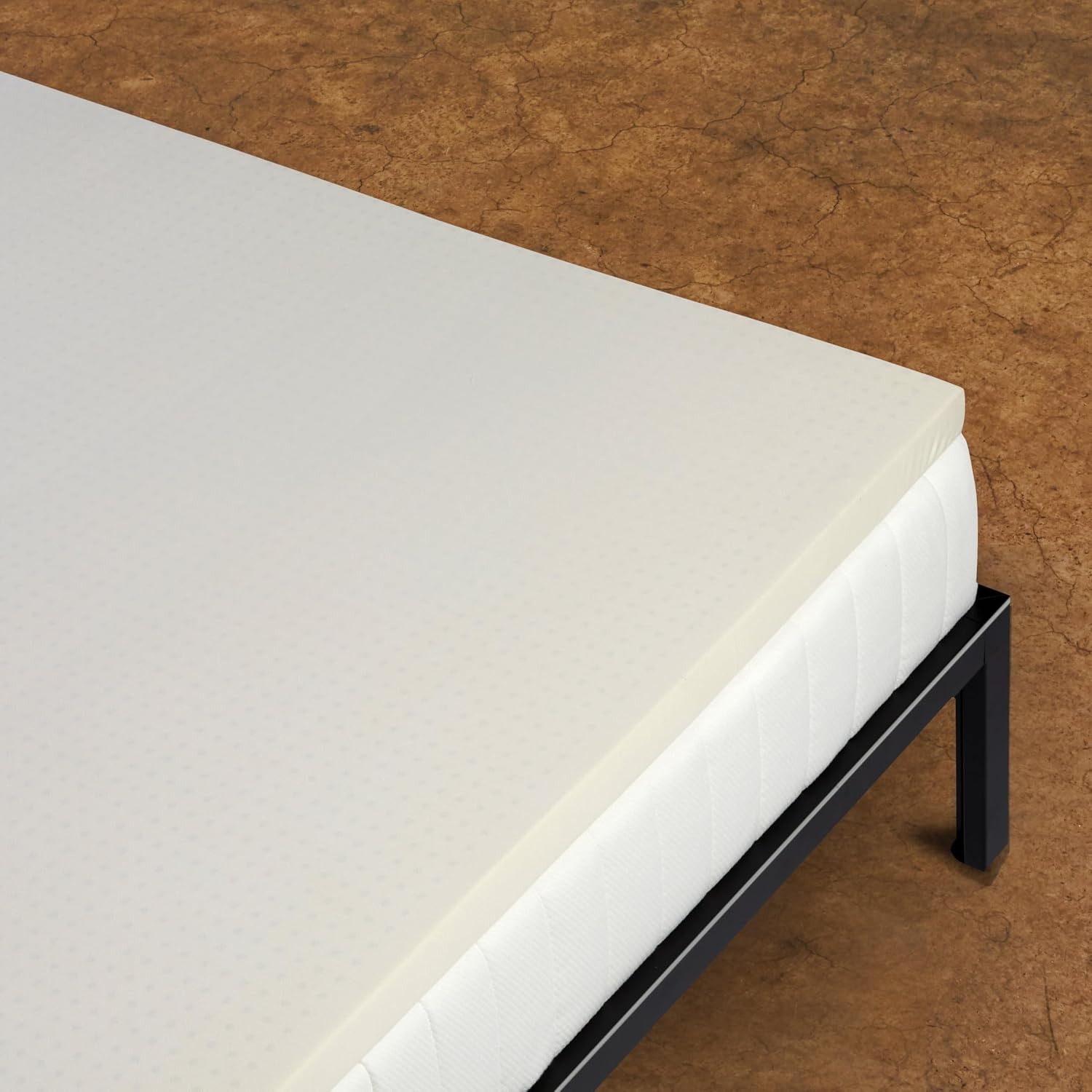
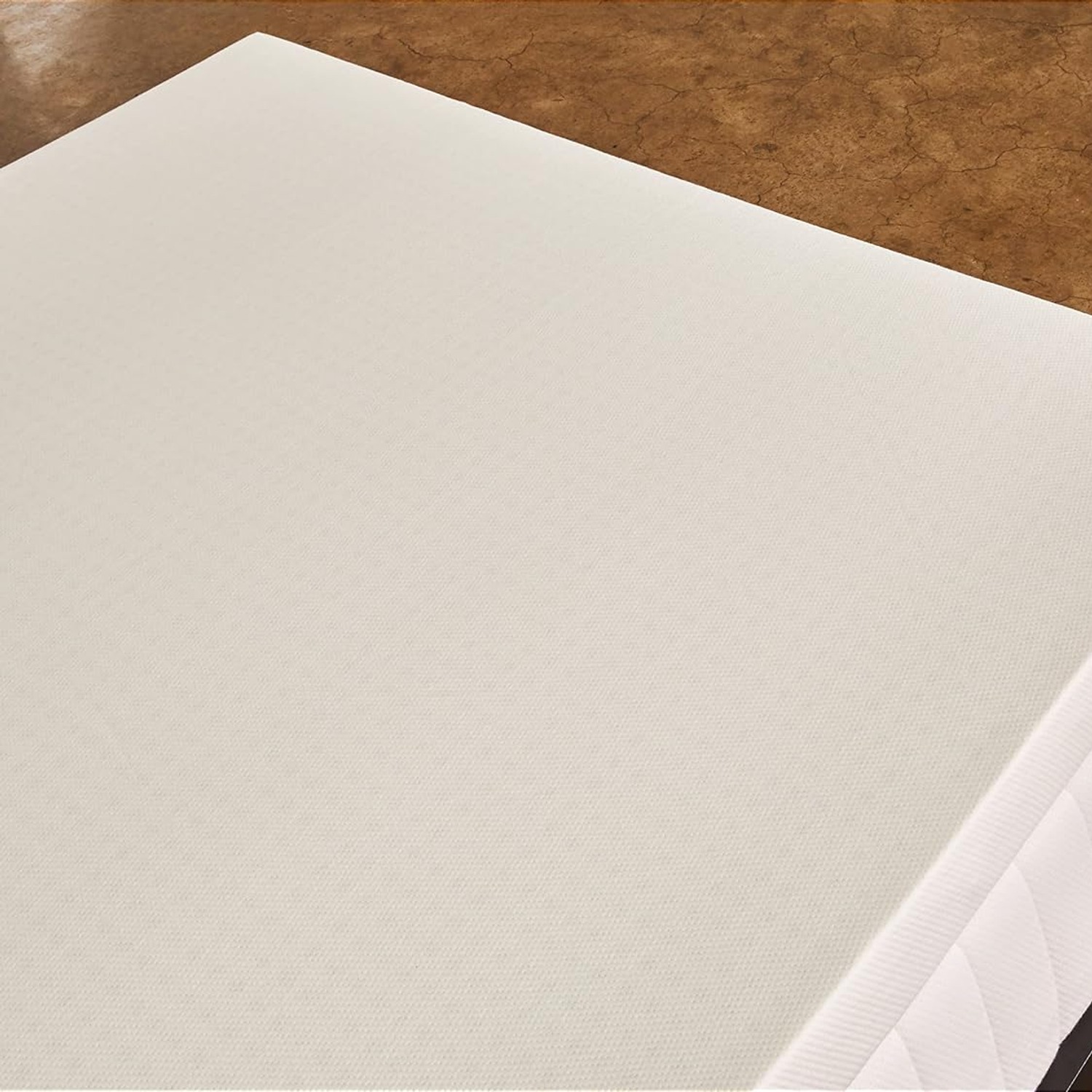
This topper ships as a bare latex core. The fabric type is listed as no cover.
That is a deliberate choice rather than an omission. It means you pick your own fabric, which matters if you have strong feelings about cotton versus bamboo, or if you want something you can throw in the wash. It also keeps the product simple.
The practical upshot is that you need to add something yourself. A fitted topper cover is the tidiest answer, since it also stops the topper shifting. A deep fitted sheet pulled over both the topper and mattress works too. Either way, do not sleep directly on bare latex. Keep it covered and keep it out of the light.
Care, in plain terms
Care instructions here are hand wash only, and the topper is listed as not water resistant.
In practice that means spot cleaning. Use a cloth, a little mild soap and cool water on any mark, then let it air dry completely before the bedding goes back on. No washing machine, no dryer.
Keep it out of direct sunlight. Sustained UV exposure is hard on latex over time, so if you are airing it out, pick a shaded, well ventilated spot rather than the back garden on a bright day.
When moving or storing it, carry it flat or in a loose roll. Sharp creases and long periods of heavy compression are the two things latex does not forgive.
One more thing on unboxing. The packed carton measures 13 x 13 x 32 inches, so the foam arrives compressed. Give it room and time to expand, and expect a faint rubbery scent for the first day or two. Airing it out sorts that.
A note on weight
At 33.9 pounds, roughly 15.38 kg, this is a heavy topper. That is normal for solid natural latex, and it is part of why it stays put once it is on the bed. It is also why you want a second pair of hands when you first put it on, and why you should check that whatever surface it is going on can handle the extra load comfortably.
The short version
If your mattress is too firm and your shoulder or hip is paying for it, a soft latex topper is the targeted fix. Three inches makes the biggest change, so choose it when you are sure the surface is wrong rather than nearly right. Latex gives you contour without the slow sink of memory foam, and its open cell structure means it does not trap heat the way denser foams can.
This one is Queen, soft, 3 inch, GOLS certified organic and Fair For Life Fair Trade certified, with no cover included. Add a cover, check your sheet depth, keep it dry and out of the sun, and it should go on doing its job for a long time.