
The complete guide
How to Choose a Travel-Size Latex Pillow That Actually Supports Your Neck
The problem with travel pillows
Most travel pillows are not really pillows. They are shaped cushions filled with cheap foam beads or polyester, designed to look supportive in a product photo. You use one on a flight, your head slips off it an hour in, and you arrive with a stiff neck anyway. Then you get to the hotel and find a pillow that is either flat as an envelope or stuffed hard enough to tilt your chin at the ceiling.
The frustrating part is that you already know what works. At home you have found a pillow height and feel that lets you drop off in five minutes. The moment you leave the house, all of that goes out the window.
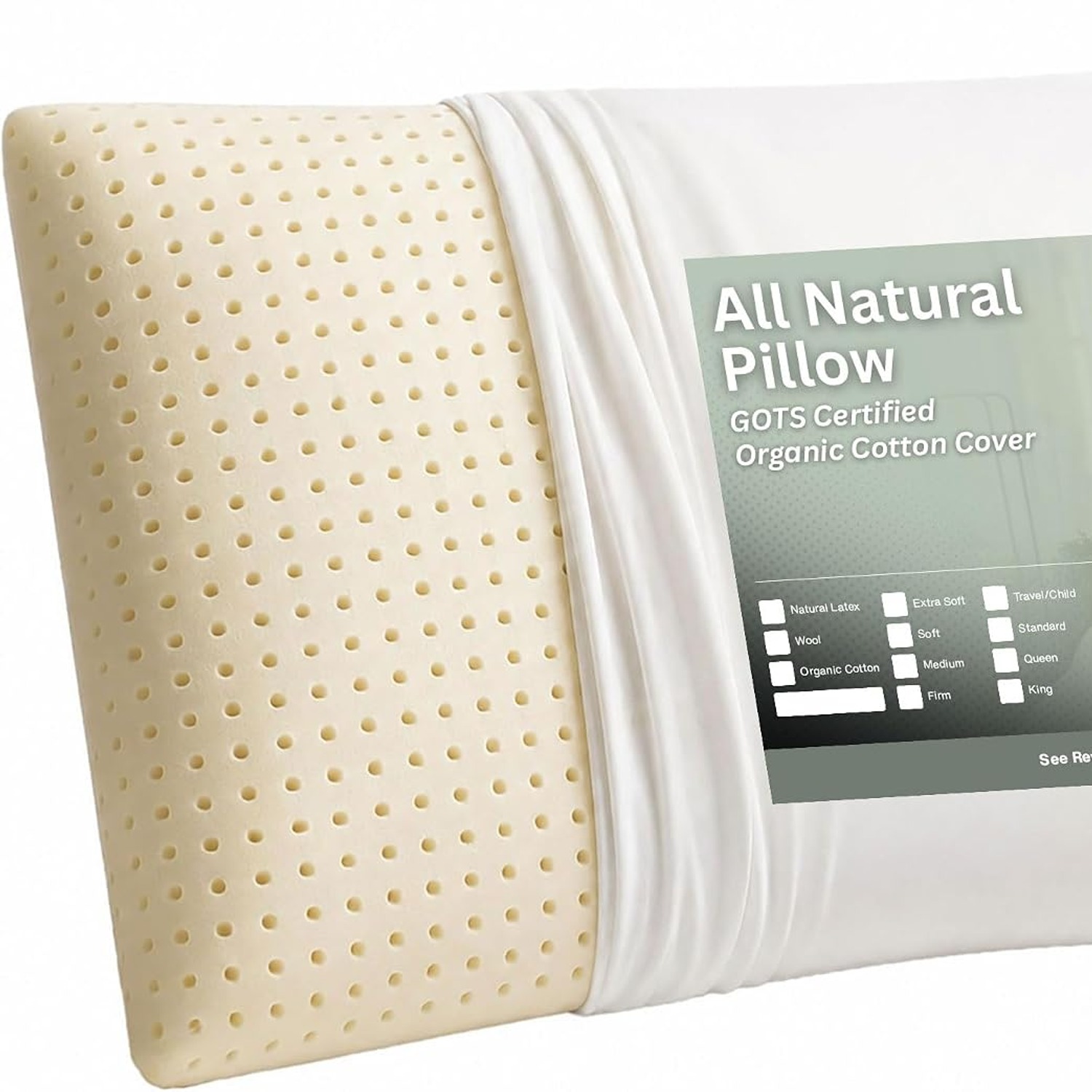
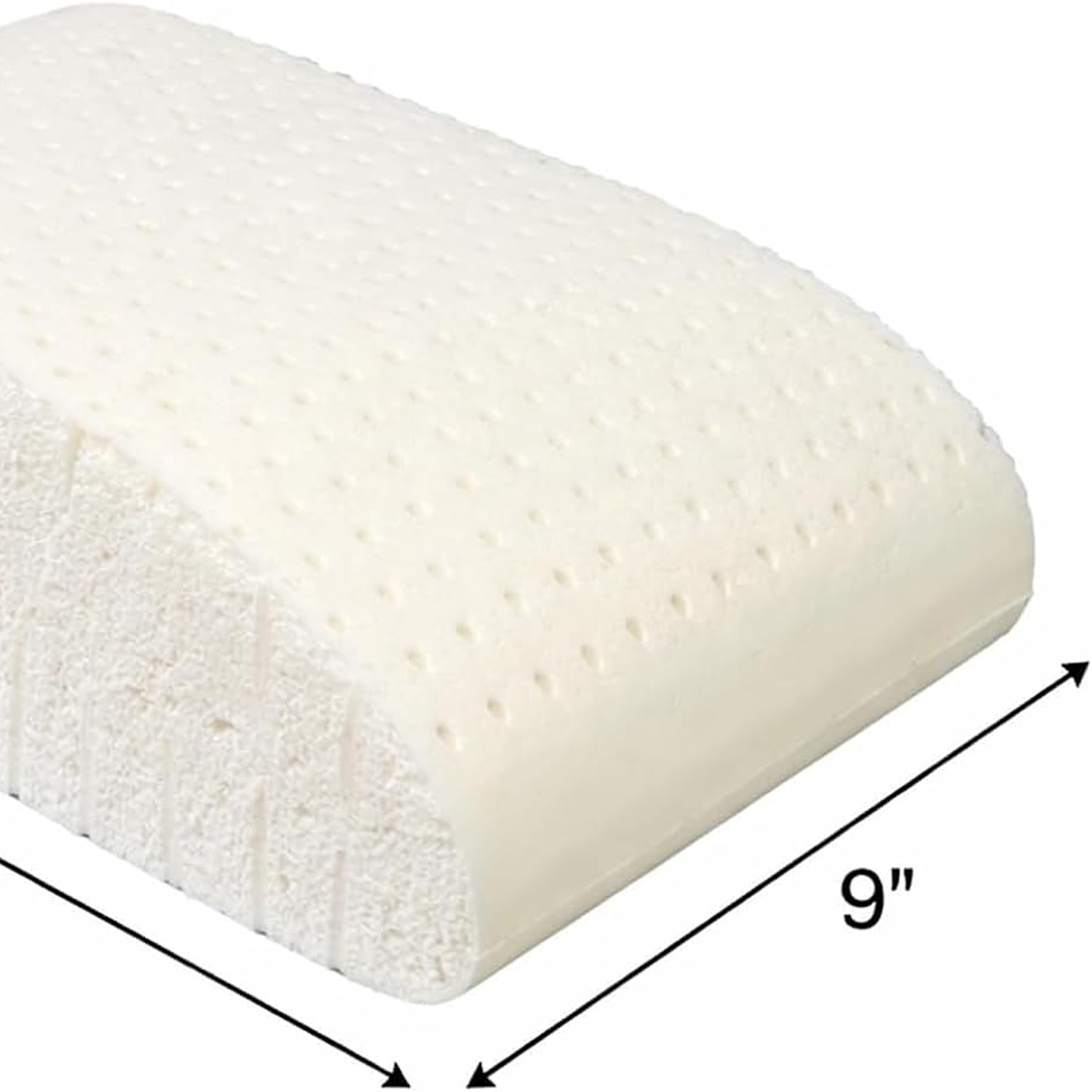
A travel-size latex pillow is a simple fix for that. Instead of inventing a new shape for travel, it takes the thing that works in your bedroom and makes it small enough to carry. This one is a rectangle, 16 inches long by 9 inches wide and 6 inches thick, with a Talalay latex core and a zip-off organic cotton cover. It behaves like a pillow, because it is one.
How latex works under your head
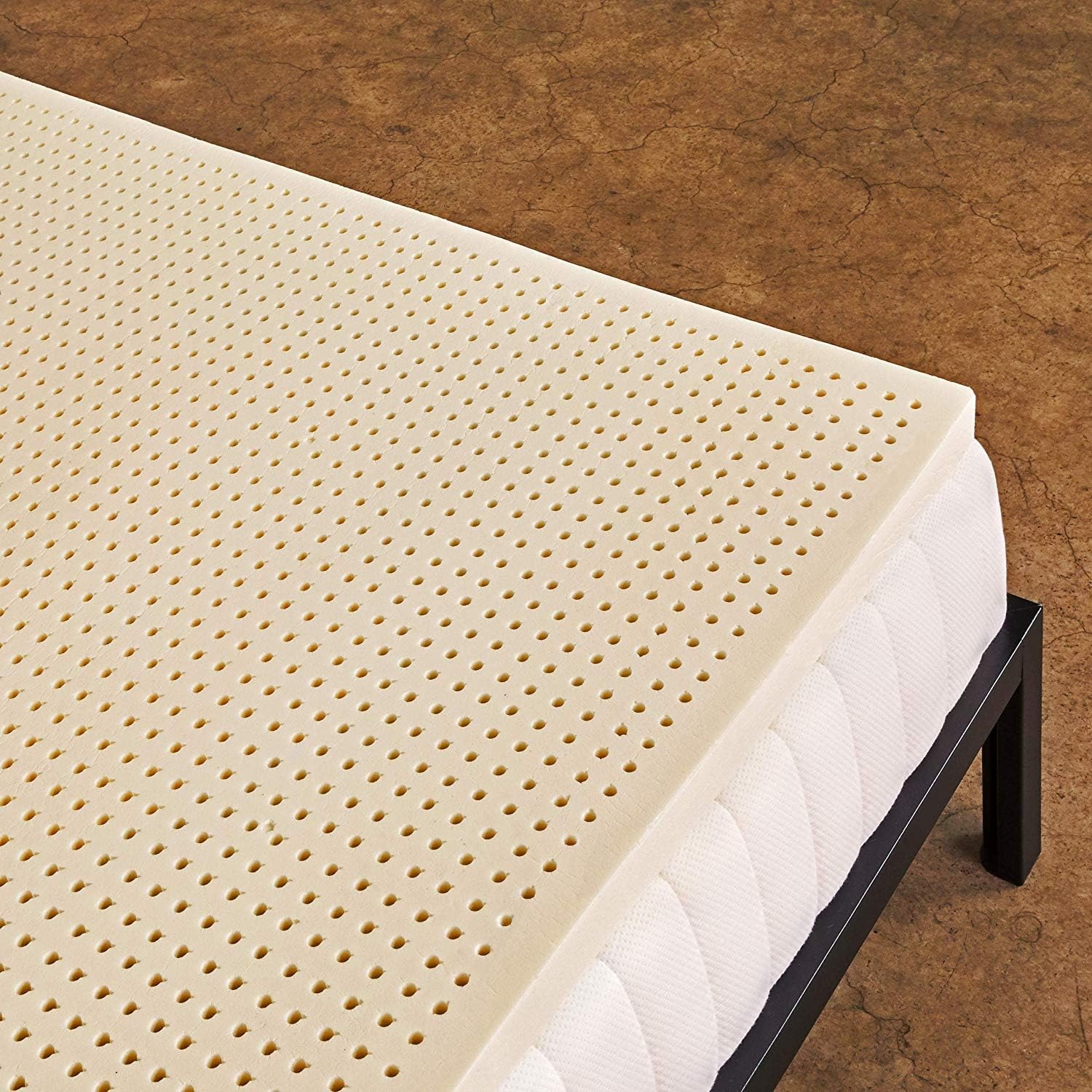
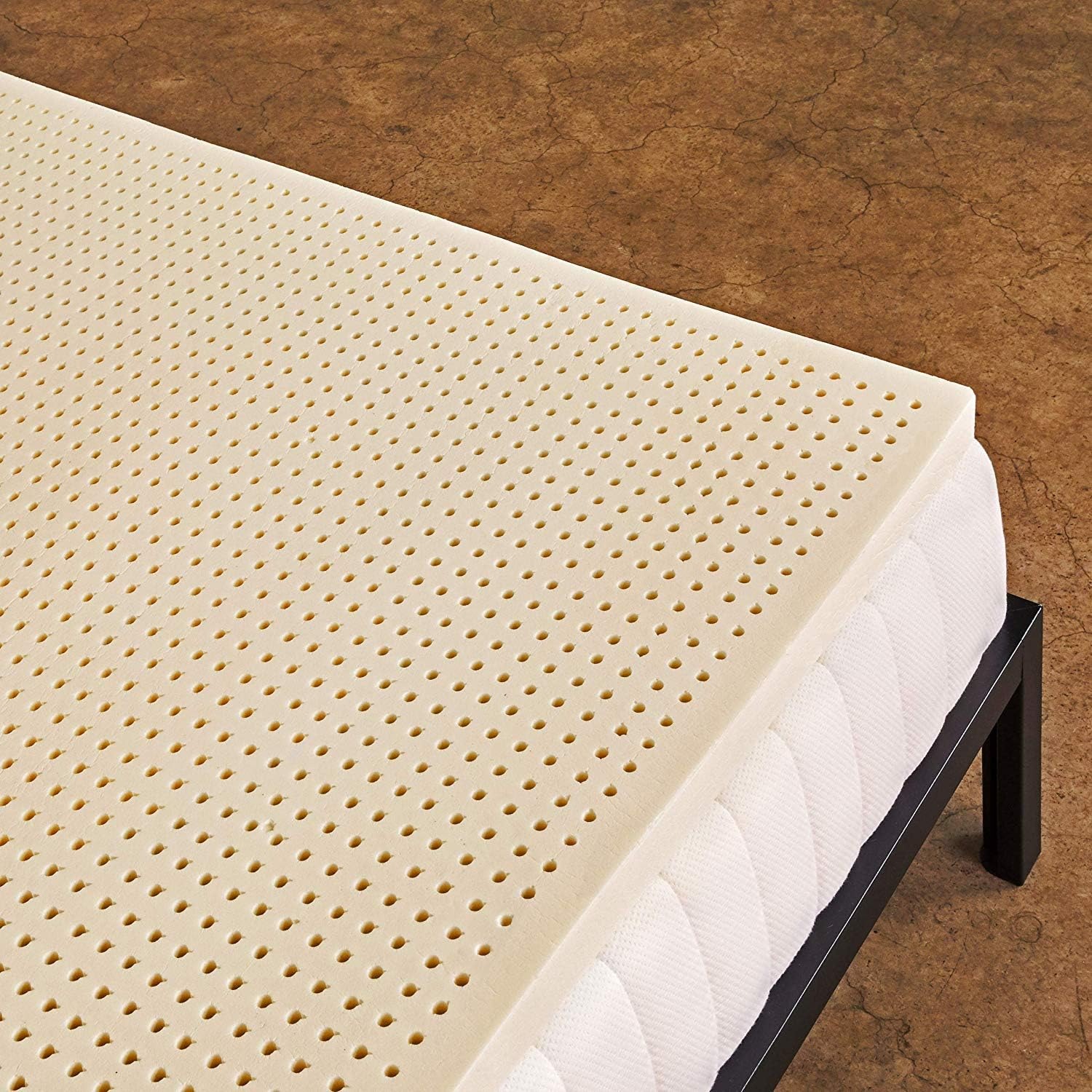
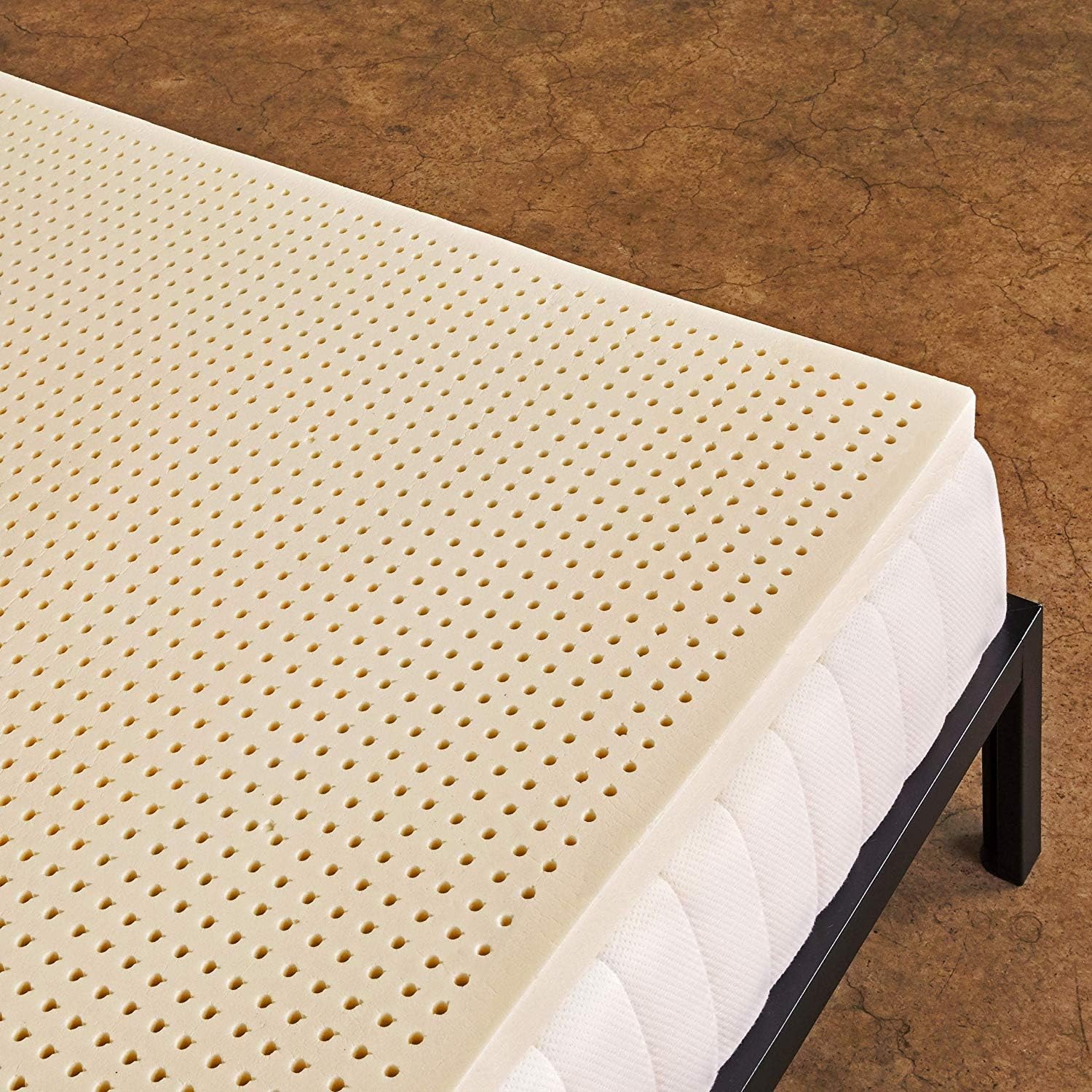
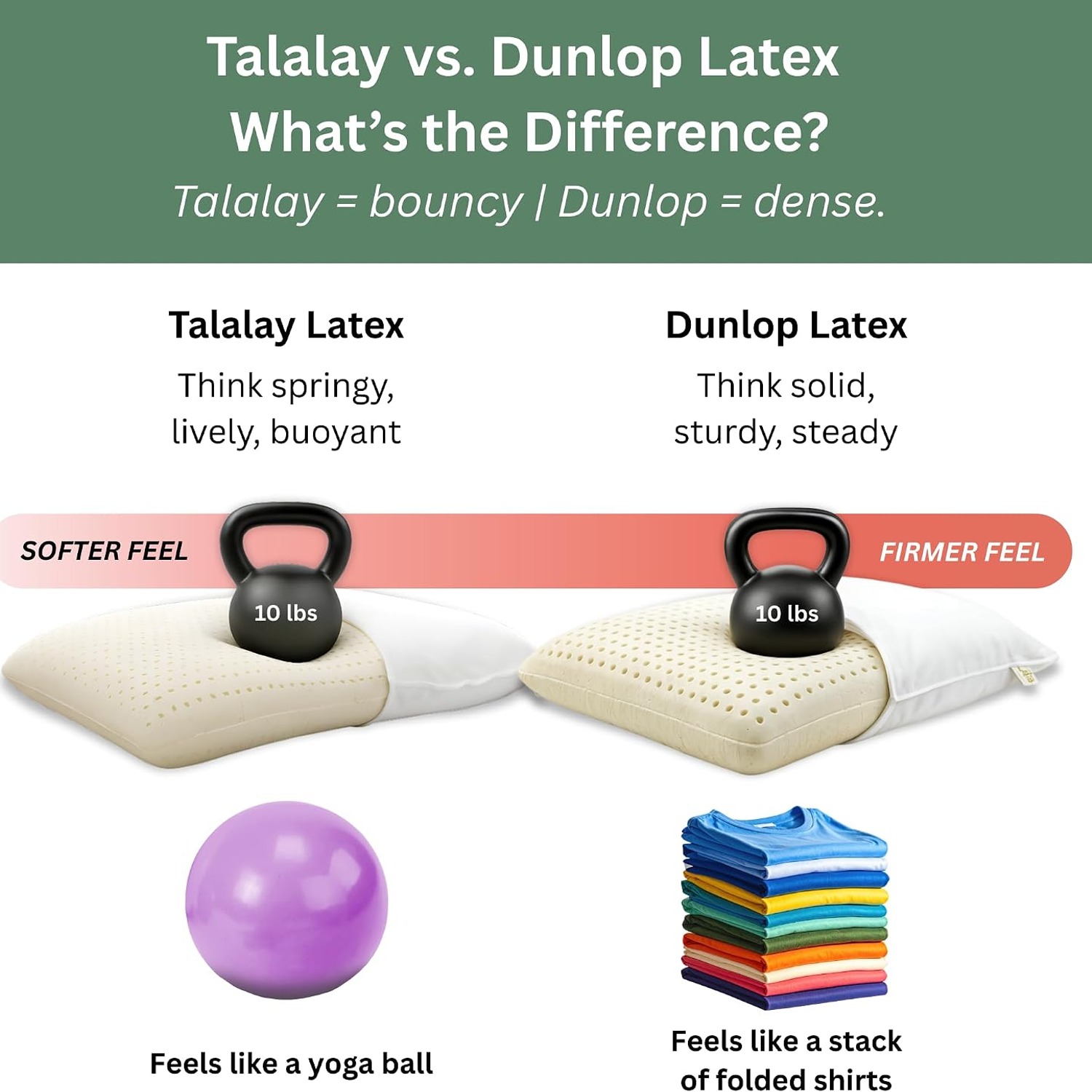
Latex foam is made from the sap of the rubber tree, whipped and set into an open, springy structure. The Talalay method in particular produces a lighter, more open foam than denser methods. The practical result is a cushioned feel with a bit of bounce.
That bounce matters more than people expect. Memory foam reacts to body heat and slowly sinks, so your head gradually drops into a hollow and the foam closes in around it. Latex pushes back the whole time. Your head finds a level and stays there, and when you roll over, the pillow follows you within a second instead of leaving a crater.
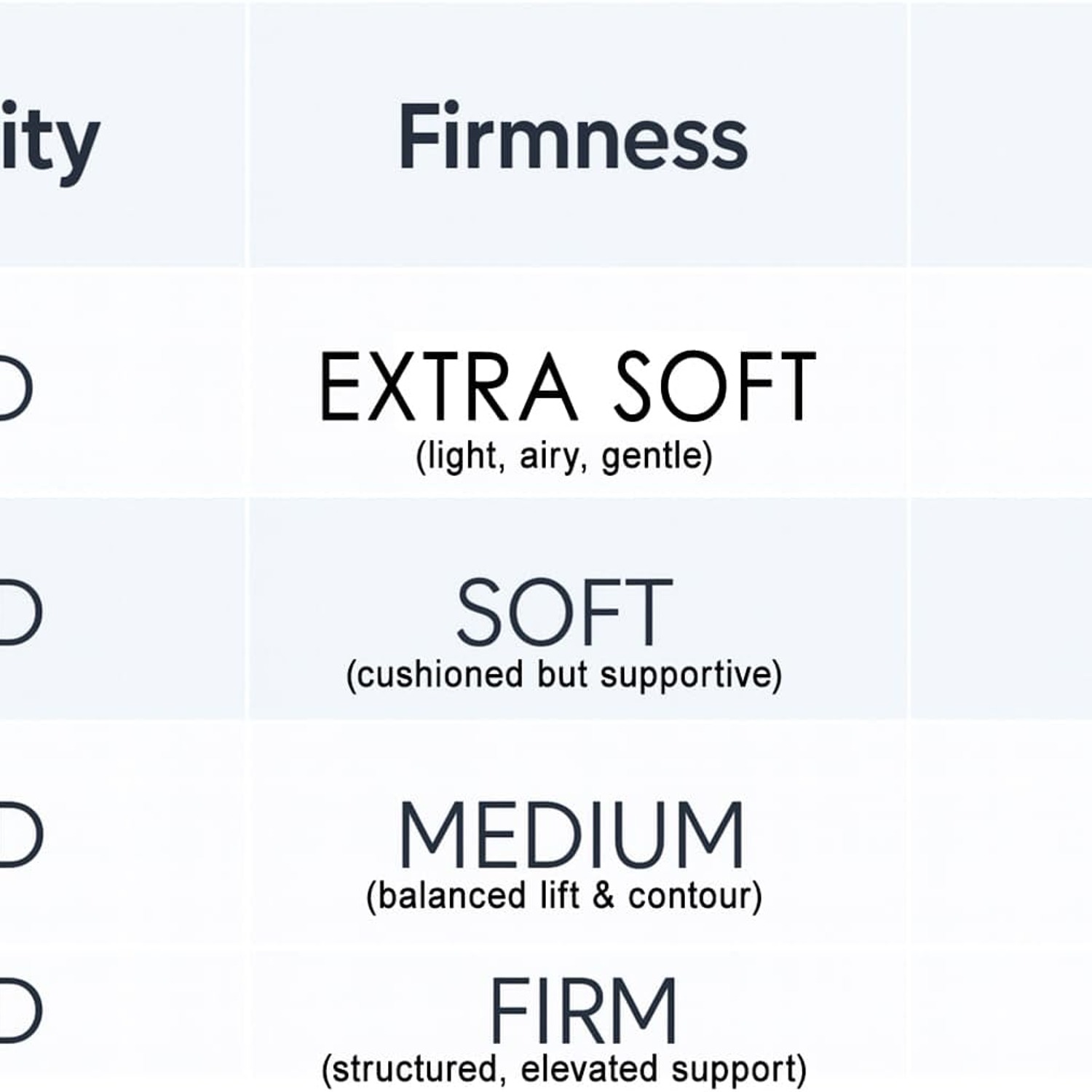
This core is rated soft, so it is not a firm block. You press in, you feel the material give, and you feel it hold. For a small pillow that is about right, because a travel pillow usually ends up compressed against a seat back, a window or a thin mattress, and a very firm core in that situation feels like a plank.
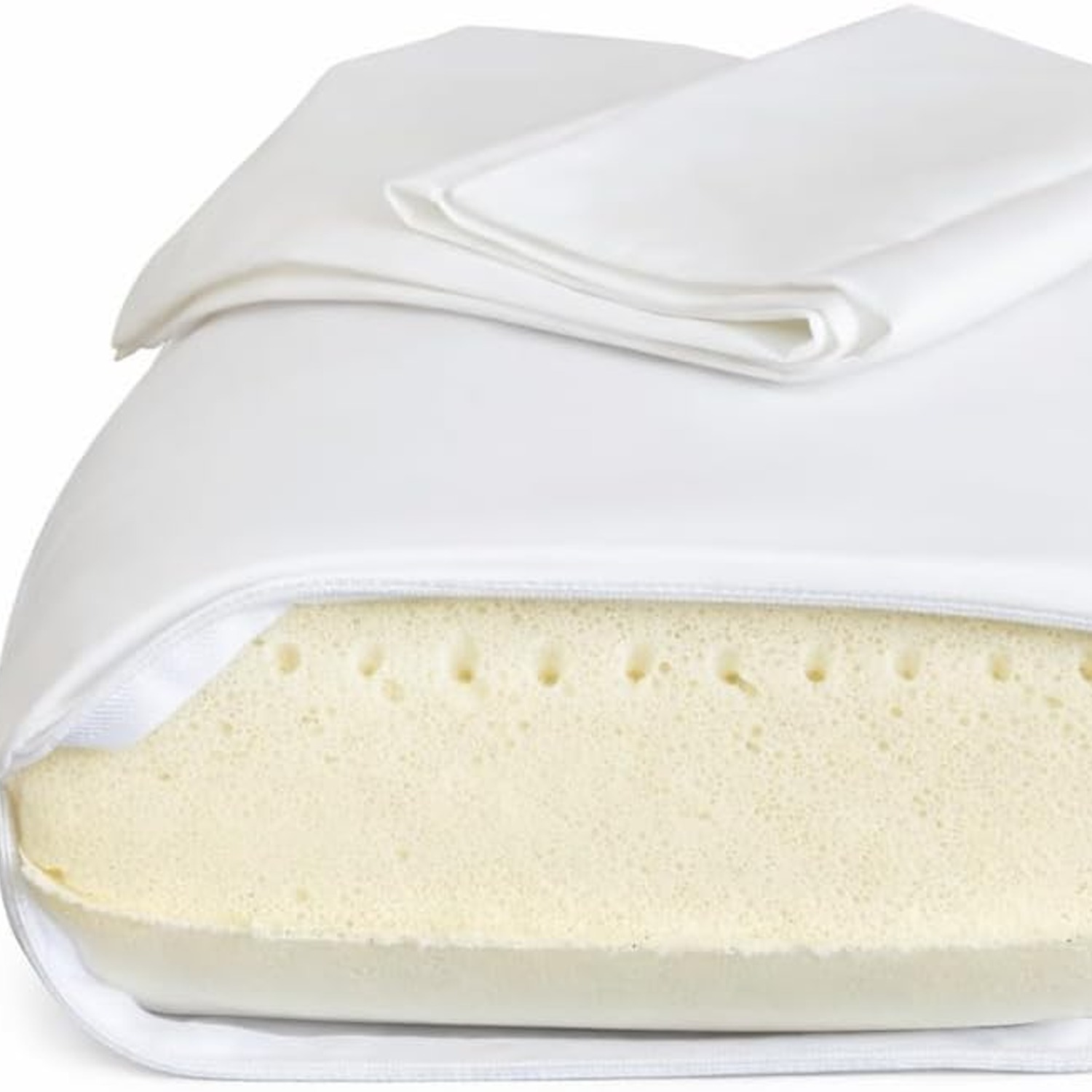
Running through the latex are ventilation pin-holes. They are small open channels that let warm, moist air escape out of the body of the pillow. On a long flight, where the cabin is dry but the space is tight and your head is pressed against a surface for hours, that movement of air is the difference between a pillow that stays pleasant and one that gets clammy. The holes also soften the feel slightly, which helps the latex cradle rather than resist.
The cover, and why it earns its keep
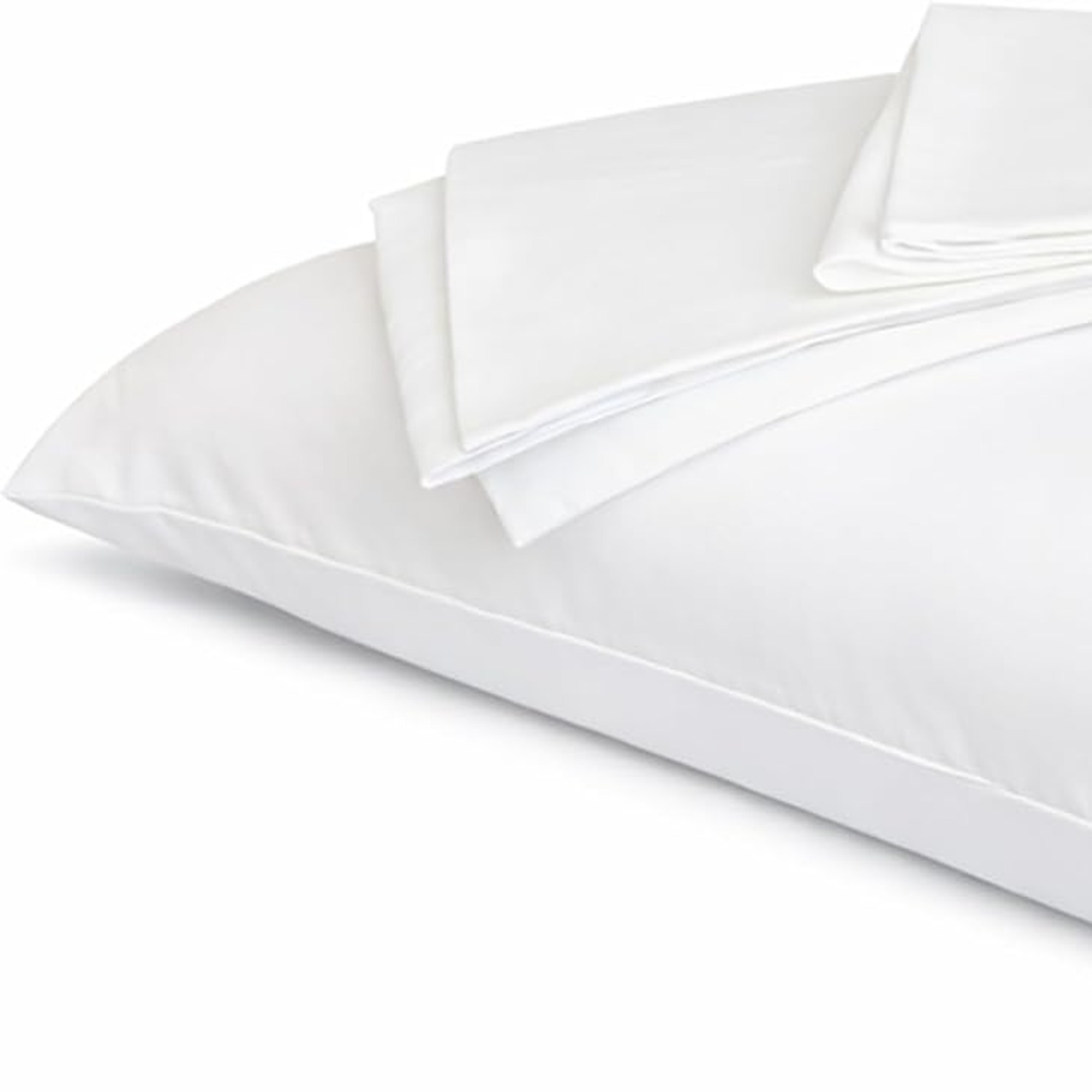
The cover is 100% organic cotton at a 350 thread count, certified to the GOTS standard. GOTS checks both the fiber and the processing, so it is more than a label on a hang tag. If you have been searching for the best organic cotton pillow cover, that certification is the thing to look for.
At 350 threads the cotton feels smooth without being slippery or stiff. More importantly, it unzips. A travel pillow goes places a bedroom pillow never does, like train seats, camp mats, the back of a car and a friend's spare room floor. Being able to strip the cover, run it through the machine and put it back on is what keeps the pillow usable over years rather than months.
The one rule is that the latex core stays out of the machine. Water and mechanical agitation break latex down, and a tumble dryer will cook it. Spot clean the core with a damp cloth and mild soap, squeeze the moisture out with a towel and let it air dry fully in a shaded, airy spot.
Who this suits
The listing covers back, side, stomach and multi-position sleepers, and the soft firmness is a big part of why it stretches across all four.
Side sleepers need the most loft, because there is a gap between the shoulder and the ear to fill. Six inches of soft latex does a decent job of that for a pillow this size, though if you have broad shoulders you may want to fold a jumper under it on a flat mattress. Anyone chasing the best latex pillow for side sleepers at home will likely want a bigger, firmer model for the bedroom and keep this one for the road.
Back sleepers tend to find small latex pillows comfortable straight away, since the loft needed is lower and the soft core compresses to meet the back of the head.
Stomach sleepers are the hardest group to please, because they generally want almost nothing under the head. The soft rating helps, and plenty of stomach sleepers use a pillow like this under an arm or the chest rather than the head. If you are hunting the best soft pillow for stomach sleepers, soft latex at least gives you something you can squash.
There is also a group who buy this without traveling much. A small supportive pillow is handy for a spare room, a sofa bed, a reading chair or a child's bed. It stores in a cupboard without taking over a shelf.
Choosing between travel pillows
A few questions sort out the field quickly.
First, what shape do you need? If you nap sitting upright with no headrest, a U-shape genuinely helps. If you nap against a window, lie across the back seat, or mostly want a decent pillow at the other end of the trip, a rectangle is more useful.
Second, how hot do you sleep? Ventilated latex and cotton move air. Memory foam and synthetic shell fabrics trap it. If you run warm, the ventilated option saves you flipping the thing over every hour.
Third, how often will you wash it? A pillow that cannot be cleaned becomes a pillow you throw away. A zip cover in washable organic cotton solves that.
Fourth, how long do you want it to last? Shredded foam compacts, polyester clumps, and latex holds its shape. Price per year tells a different story than price on the tag.
Looking after it
Latex is easy to live with if you remember two things. Keep it out of direct sun and keep it dry.
Ultraviolet light and heat make latex brittle over time, so dry it in the shade and do not leave it baking on a parked car's rear shelf. If it gets damp while camping, air it out properly rather than zipping it back into a bag.
Wash the cover as often as you would a pillowcase at home, and more often after a trip. Line drying is kindest to the cotton. Give the core a shake and an airing now and then to keep it fresh, especially if it has been stored in a cupboard for a few months.
New latex sometimes carries a faint milky smell. Leave it uncovered in a ventilated room for a day or two and it settles down.
The short version
This is a proper latex pillow built small. The Talalay core is soft, springy and pin-hole ventilated, so it supports your head without heating up. The cover is GOTS certified organic cotton at 350 thread count, zips off and goes in the machine, while the latex core stays out of it. At 16 by 9 by 6 inches and about 16 ounces, it packs into a carry-on and still fills the space between your shoulder and your ear.
If you travel often, keep a spare room ready for guests, or simply refuse to gamble on whatever pillow the hotel provides, this is a sensible thing to own. It is small, it is washable where it counts, and it should still be doing its job in a few years.