
The complete guide
How to Choose a Mattress Topper Cover That Actually Fits and Stays Put
The problem nobody warns you about when you buy a topper
A mattress topper is one of the better upgrades you can make to a bed. A few inches of foam or latex can turn a too-firm mattress into something you actually look forward to, and it costs a fraction of a new mattress.
What nobody mentions is what happens two years later. The topper itself is usually fine. The surface is not. Body oils, sweat, dust and the occasional cup of tea all land on the same few square feet, and most toppers either cannot be washed or have a thin stretch cover that was never meant to come off. So the bed starts feeling grubby even though the foam underneath is still doing its job.
The second problem is movement. A topper that is not anchored migrates. You wake up with it halfway down the bed or bunched toward one side, and you spend a minute every morning dragging it back. That is annoying on day one and genuinely tiring after a year.
A proper zippered cover solves both at once. It gives you a clean, washable surface, and it holds the topper where you put it.
How a zippered topper cover works
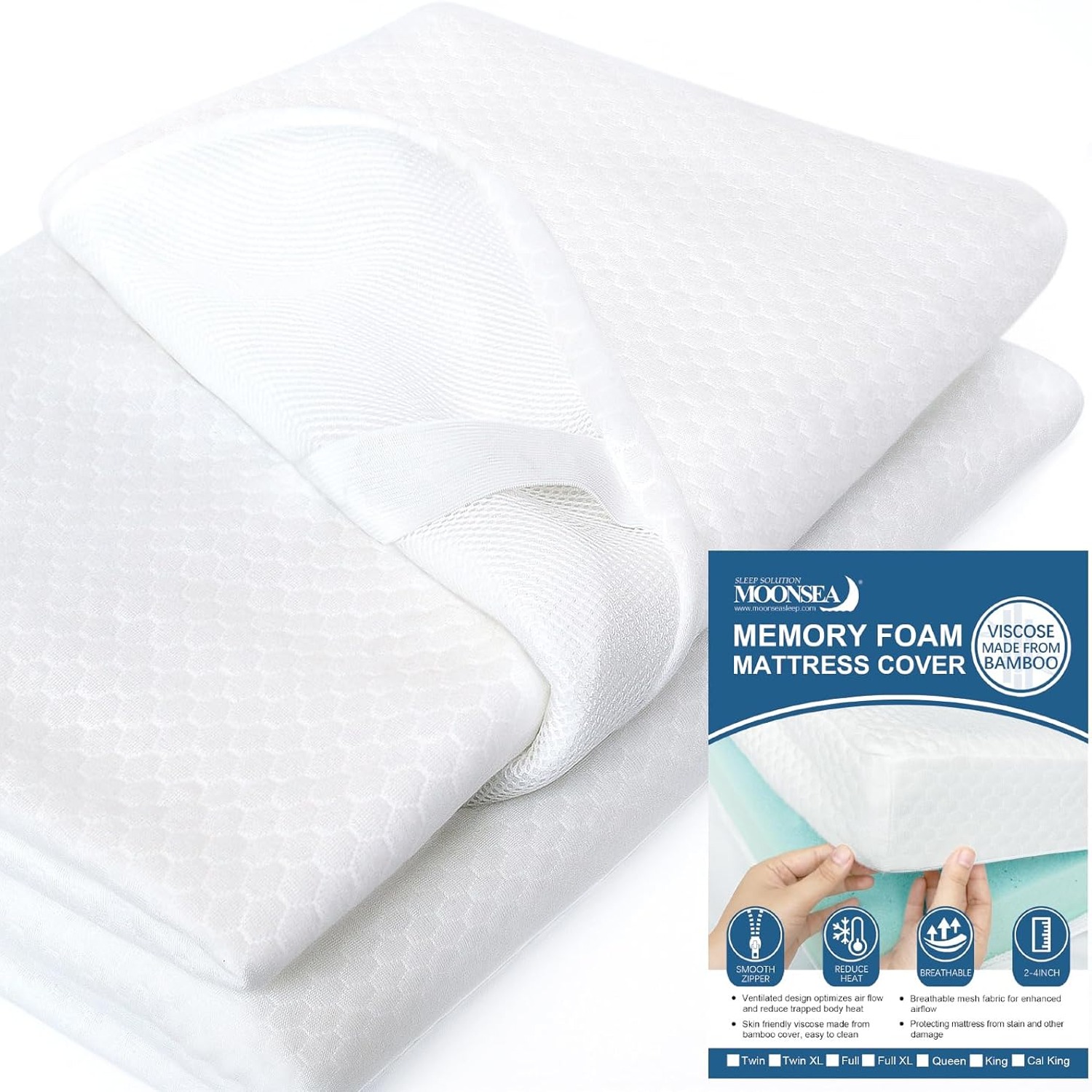
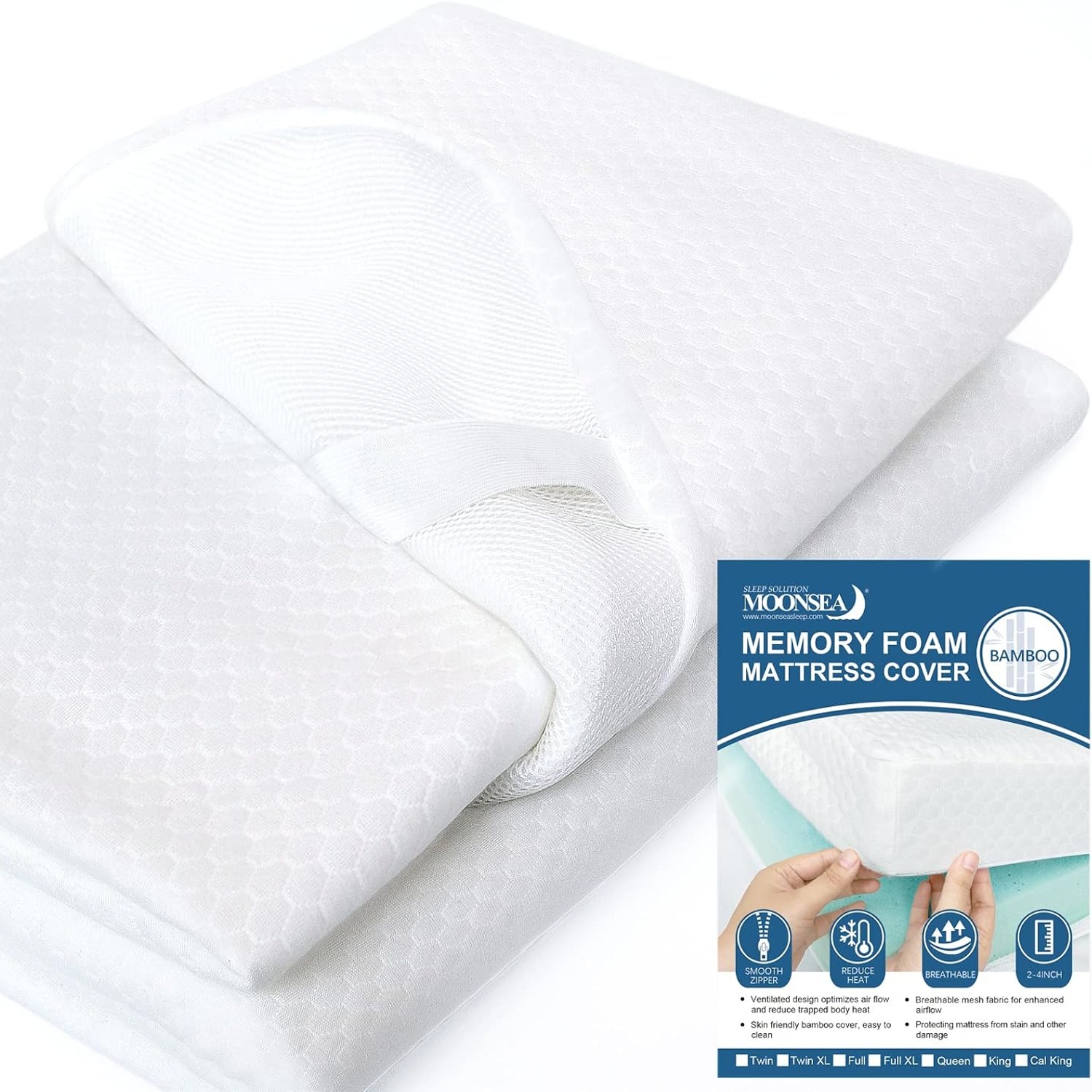
The design here is simple. The cover is a fabric box with a zip running around it, sized to wrap a queen topper of roughly 3 to 4 inches thick. You unzip it, slide the topper in, and zip it closed. The topper is then enclosed on all sides rather than just draped over.
That full enclosure matters more than it sounds. A half cover or a stretch sleeve leaves the sides and base exposed, which is where dust gathers and where foam edges tend to crumble over time. Enclosing the whole thing protects the material and keeps the shape tidy.
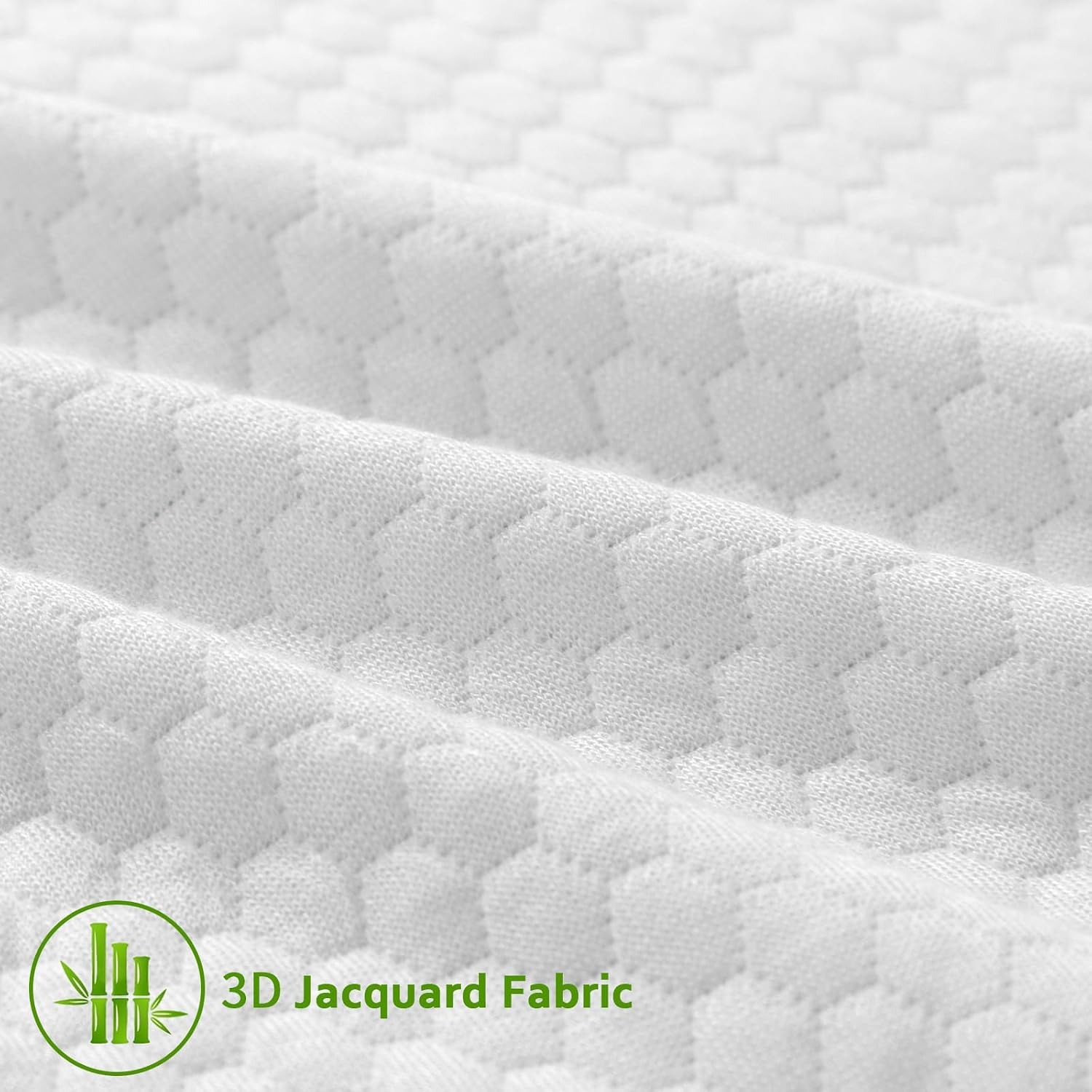
The top panel is where you feel the difference. It is a jacquard woven from 40% viscose made from bamboo and 60% polyester. Viscose from bamboo is known for a smooth, slightly cool hand feel, and the jacquard weave gives it texture instead of the flat, papery look of a cheap cover. The polyester content is there for durability, because a cover you wash every month needs to survive the machine.
Underneath, there is a 3D mesh backing with ventilated holes. Two things are happening there. The mesh grips the mattress surface so the topper does not slide, and the holes let air circulate rather than trapping heat and moisture between the topper and the mattress. Anyone who has lifted a topper after a humid night knows how damp that interface can get.
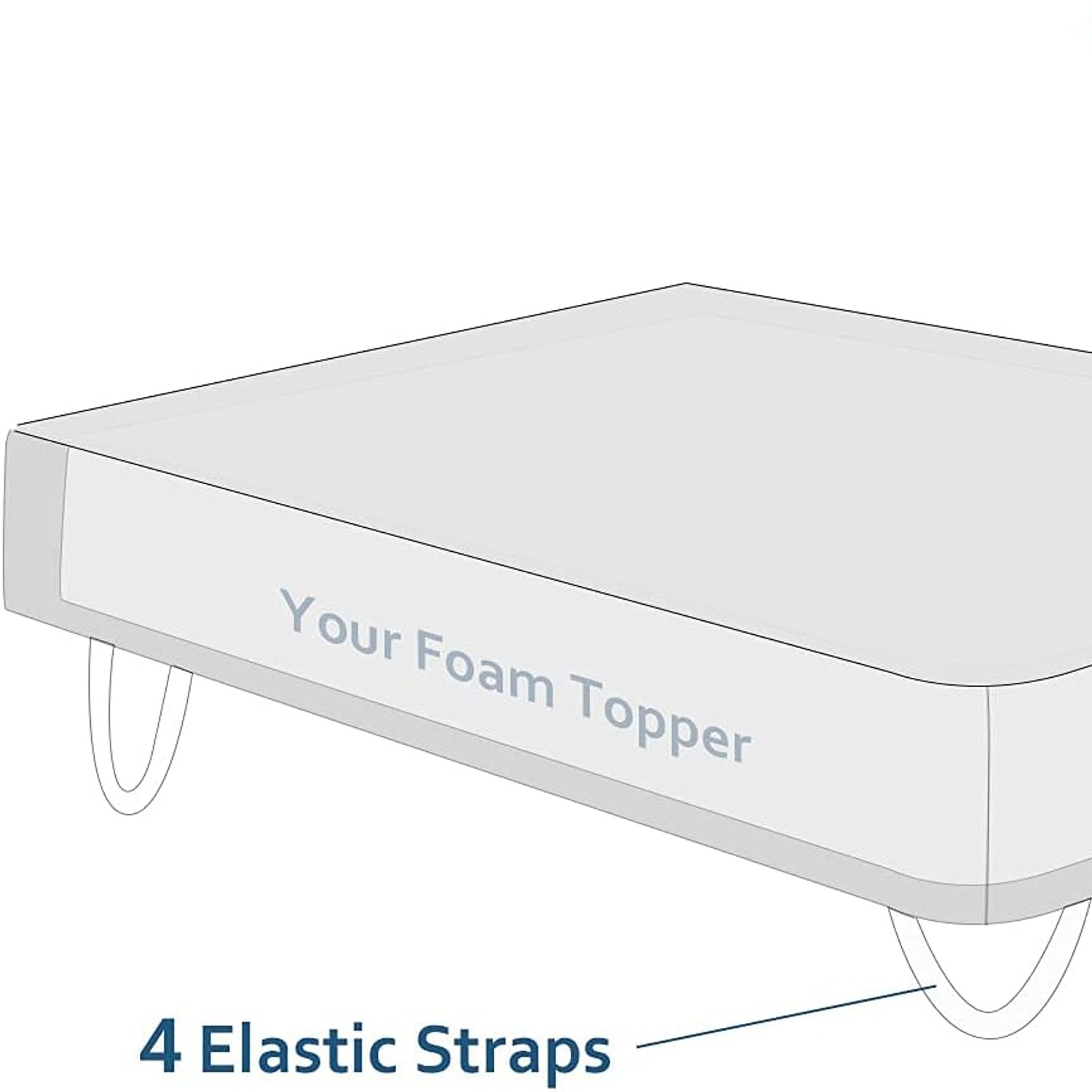
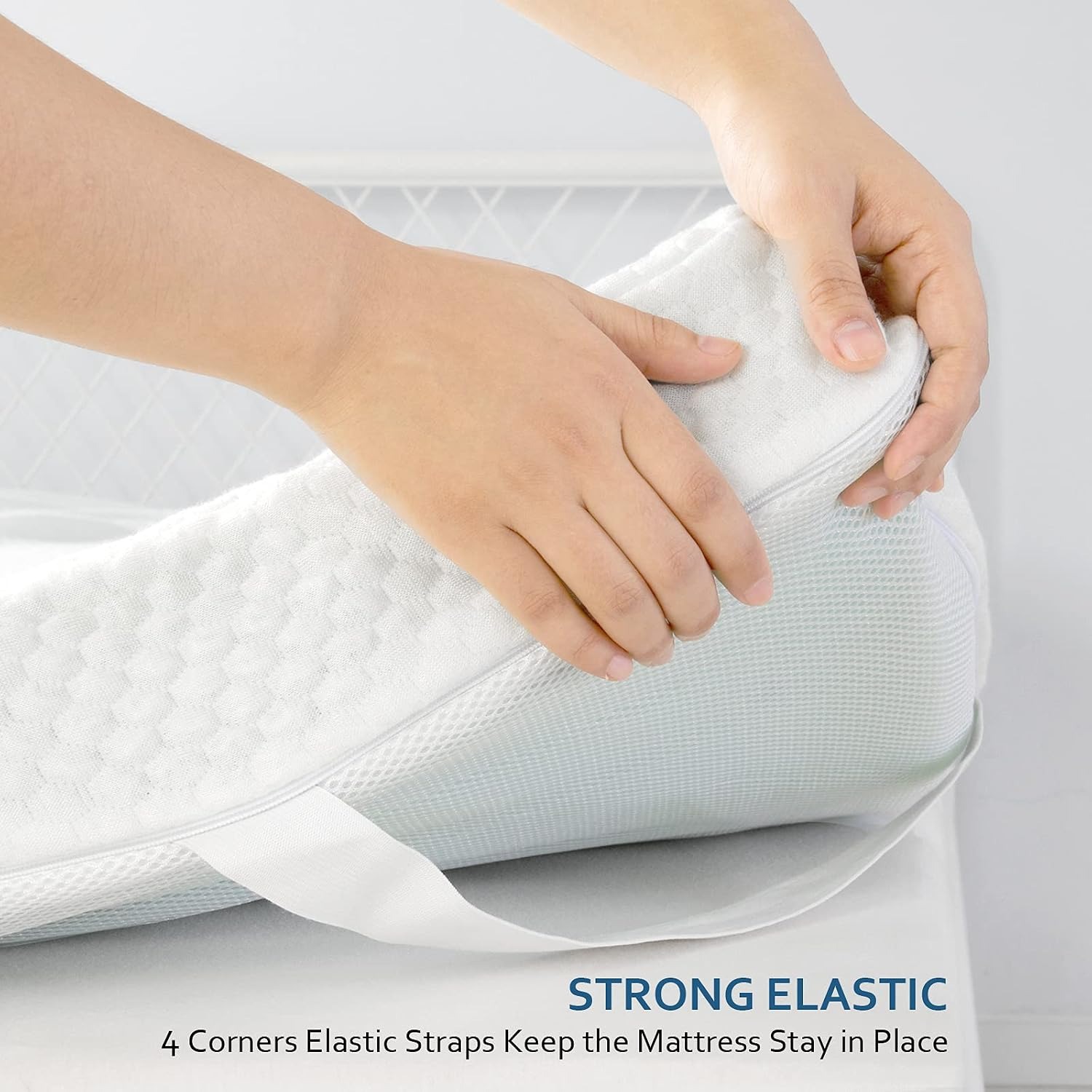
Then there are the four elastic straps. They hook around the mattress corners and pull the whole assembly tight. Between the straps and the mesh, the topper has very little reason to wander.
The zip is a YKK. That is worth noting because the zip is the part most likely to fail on a cover like this. A zip that runs the full perimeter of a queen bed is long, and it gets opened and closed every time you wash. A quality slider makes the difference between a cover that lasts and one that splits in year two.
Who this suits
The obvious buyer is someone who already owns a queen topper and wants to freshen it up. That is the core use. You spend a fraction of the price of a new topper and get back a surface that feels clean.
It also suits anyone who is tired of chasing a sliding topper. If you have a slippery mattress surface, or you move a lot in your sleep, or you share the bed with someone who does, the straps and grip base are the main attraction.
Guest rooms and short-term rentals are another good fit. Being able to strip the cover between stays, wash it and put it back is far more practical than trying to spot clean foam. Most foam toppers cannot be washed at all, so the cover becomes the only thing you can actually launder.
Households with allergies get something out of it too. Regular washing is the most effective way to keep dust levels down on a bed, and a removable cover makes regular washing possible. Just be clear about what it is: a hygiene layer you can clean often, not a sealed allergen barrier.
It is less useful if you need spill protection. The specification lists it as not water resistant, so liquids will go through. If that is your priority, keep this cover for comfort and add a dedicated waterproof protector on top of it.
Getting the size right
Measurement is the one thing worth doing properly before you order, and it takes two minutes.
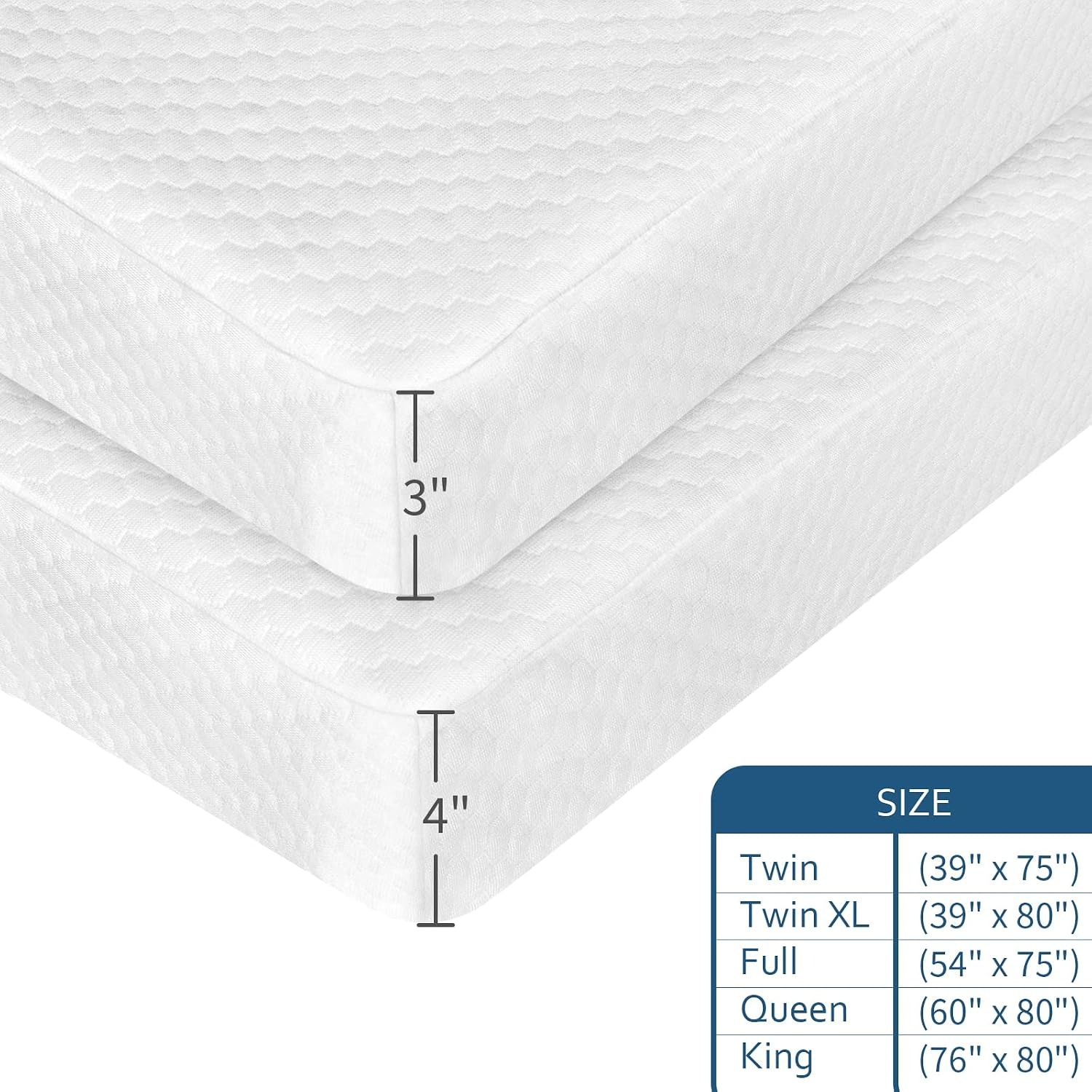
You need three numbers: the length and width of your topper, and its thickness. A queen topper is generally 60 by 80 inches, but toppers do vary slightly between makers, and some are cut a touch under. Thickness is the number people forget. This cover is built for roughly 3 to 4 inches.
If your topper is thinner than that, say 2 inches, the cover will fit but it will wrinkle, and wrinkles under a sheet are annoying. If it is noticeably thicker, say 5 inches, you will struggle to close the zip and you will be putting constant tension on the seams. Neither situation is a disaster, but both are avoidable.
Also think about your sheets. Adding 3 or 4 inches of topper to a mattress that is already deep can push you past the limit of a standard fitted sheet. Deep-pocket sheets are cheap and solve it immediately. There is no point having the best mattress topper cover on the bed if your sheet pings off the corner at 2am.
Fitting it without a struggle
Do this on the bed, not the floor. Lay the cover out flat and fully unzipped. Fold the topper in half and place it on the open cover, then unfold it down into place.
Work the corners in one at a time. Foam and latex both want to catch on the fabric, so a slow, deliberate approach beats brute force. Once all four corners are seated, run the zip around steadily and keep the fabric clear of the teeth as you go.
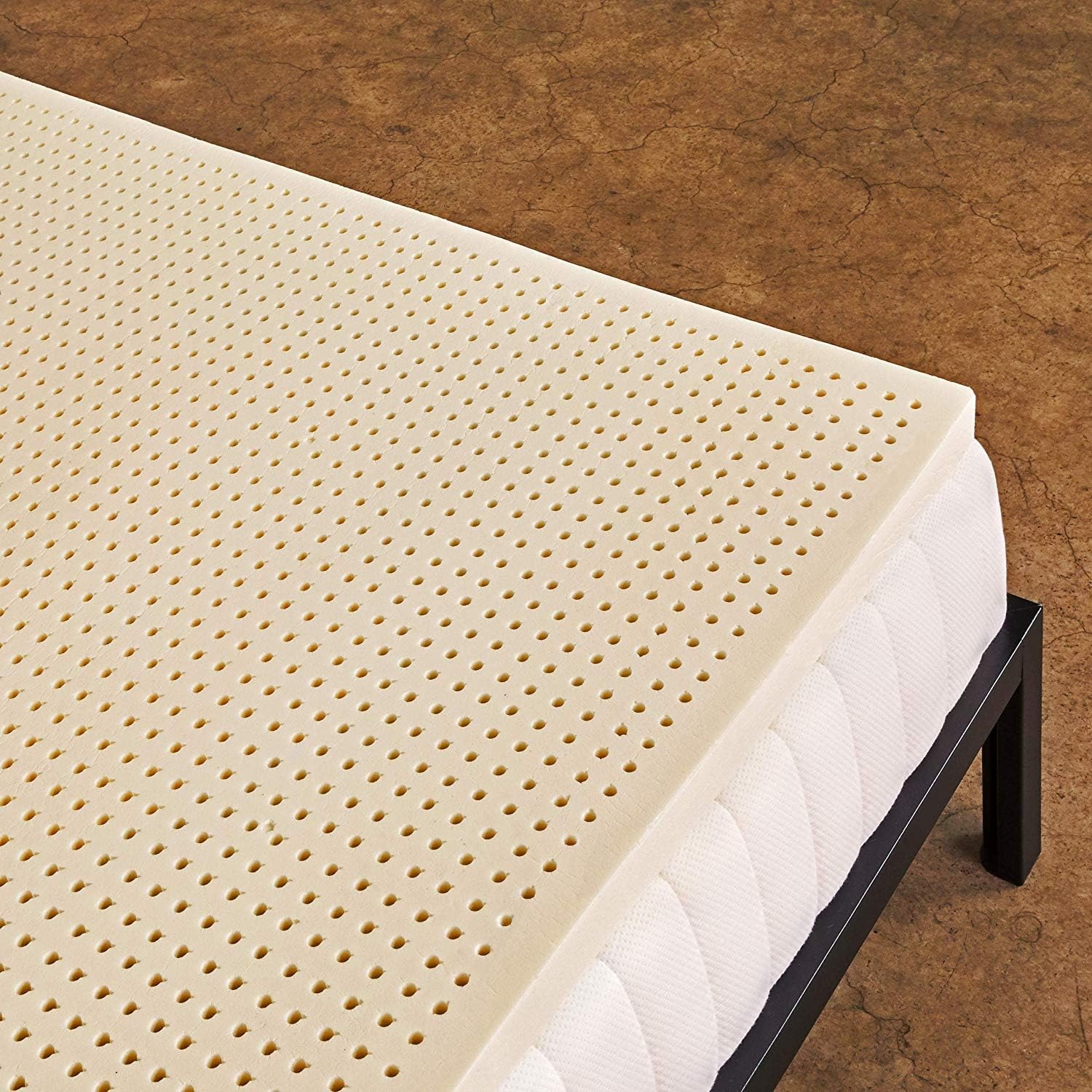
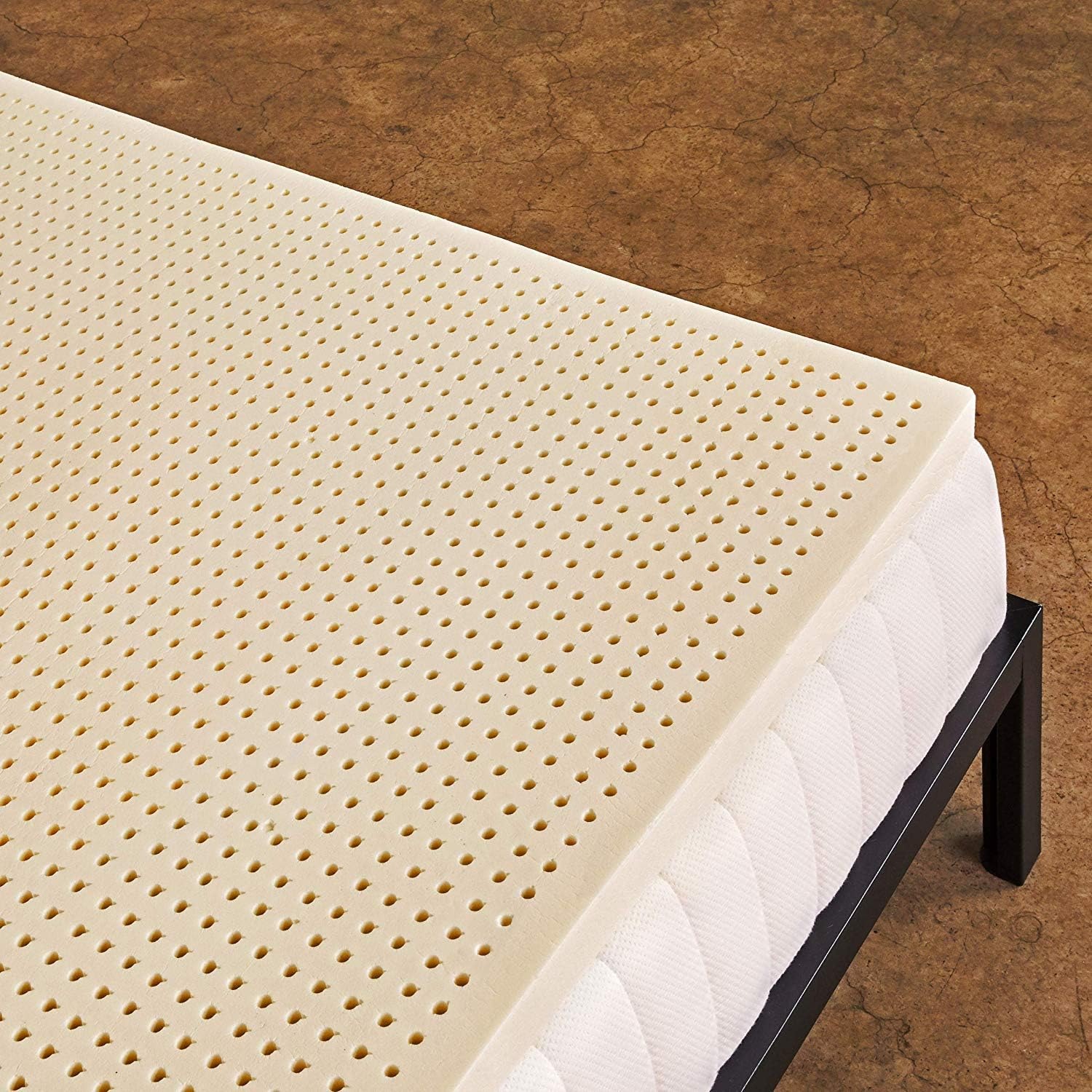
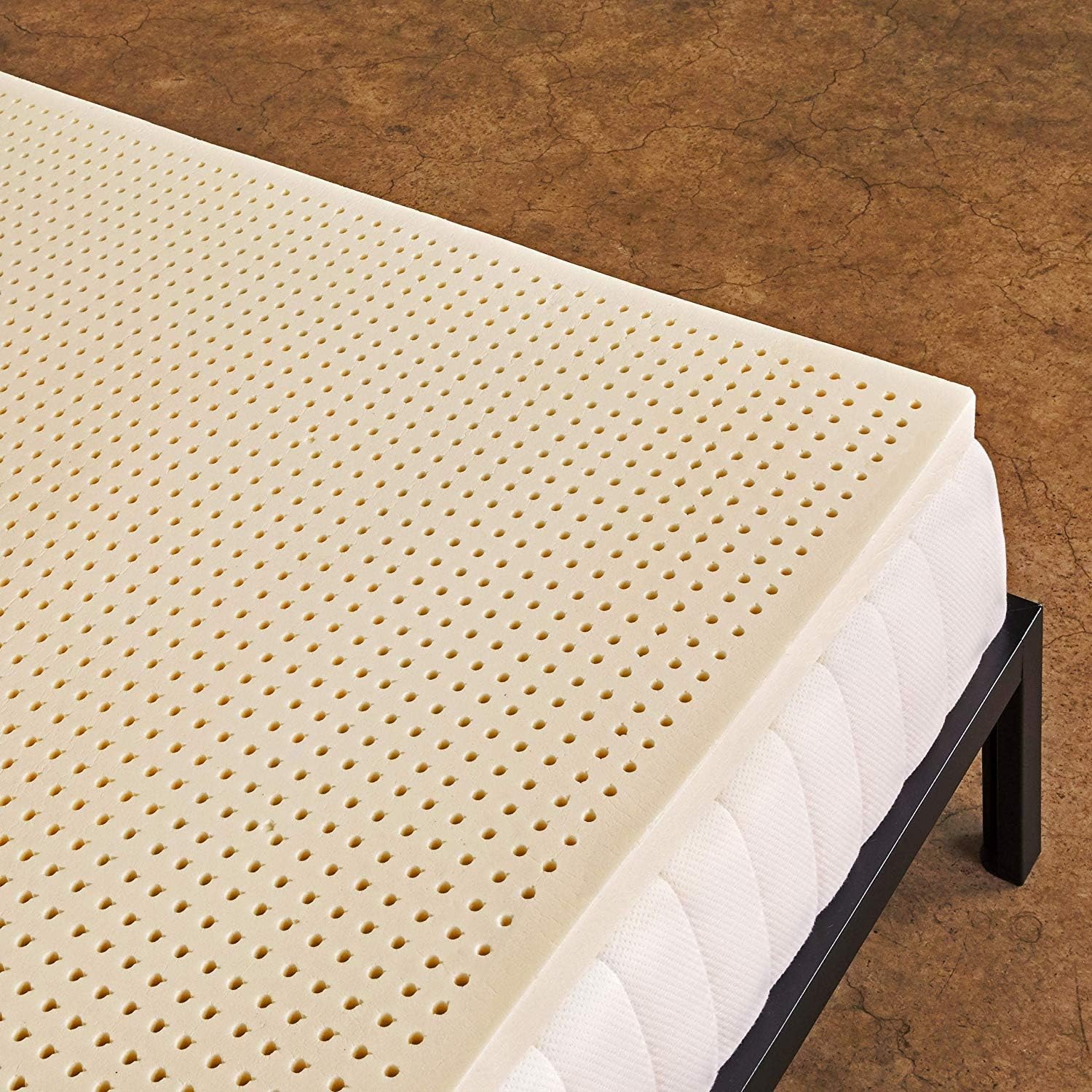
Latex is heavier than memory foam, so if you are covering a latex topper, rolling rather than lifting is kinder on your back. Once the cover is on, hook the four elastic straps around the mattress corners and pull them even. Then your fitted sheet goes over the top.
Keeping it clean
Washing is straightforward. Unzip, take the topper out and set it aside, then close the zip before the cover goes in the machine. Closing the zip stops the slider snagging other items and stops it bending out of shape in the drum.
Use a gentle cycle, cool or warm water, and a mild detergent. Skip the bleach, which attacks the fibers, and skip the fabric softener, which coats the surface and cuts down the breathability you paid for.
Dry on low heat or hang it out. High heat is what causes shrinkage in blends like this, and a cover that has shrunk even slightly becomes a wrestling match to refit. Putting it back on while the fabric is still a little relaxed makes the job easier.
Every month or two is a sensible washing rhythm for most people. Increase that if you sweat heavily, if pets share the bed, or during pollen season.
The short version
If you own a queen topper that has lost its freshness or refuses to stay put, this cover handles both. You get a breathable viscose and polyester jacquard surface, a full YKK zip, four corner straps and a non-slip mesh base, all of it machine washable.
Remember that the topper is not included, check that yours sits in the 3 to 4 inch range, and keep in mind that it is not water resistant. Get those three things straight and it is a cheap, sensible way to make an existing bed feel properly clean again.