
The complete guide
How to Choose a Soft Organic Latex Pillow
The problem with the pillow you are probably using
Think about how your current pillow started out. Plump, even, nice to sink into. Now think about how it is tonight. Most likely there is a hollow where your head goes, a lump off to one side, and a routine where you punch it back into shape before you can settle.
That is not bad luck. It is what polyester fiber and cheap shredded fills do. They compress, and once the fibers pack down they do not come back. Memory foam has a different problem. It softens with body heat and holds the dent, which feels supportive for the first hour and then feels like sleeping in a mold of your own head.
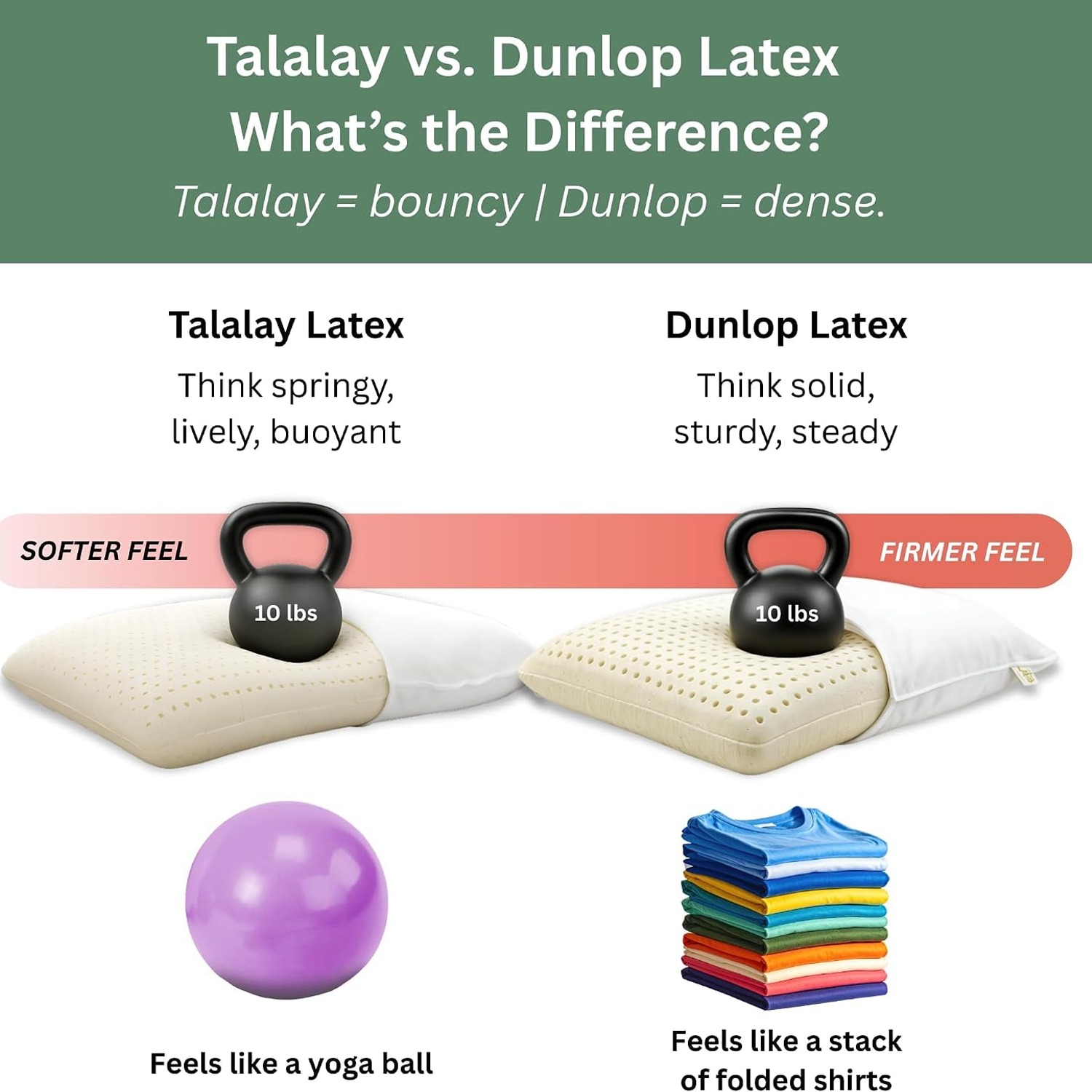
Natural latex behaves differently. It is an elastic material, so it compresses under load and springs straight back when the load comes off. You get give without collapse. That single property is the reason people who switch to latex rarely switch back, and it is the main argument for paying more up front for the best organic latex pillow you can justify.
What is actually inside this one
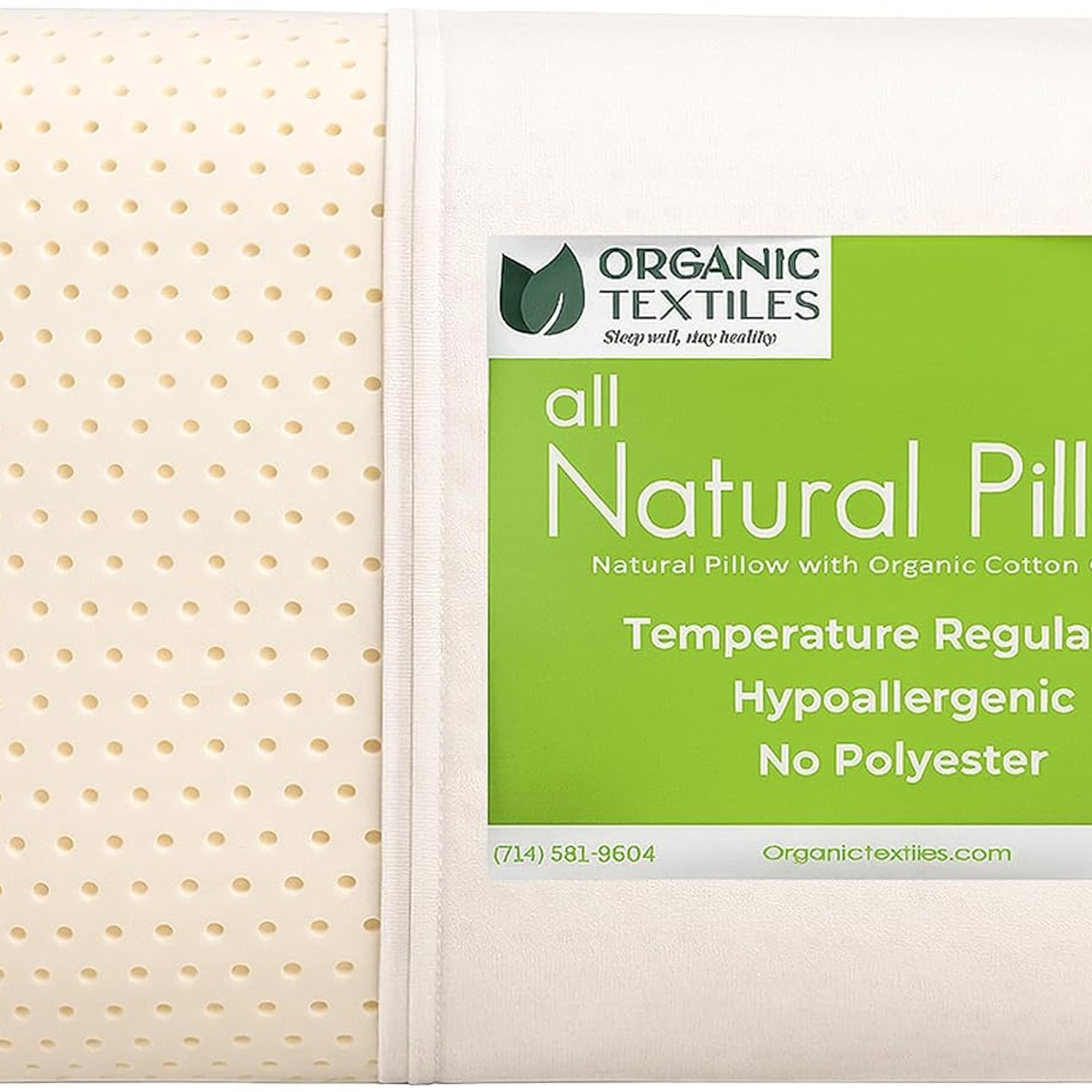
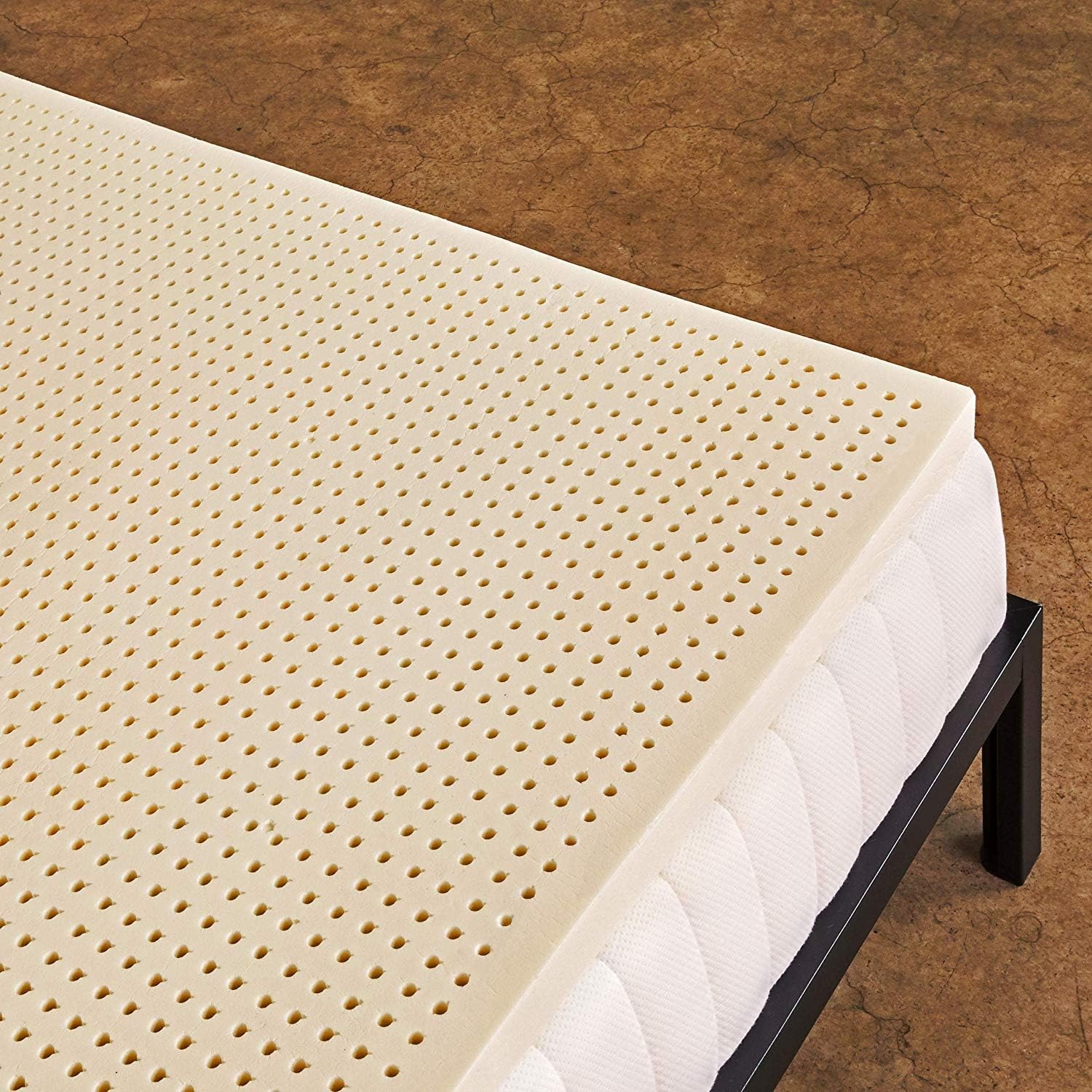
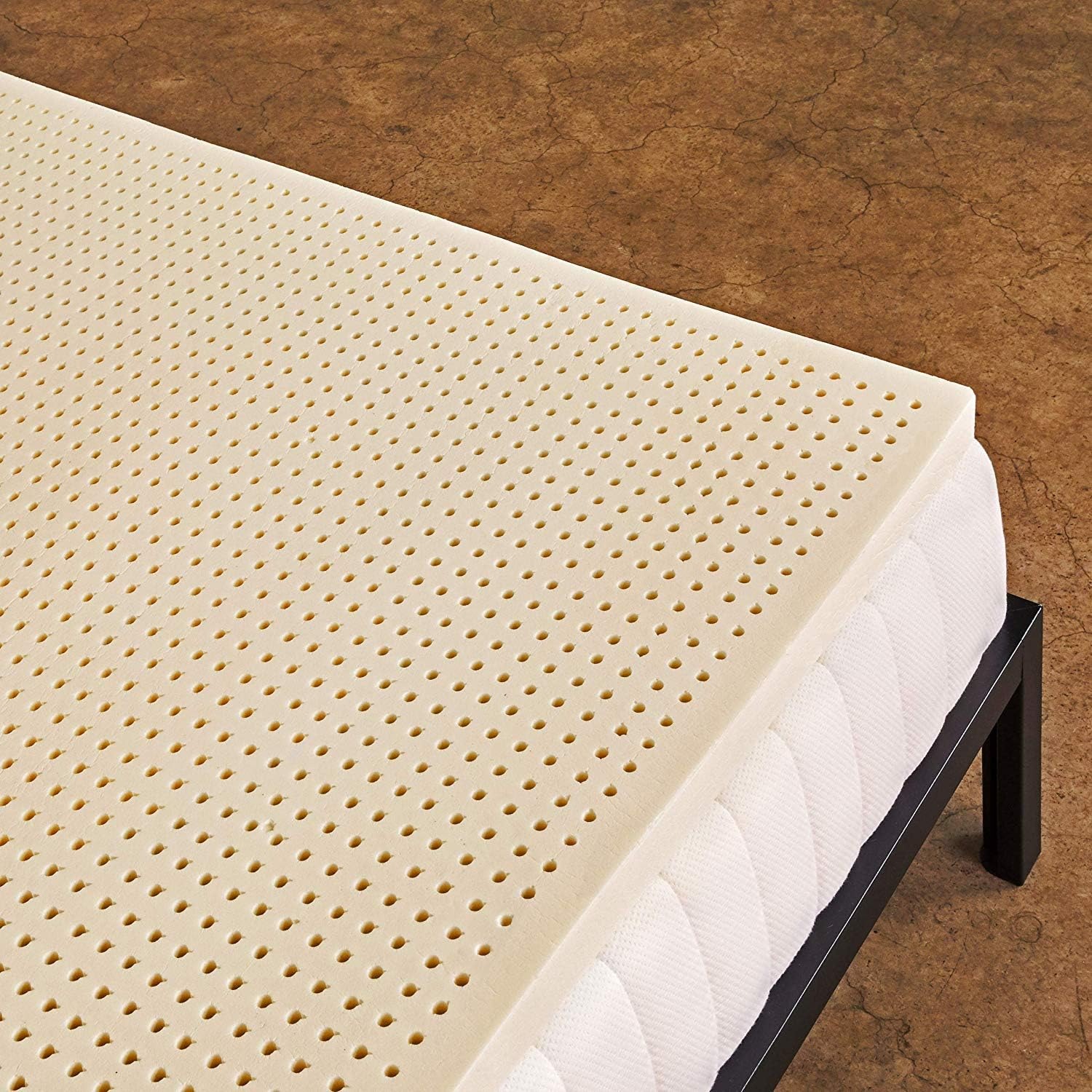
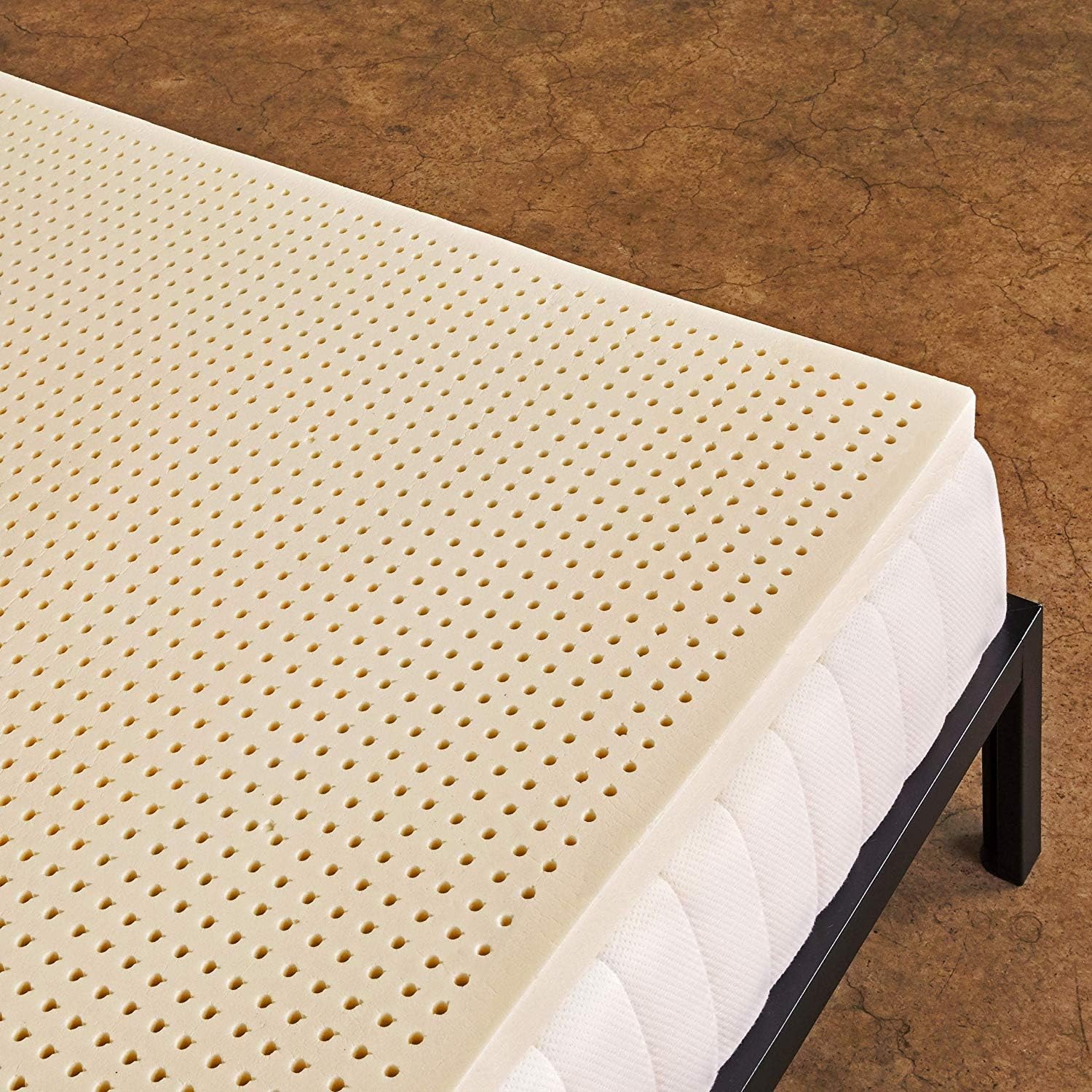
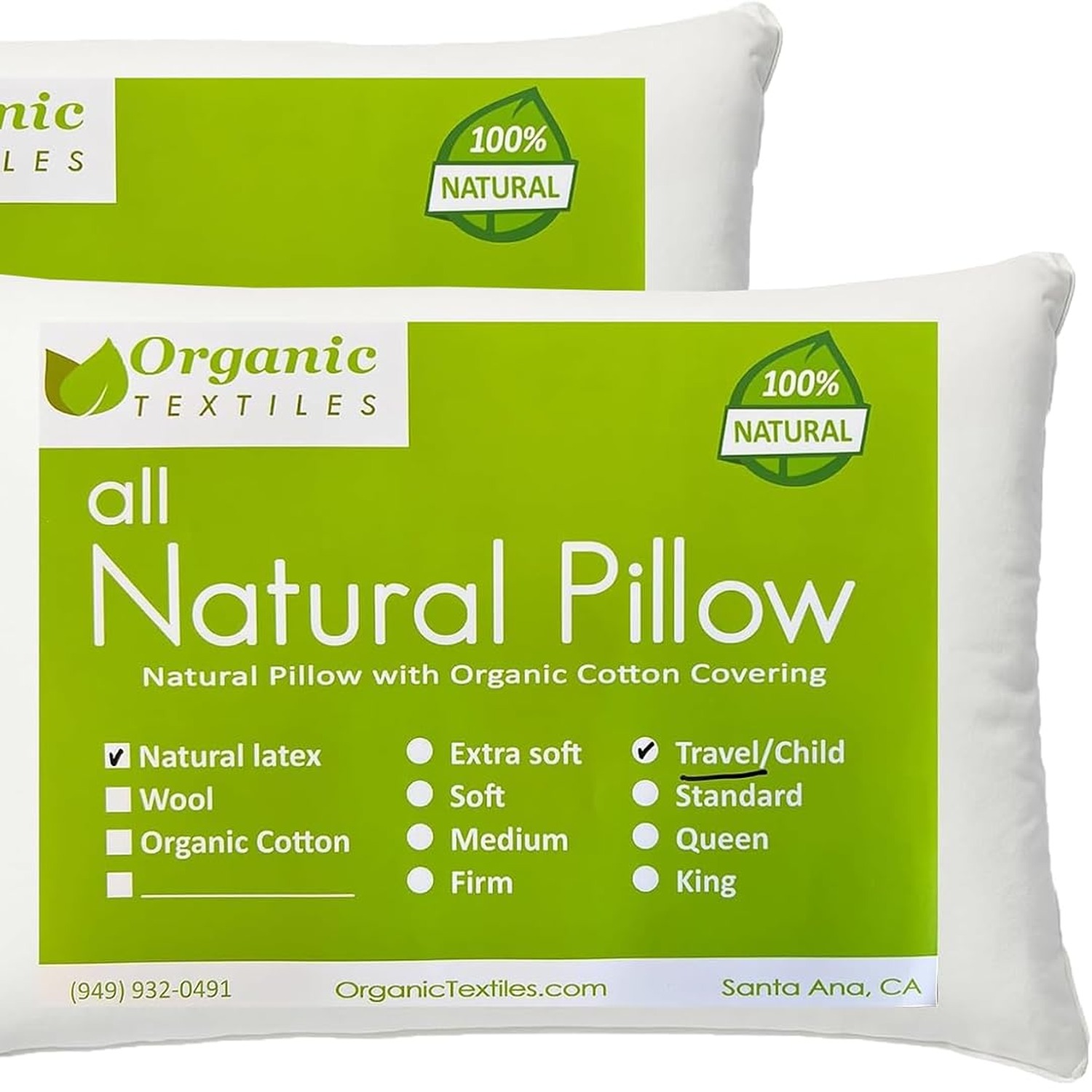
The core here is 100% natural latex, molded as a single piece rather than shredded and stuffed. Running through it are pin holes, small channels that go through the latex to let air move. Those holes do two jobs. They stop heat and humidity building up under your head, and they make the latex a touch more yielding, which adds to the soft, cradling feel.
Over the core sits a cover made from GOTS certified organic cotton with a 350 thread count. GOTS is the Global Organic Textile Standard, and it covers both the organic fiber content and the way the fabric is processed. The cover closes with a zipper, so it comes off completely for washing. That is a small detail with a big effect, because a pillow you can actually clean lasts longer and stays fresher.
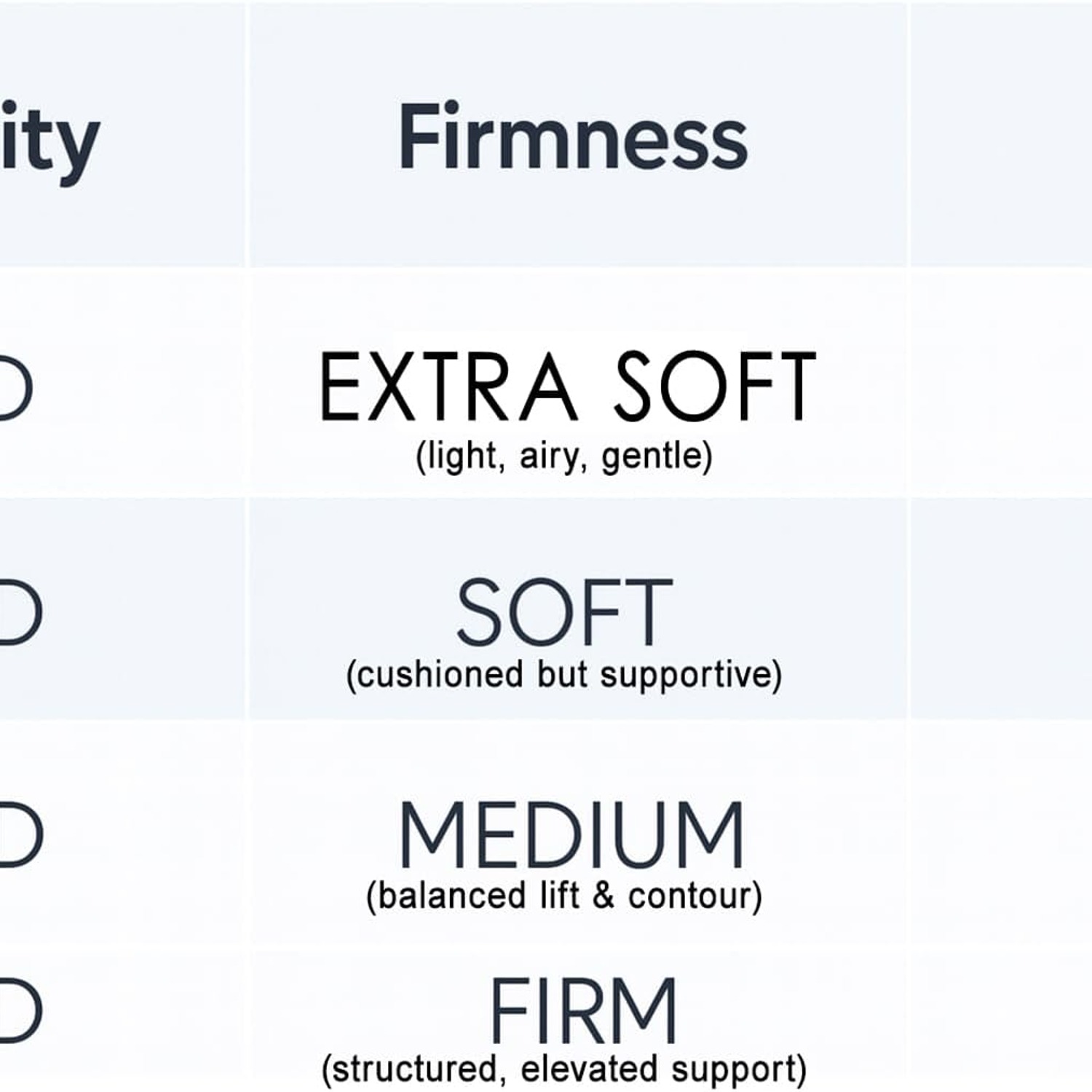
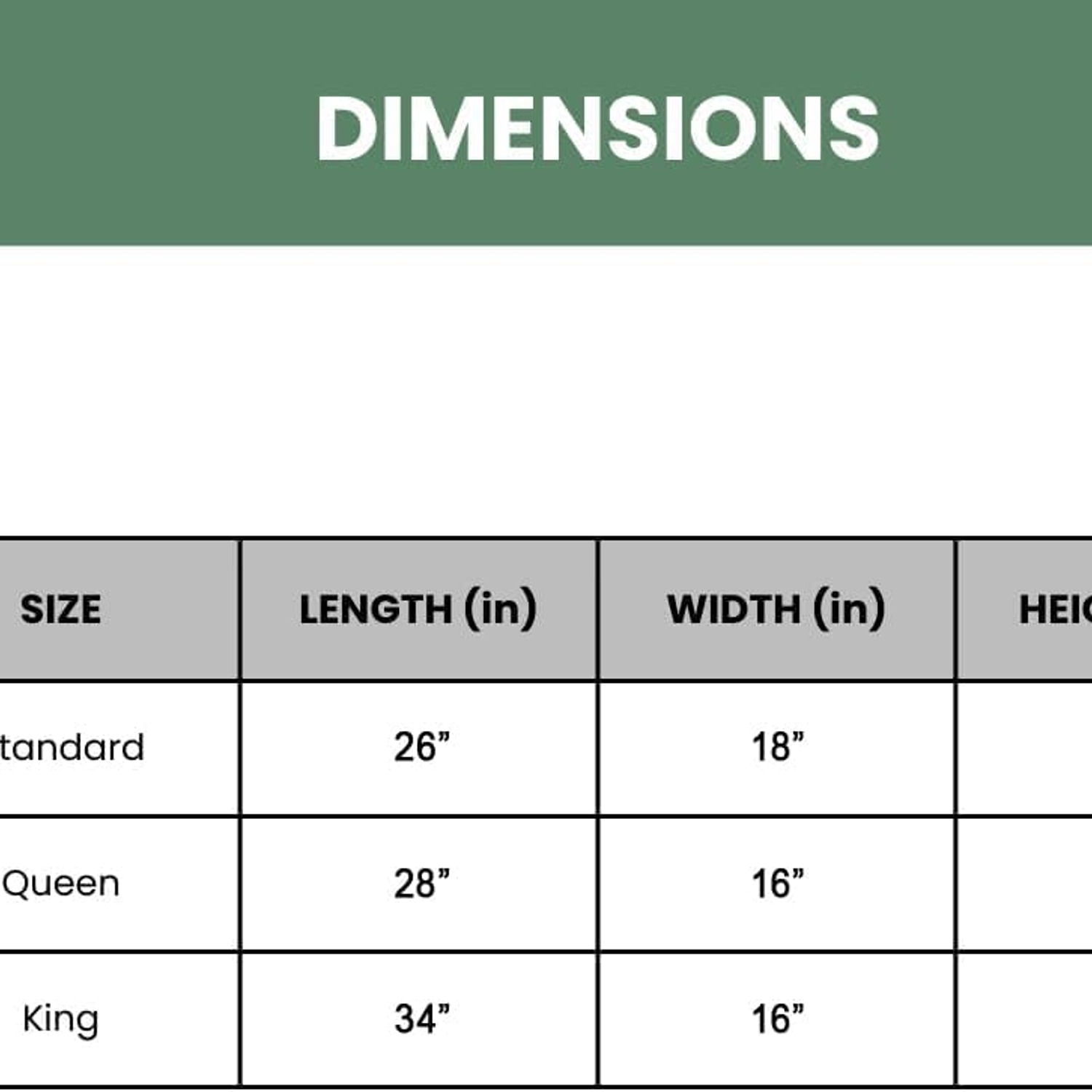
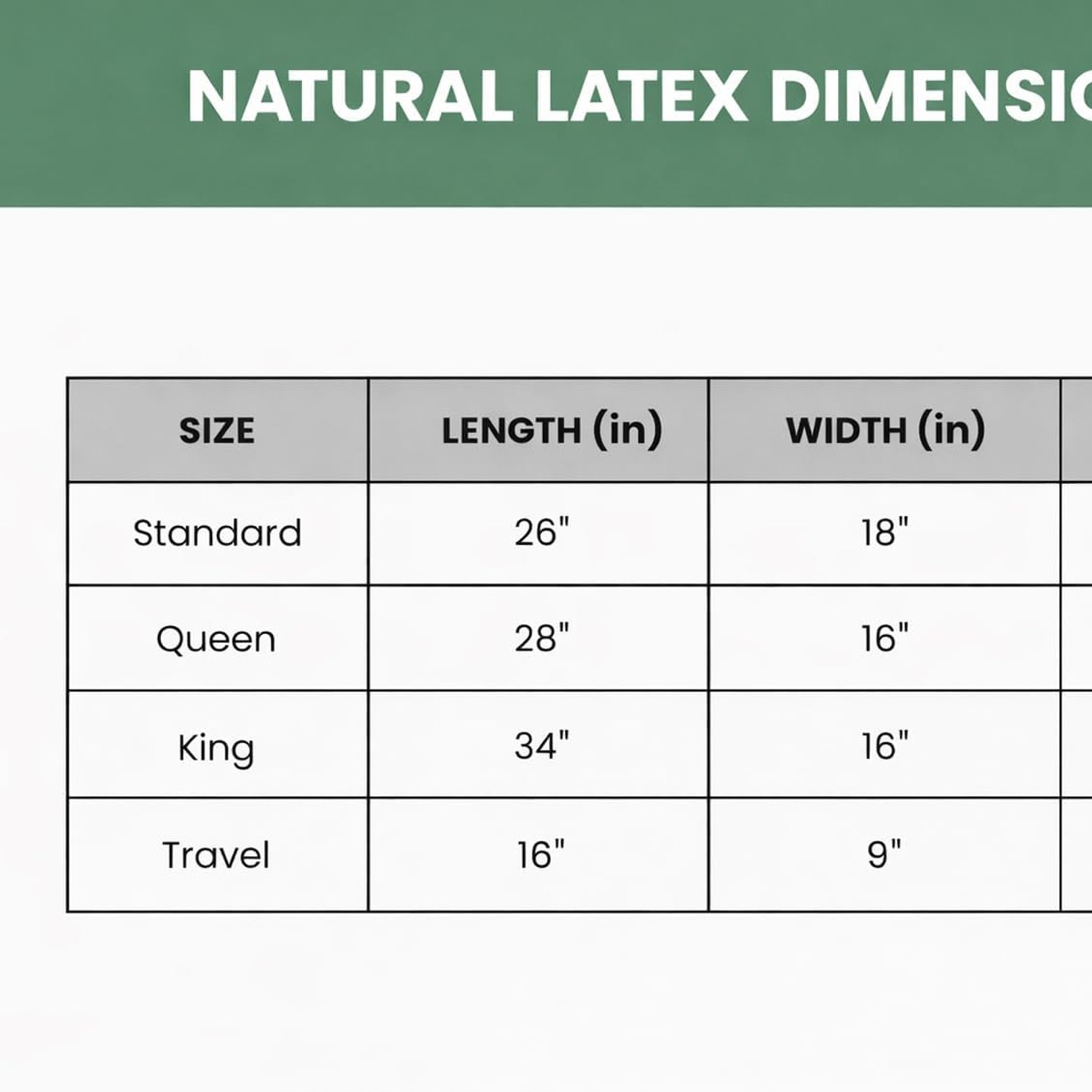
The dimensions are standard size, 26 inches long by 16 inches wide, with a 5 inch thickness. The firmness is soft, which in this range sits below medium and firm. Color is natural, pattern is plain, and it ships as a single pillow.
Why firmness matters more than brand
Pillow shopping goes wrong when people buy by reputation instead of by feel. The right firmness depends on two things: how you sleep, and how much space there is between your head and the mattress in that position.
Side sleepers have the biggest gap to fill, because your shoulder lifts your head well off the bed. They usually need more loft and more support. A soft pillow can still work for a side sleeper, especially someone with narrower shoulders or a softer mattress that lets the shoulder sink in, and that is why the best soft pillow for side sleepers is usually one with latex underneath rather than loose fill.
Back sleepers need less. The gap behind the neck is small, and too much loft pushes the chin toward the chest, which strains the neck and squeezes the airway. A soft 5 inch latex pillow compresses down to something sensible and holds the natural curve.
Stomach sleepers need the least of all. Anything tall twists the neck sideways and upward. Soft is almost always the right answer here, which is why this firmness gets recommended for that position when firmer pillows do not.
If you move around through the night, and most people do, a soft latex pillow is a reasonable compromise. It yields enough for the stomach stretch and recovers enough for the side stretch.
Heat, airflow and why latex helps
A lot of sleep complaints are really temperature complaints. You wake at 3am, flip the pillow for the cool side, and settle again. The cool side trick only works because the fill has been holding your heat.
Solid foam is the worst offender because it is dense and closed. Natural latex is naturally more open, and when you mold ventilation holes through it you get actual air movement rather than just a claim. Add a cotton face instead of a polyester one and the moisture from your skin has somewhere to go. That combination is what people are really after when they search for the best cooling latex pillow or the best breathable bed pillow.
It is not magic. A hot bedroom is still a hot bedroom. But the pillow stops being the thing that makes it worse.
Allergies and what the certification covers
Hypoallergenic is listed among this pillow's material features. Dust mites, which cause most pillow-related allergy trouble, need two things: warmth and a food source of skin cells. Dense natural latex is a poor home for them compared with loose fiber fill, and a cover you can wash regularly removes the food.
The GOTS mark on the cover is about the cotton, not the latex. It tells you the fiber is certified organic and processed to a defined standard. For people who react to synthetic fabric finishes, or who simply want fewer processing chemicals near their face for eight hours a night, that is the reassurance they are paying for.
One warning worth repeating. If you have a diagnosed natural latex allergy, this is not the pillow for you. The core material is natural latex and no cover changes that. Talk to your doctor.
Looking after it
Latex care is simple once you know the three enemies: water, heat and sunlight.
The cover unzips and goes in the washing machine per its care label. Do that every few weeks, more often in summer. Use a pillowcase over the top and the cover stays clean much longer.
The latex core never goes in the machine or the dryer. If something spills, blot it dry, spot clean with a barely damp cloth and a little mild soap, then let it air dry completely in a shaded spot with good airflow. Do not park it on a radiator or in a sunny window, because UV and heat break latex down over time.
When you first unbox it, give it a day or two uncovered in a ventilated room. Natural latex often has a mild, faintly milky smell when new. It fades on its own.
For storage, keep it flat, cool and dry. Avoid long spells sealed in plastic.
Is it worth the money
A good latex pillow costs several times what a supermarket fiber pillow costs. The honest comparison is not price against price, it is price against lifespan. Fiber pillows are usually finished within a year or two. Latex is described here as durable and long lasting, built to keep its support rather than sag, and in practice people get years out of them.
There is also the quality of the sleep in between. A pillow that holds the same shape at 6am as it did at 11pm means fewer wake-ups, less fiddling and less neck stiffness in the morning. That is the part you notice.
The short version
This is a soft, standard size bed pillow with a 100% natural latex core and a removable, washable GOTS certified organic cotton cover at 350 thread count. It is 26 by 16 inches and 5 inches thick, pin-hole ventilated for airflow, and recommended for side, back, stomach and multi-position sleepers.
Pick it if you want something plush rather than propped, you sleep on your front or back, or you have been let down by pillows that go flat. Look at a firmer version instead if you are a broad-shouldered side sleeper or you like a solid, high pillow. And skip natural latex entirely if you are allergic to it.